
 五度妙笔
五度妙笔 企业透视镜
企业透视镜 API商城
API商城
 数据库
数据库【船员健康】在船突发烧烫伤?急救要点速记丨海员之家


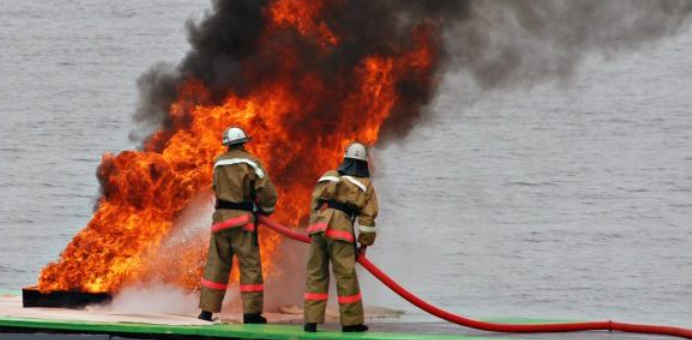
海员在操作高温管道、蒸汽及明火作业时需格外谨慎,谨防烧烫伤事故。
烧烫伤是由湿热、电流或化学物质造成的皮肤损伤;
各类烧烫伤的基础处置方式一致,且伤者的疼痛感强弱,未必与伤情严重程度成正比。
即使是重度烧烫伤,伤者也可能痛感轻微。
▲图源:网络,侵权必删
烧烫伤伤情分级
判断烧烫伤伤情,需评估创面侵入皮肤的深度,以及受损皮肤的面积大小。
一度烧烫伤:仅损伤皮肤表层。
护理恢复期 3 至 7 天,一般不留疤痕。
症状表现:皮肤发红,按压后褪色;轻微肿胀,伴随触痛与疼痛感。
二度烧烫伤:损伤皮肤深层组织。
恢复期 7 至 20 天,通常无疤痕残留。
症状表现:患处疼痛,按压或吹风时痛感加剧;皮肤泛红,受压后创面发白。
三度烧烫伤:损伤皮下真皮层。
愈合需数周至数月,且大概率遗留严重疤痕。
症状表现:因神经末梢受损,可能出现剧烈疼痛;
创面大面积水泡易破溃,创面渗液或呈蜡质干燥状,颜色发红或苍白,按压无褪色反应。
四度烧烫伤:皮肤全层受损,伤情可深及皮下脂肪、肌肉甚至骨骼。
此类伤情无法自行愈合;
经植皮手术后需数周至数月恢复,必定留下重度疤痕。
急救须知(宜做 & 禁忌)
除轻微浅表烫伤外,所有烧烫伤均需就医处置;
✅ 热力烧烫伤需立即用流动冷水(海水或淡水均可)持续冲洗降温,时长不少于 10 分钟;
✅ 轻柔脱去伤者衣物,若衣物粘连创面,切勿强行撕扯;
✅ 用干净无絮、尺寸大于创面的敷料覆盖伤口,妥善包扎固定;
✅ 创面降温后,将伤者转移至温暖舱室,备好洁净饮用水与换药耗材;
✅ 轻度烧烫伤可给伤者服用对乙酰氨基酚或布洛芬缓解疼痛。
❌ 若自身无法判断处置方式或无施救把握,切勿擅自处理伤者;
❌ 若伤者合并其他外伤,不可在船上自行处理烧烫伤创面。
船舶现场烧烫伤应急处置流程
情况一:伤者留船静养治疗
用肥皂与饮用水轻柔清洗创面;
做好伤者保暖防护:皮肤破损会大幅增加失温风险;
使用无菌剪刀修剪脱落坏死皮肤及破溃水泡;
创面涂抹蜂蜜(可预防感染),先覆盖凡士林纱布,再使用无菌不粘敷料包扎;
敷料外层加垫吸收创面渗液,并用绷带固定包扎。
情况二:伤者等待后送就医
仅需做好伤者保暖工作即可,切勿额外处置;
注意避免被褥粘连烧烫伤创面。
根据伤情轻重,部分轻度烧烫伤可在船上完成护理。
轻微创面需保持洁净,严禁挑破水泡;
中重度烧烫伤必须交由专业医护人员救治。
总而言之,海员在船舶作业中规范穿戴个人防护装备、时刻保持谨慎,才能有效预防或降低烧烫伤风险。
此外,船员遇到烧烫伤病例应及时咨询专业医师意见;
无论伤情轻重,将伤者转运至岸上医疗机构救治均为首要原则。
英文原文
Seafarers should be very cautious when handling hot pipelines, steams and fires to avoid burns and scalds.
Burns and scalds are damage to the skin caused by wet heat, electricity, or chemicals;
both are treated in the same way while the amount of pain that the patient feels isn’t always related to how serious the burn is.
Even a very serious burn may be relatively painless.
Severity of a burn
In a burn injury, it is important to consider how deeply the burn goes into the skin and how extensive the area of skin affected by the burn is.
1st degree: The outer skin layer is affected. The treatment requires three to seven days without scarring. The symptoms are: redness which turns pale on pressure, mild swelling, tenderness and pain.
2nd degree: The deep skin lays is affected. The treatment requires seven to twenty days, usually without scarring.
The symptoms are: pain, tenderness to pressure and to air blown on the skin, redness; the burn area turns pale when pressed.
3rd degree: The under dermis layer is affected. The heal takes weeks to months and the scarring is often severe.
The symptoms are: possibly severe pain, from damage to nerve endings, extensive blisters which burst readily and the burn areas are weeping or waxy, dry, red or pale and not turn pale when pressed.
4th degree: The entire thickness of skin is affected;
it may extend to underlying fat, muscle and bone. The burn is untreated;
with skin grafting, it will heal within weeks to months and scarring is always severe.
Dos & Don’ts
Seek medical advice in all cases expect for small superficial burns.
Cool the heat burns as quickly as possible with cold running water (sea or fresh) for at least 10 minutes
Try to remove clothing gently but do not tear off any clothing that adheres to skin.
Cover the burned areas with a dry, non-fluffy dressing larger than the burns, and bandage in place.
After cooling the burn, remove the patient to a warm cabin with a supply of clean water and dressing material.
For pain relief in a patient with a small burn give paracetamol or ibuprofen.
x Do not treat a patient with a burn if you have any doubts about whether you can or should.
x Do not treat a patient onboard who has any other injury or a burn
Actions to be taken onboard in case of a burn injury
If the patient is going to remain on board
Wash the burn gently with soap and potable water;
Keep the patient warm: loss of skin makes the patient prone to hypothermia;
Use sterile scissors to cut away loose, dead skin, including broken blisters;
Smear the burn with honey (it helps prevent infection) and cover it, first with petroleum gauze, then with a sterile non-adherent dressing
Cover the dressing with padding to absorb fluid leaking from the burn and hold the dressing in place with a suitable bandage
If the patient is awaiting evacuation
Do nothing further except keep the patient warm: take care to prevent blankets from sticking to the burns.
Depending on how serious a burn is, it may be possible to treat it onboard. For minor burns, keep the burn clean and do not burst any blisters that form.
More serious burns require professional medical attention. In general, seafarers can only avoid or lessen such injuries if they are cautious by wearing Person Protective Equipment when doing their work onboard ships.
In addition, crew members onboard should always seek an expert’s advice regarding burns while the transfer of the patient to shore medical facilities should be priority regardless the severity of burn.

免责申明:本文来源外网,若有误差请以英语为准。仅代表作者观点,不代表中国海员之家立场。其真实性及原创性未能得到中国海员之家证实,在此感谢原作者的辛苦创作,如转载涉及版权等问题,请作者与我们联系,我们将在第一时间处理,谢谢!联系邮箱:cnisu@54seaman.com