 五度妙笔
五度妙笔 企业透视镜
企业透视镜 API商城
API商城
 数据库
数据库【检查】PSC 重点关注:2025 年度最常见缺陷丨海员之家


●今日目录 ●
● 【检查】PSC 重点关注:2025 年度最常见缺陷丨海员之家
● 【最新!】海员薪酬指数均有上涨丨海员之家
● 【聚焦】霍尔木兹海峡形成南北 “双通道” 通航新格局丨海员之家
● 【新规!】首部《生态环境法典》通过,海事、船舶、船员必看!丨海员之家
● 【指南】春季海上安全指南,护航每一次平安出行丨海员之家
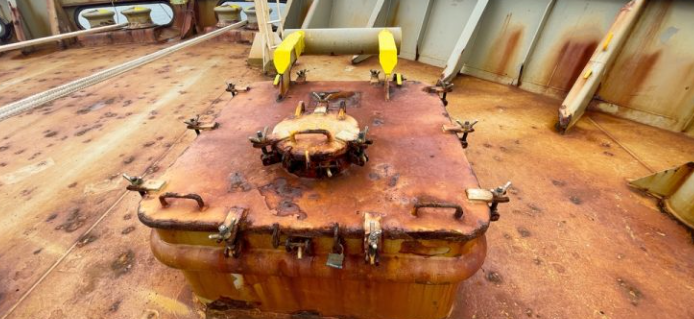
2025 年全年,消防安全规范 07105—— 防火分隔中的防火门 / 开口,在全球所有船型中成为被记录次数最多的缺陷代码。
该缺陷占全球远洋船队报告缺陷总数(157253 项)的 2.57%。
▲图源:网络,侵权必删
该缺陷在 4547 次检查中被发现,占 2025 日历年 75168 次 PSC 检查总数的 6%,并作为可滞留缺陷导致 331 艘船舶被滞留。
具体分布情况如下:
4228 次检查中各出现 1 次,占记录该缺陷 PSC 检查的 99.25%;
32 次检查中各出现 2 次,占记录该缺陷 PSC 检查的 0.75%;
2025 年开展 PSC 检查的 1359 个港口中,有 643 个港口均发现过此项缺陷。
由于港口国监督官员会对船舶所有系统开展评估,以强化安全保障,不同船型的缺陷分布特征存在差异。
散货船、杂货船、油船、液化天然气 / 液化石油气运输船及集装箱船占据船队主体。
其他船型(车辆运输船、近海船舶、滚装客船等)因在全球船队中占比较小,本次未纳入统计;
代码 15150(ISM 规则相关)也未纳入,因其不属于独立缺陷代码。
如表 1 所示,主流船型排名前五的缺陷代码既有共性也存在差异:
07105——防火分隔中的防火门 / 开口在所有船型中均位列前五,也是 2025 日历年最常见缺陷代码。
问题多集中在维护保养方面,包括水密性不佳、把手锈蚀、防火门被固定在开启位置等。
船上开展有效维护,可大幅减少此类缺陷。
11101——救生艇为第二大常见缺陷代码。
救生艇涉及多项技术问题(水密性、发动机、备品、物料清单)与操作问题(降落、测试、标识、演练)。
作为弃船和救援的核心设备,救生艇必须始终保持良好状态。
04103—— 应急照明、蓄电池及开关在五类主流船型中的三类里位列前三。
此类问题较难预判,但制定完善的维护计划与结构化检查周期,可帮助船员及时排查隐患。
2025 日历年,共有 451 项缺陷代码涉及 12017 项可滞留缺陷,最终导致 2569 艘船舶被滞留。
其中最常见的可滞留缺陷为 11101(救生艇),共造成 353 次滞留。
(注:ISM 规则相关代码 15150 仍未纳入统计,该代码曾 686 次被列为可滞留缺陷。)
如表 2 所示,排名前五的可滞留缺陷中,有三项与消防安全直接相关:
07109—— 固定式灭火装置
07106—— 火灾探测与报警系统
07105—— 防火分隔中的防火门 / 开口
尽管全球港口国监督机制已分别于 2012 年、2024 年开展两次消防安全专项集中检查行动,但此类问题仍屡禁不止。
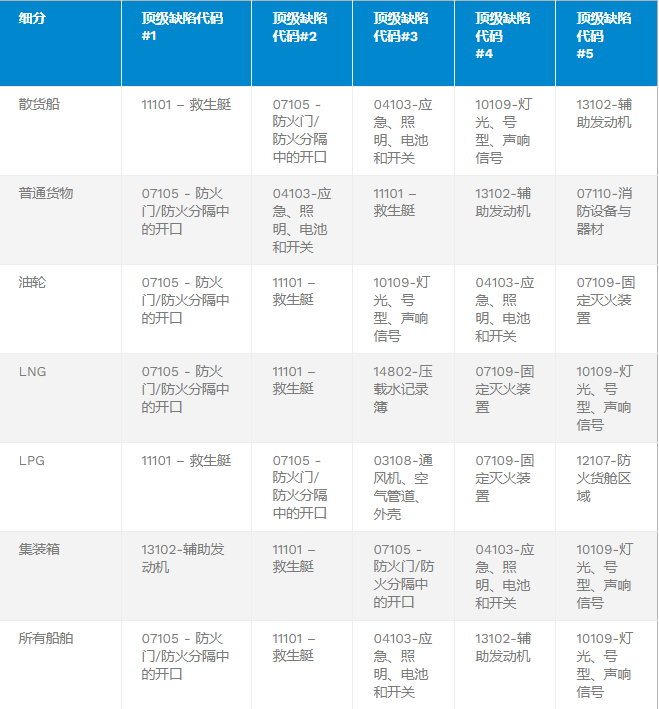
表1:按船舶主要舱段划分的最常见缺陷——来源:RISK4SEA
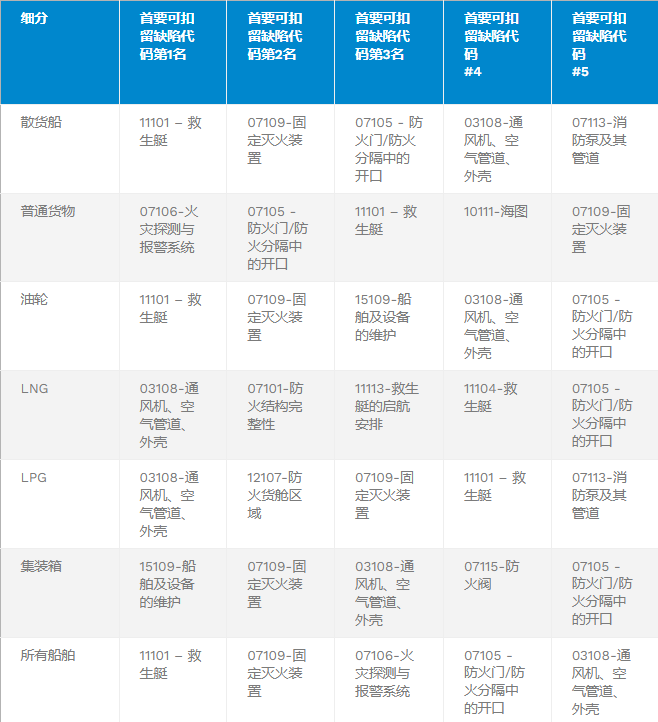
表2:按船舶主要舱段划分的最常见可扣押缺陷——来源:RISK4SEA
如何避免缺陷与船舶滞留
若无完善的数据分析和反馈机制,精准预判缺陷代码难度极大。
2025 日历年,港口国监督官员可使用的 588 项缺陷代码均至少被使用过一次,其中 451 项至少一次被列为可滞留缺陷。
这表明,仅依靠通用准备清单或全球标准代码,往往无法适配所有港口的检查要求。
核心问题依旧是:船舶管理公司或运营方应如何妥善做好船舶准备,避免检查不通过及被滞留?
最有效的方式是基于风险评估、针对特定港口开展专项准备,需综合考量:
该港口针对对应船型的历史缺陷特征;
本船的 PSC 检查历史记录;
管理公司整体 PSC 表现。
结合以上因素,运营方与管理者可制定船舶–港口–公司专属检查清单,依据精准统计分析,对重点适用缺陷代码及准备措施进行优先级排序。
该模式能让船舶针对每个港口的检查做好充分准备,而非依赖笼统的经验判断。
英文原文
During 2025, Fire Safety Code 07105 – Fire doors/openings in fire-resisting divisions was the most frequently recorded deficiency code worldwide across all ship segments. It accounted for 2.57% of the total deficiencies reported for the global ocean-going fleet (157,253 deficiencies).
This code was identified in 4,547 inspections, representing 6% of the 75,168 inspections conducted during CY2025, and it was responsible for 331 detentions as a detainable deficiency.
Specifically, this code appeared:
Once in 4,228 inspections – 99.25% of PSC inspections where this deficiency was recorded.
Twice in 32 inspections – 0.75% of PSC inspections where this deficiency was recorded.
In 643 of the 1,359 ports with PSC inspections during 2025.
Since PSC Officers assess all ship systems to ensure enhanced safety, deficiency profiles vary across ship segments.
Bulk carriers, general cargo ships, tankers, LNG/LPG carriers, and container ships constitute the majority of the fleet.
Other ship types (vehicle carriers, offshore vessels, Ro-Pax, etc.) are excluded due to their relatively small share of the global fleet.
Code 15150 – ISM is also excluded, as it is not considered a standalone deficiency code.
As shown in Table 1, there are both similarities and differences among the top five deficiency codes for the main ship segments:
07105 – Fire doors/openings in fire-resisting divisions is among the top five in all segments and is the most common deficiency code for CY2025.
Most issues relate to maintenance: water tightness, rusted handles, doors blocked in the open position, and similar items. Effective onboard maintenance can significantly reduce findings.
11101 – Lifeboats is the second most common deficiency code.
Lifeboats involve multiple technical issues (water tightness, engines, provisions, inventory) and operational issues (launching, testing, marking, drills).
Lifeboats must always be in excellent condition, as they are the primary means of abandon ship and rescue.
04103 – Emergency lighting, batteries, and switches was among the top three for three out of five segments.
This item is less predictable, but a thorough maintenance plan and structured inspection schedule can help crews stay on top of issues.
During CY2025, there were 451 deficiency codes responsible for 12,017 detainable deficiencies, leading to 2,569 detentions.
The most common detainable deficiency was 11101 – Lifeboats, responsible for 353 detentions.
(Again, Code 15150 – ISM is excluded; it was marked detainable 686 times.)
According to Table 2, three of the top five detainable codes are related to fire safety:
07109 – Fixed fire extinguishing installation
07106 – Fire detection and alarm system
07105 – Fire doors/openings in fire-resisting divisions
Although the global PSC regime conducted two Concentrated Inspection Campaigns (2012, 2024) on fire safety, these issues persist.
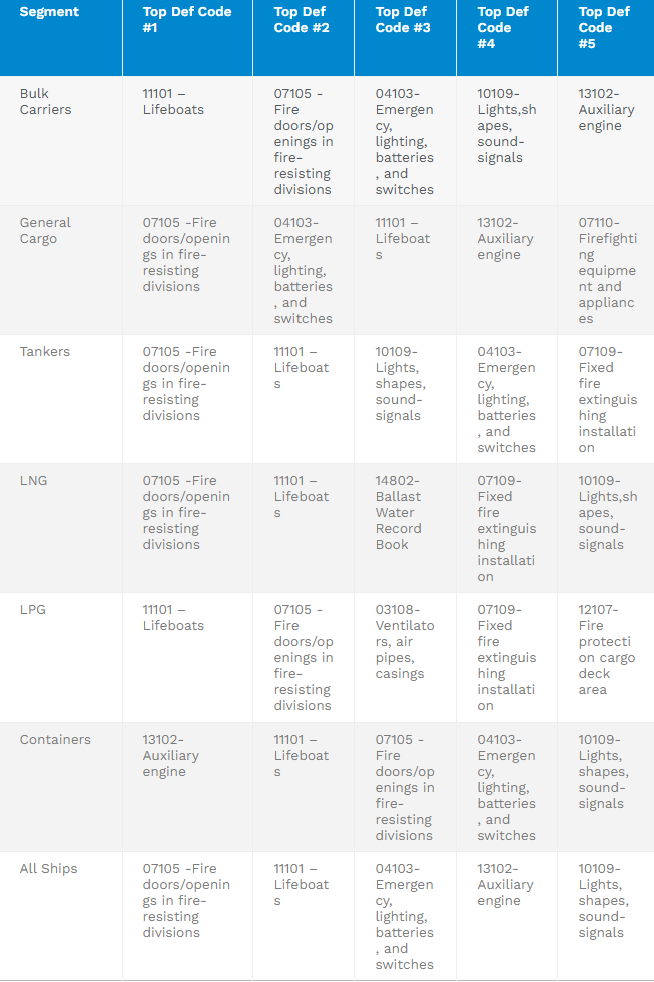
Table 1: Most common deficiencies per Ship main Segment – Source: RISK4SEA
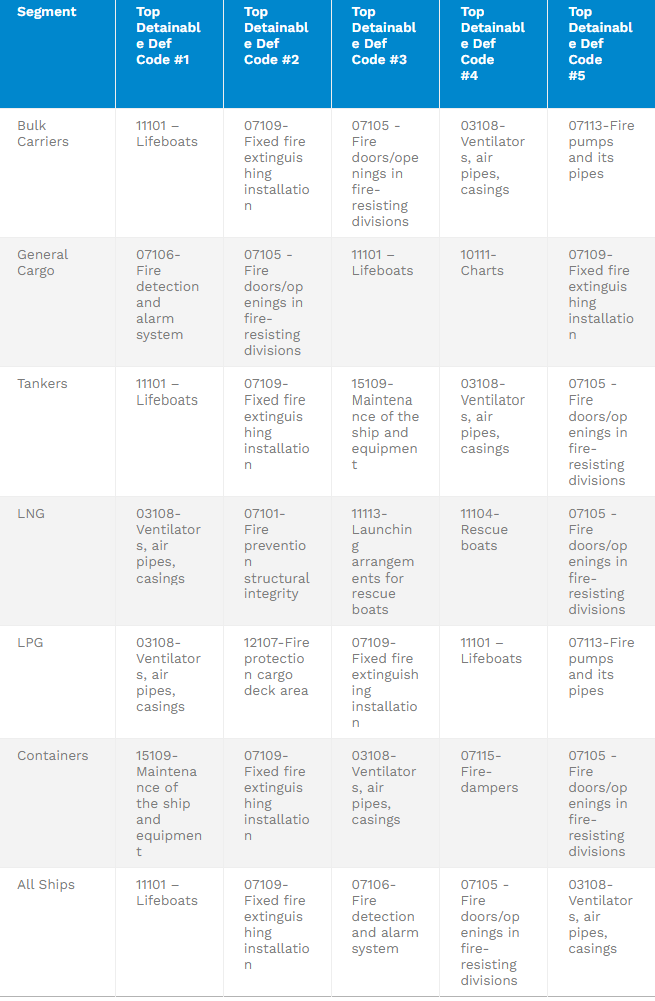
Table 2: Most common Detainable Deficiencies per Ship main Segment – Source: RISK4SEA
How to avoid deficiencies and detentions
Predicting deficiency codes without robust analytics and feedback is extremely difficult. Of the 588 deficiency codes available to PSC Officers in CY2025, all were used at least once, and 451 were marked detainable at least once.
This demonstrates that relying on generic preparation checklists or standard global codes is often insufficient for every port.
The key question remains: How can ship managers or operators properly prepare vessels to avoid failures and detentions?
The most effective approach is port-specific preparation based on risk assessment. This should consider:
The port’s historical deficiency profile for the relevant ship segment
The ship’s PSC inspection history
The managing company’s PSC performance
By combining these factors, operators and managers can develop a Ship/Port/Manager-specific checklist, prioritizing applicable codes and preparation measures based on accurate statistical analysis.
This method enables vessels to be properly prepared for inspections at each port, rather than relying on generic assumptions.
免责申明:本文来源外网,若有误差请以英语为准。仅代表作者观点,不代表中国海员之家立场。其真实性及原创性未能得到中国海员之家证实,在此感谢原作者的辛苦创作,如转载涉及版权等问题,请作者与我们联系,我们将在第一时间处理,谢谢!联系邮箱:cnisu@54seaman.com