 五度妙笔
五度妙笔 企业透视镜
企业透视镜 API商城
API商城
 数据库
数据库《海洋预报》| 南海北部温跃层特征分析

南海北部温跃层特征分析
全文请用PC端下载 地址:
http://www.hyyb.org.cn/Magazine/Show.aspx?ID=3700
读书小笔记
作者:郭雨榕 王宁 胡王江 闫恒乾 张永垂
单位:
国防科技大学气象海洋学院, 湖南 长沙 410073
分类号:P731
出版年·卷·期(页码):2026·43·第一期(1-12)
摘要:采用 GLORYS12V1等再分析资料,分析了南海北部海域温跃层的季节特征及其与厄尔尼诺-南方涛动(ENSO)事件的关联。结果表明:受不同季节太阳辐射差异影响,平均温跃层上界深度冬季最深、夏季最浅,温跃层强度和厚度的季节变化特征与上界深度相反;受季风和中尺度涡影响,温跃层上界深度在冬季和夏季呈显著的西北—东南向“跷跷板”分布,冬季表现为西北深、东南浅,夏季则相反;温跃层上界深度与Ni?o3.4指数存在较强负相关,ENSO不同位相通过不同机制影响南海北部温跃层上界深度,厄尔尼诺发生时,风应力和环流异常是导致南海北部温跃层上界深度异常的主要原因,拉尼娜事件中,温跃层上界深度的异常加深则主要由短波辐射通量异常引起。
关键词:南海北部 温跃层 厄尔尼诺-南方涛动
Abstract:The seasonal characteristics of the thermocline in the northern South China Sea and its correlation with the El Ni?o-Southern Oscillation (ENSO) events are analyzed based on GLORYS12V1 and other reanalysis datasets. The results show that averaged thermocline upper boundary depth is deepest in winter and shallowest in summer due to the disparity of solar radiation in different seasons. The intensity and thickness of the thermocline show opposite seasonal characteristics to the upper boundary depth. Affected by monsoons and mesoscale eddies, the upper boundary depth of the thermocline presents an obvious seesaw distribution in the northwestsoutheast direction in winter and summer, being deep in the northwest and shallow in the southeast in winter and vice versa in summer. The upper boundary depth shows a relatively strong negative correlation with the Ni?o3.4 index. Different phases of ENSO exert influence on the upper boundary depth of the thermocline through distinct mechanisms. During the El Ni?o events, abnormal wind stress and circulation are the main causes of the abnormal upper boundary depth. In the La Ni?a events, the abnormal deepening of the thermocline upper boundary depth is primarily attributed to the anomaly of shortwave radiation flux.
Key words:the northern South China Sea; thermocline; ENSO
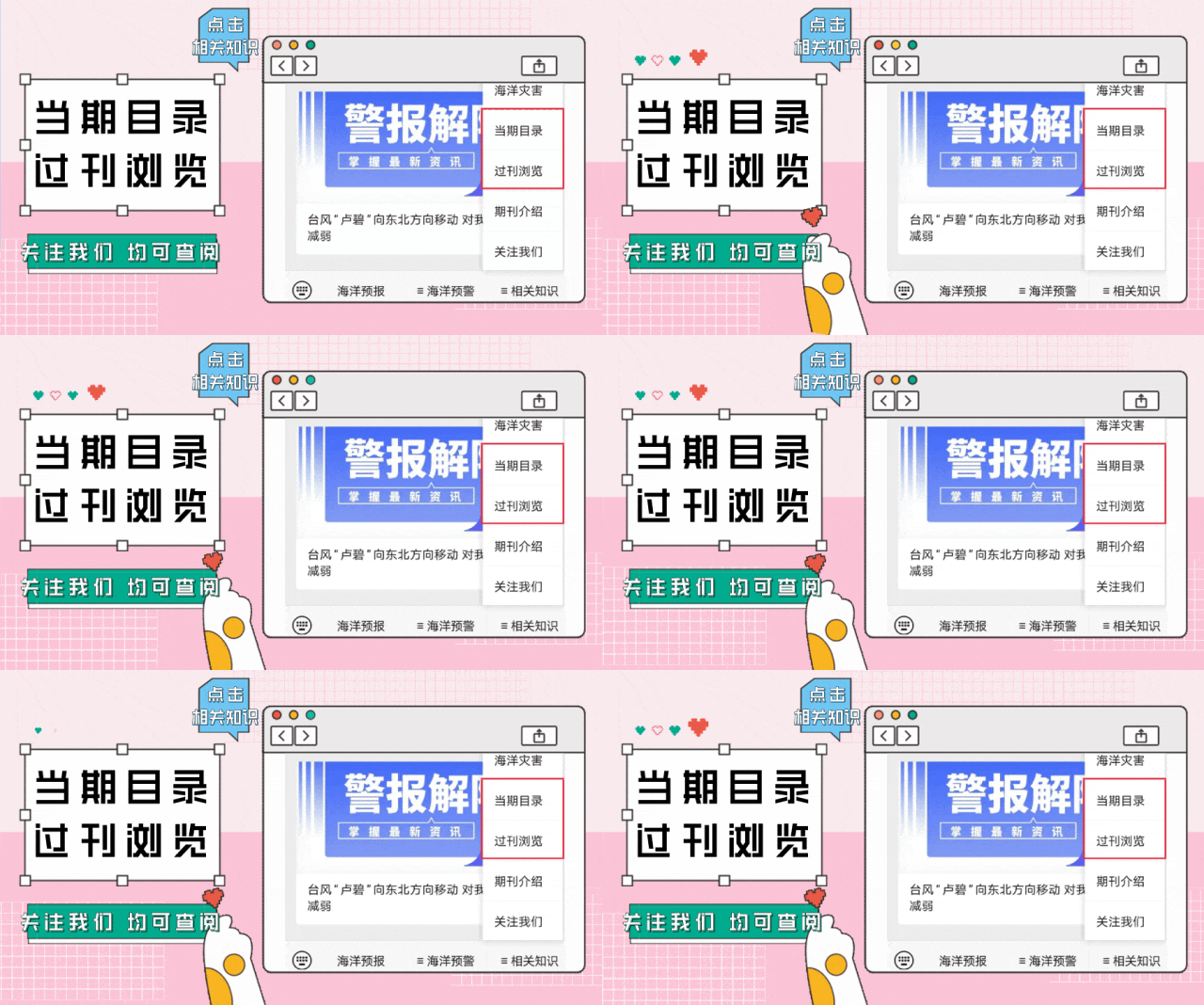
读者也可以通过公众号菜单栏
“相关知识”板块进入《当期目录》和《过刊浏览》
查阅详细期刊内容



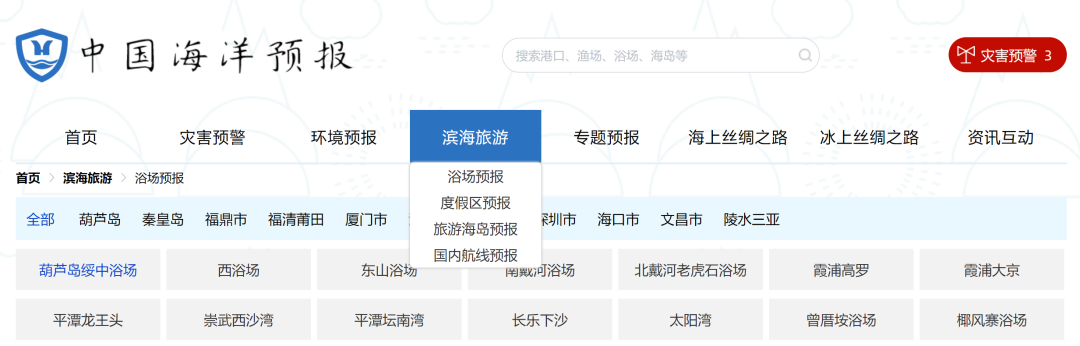
更多滨海旅游海况预报 尽在中国海洋预报


点击下方图片
进入“中国海洋预报”微信小程序

点击下方图片
进入“全球海啸预警”微信小程序

长按下方图片,识别二维码
关注“国家海洋环境预报中心”公众号