
 五度妙笔
五度妙笔 企业透视镜
企业透视镜 API商城
API商城
 数据库
数据库万海521代晓强大管提职采访:我非常欣赏公司透明公平的晋升机制,只要踏实工作,就有明确的未来



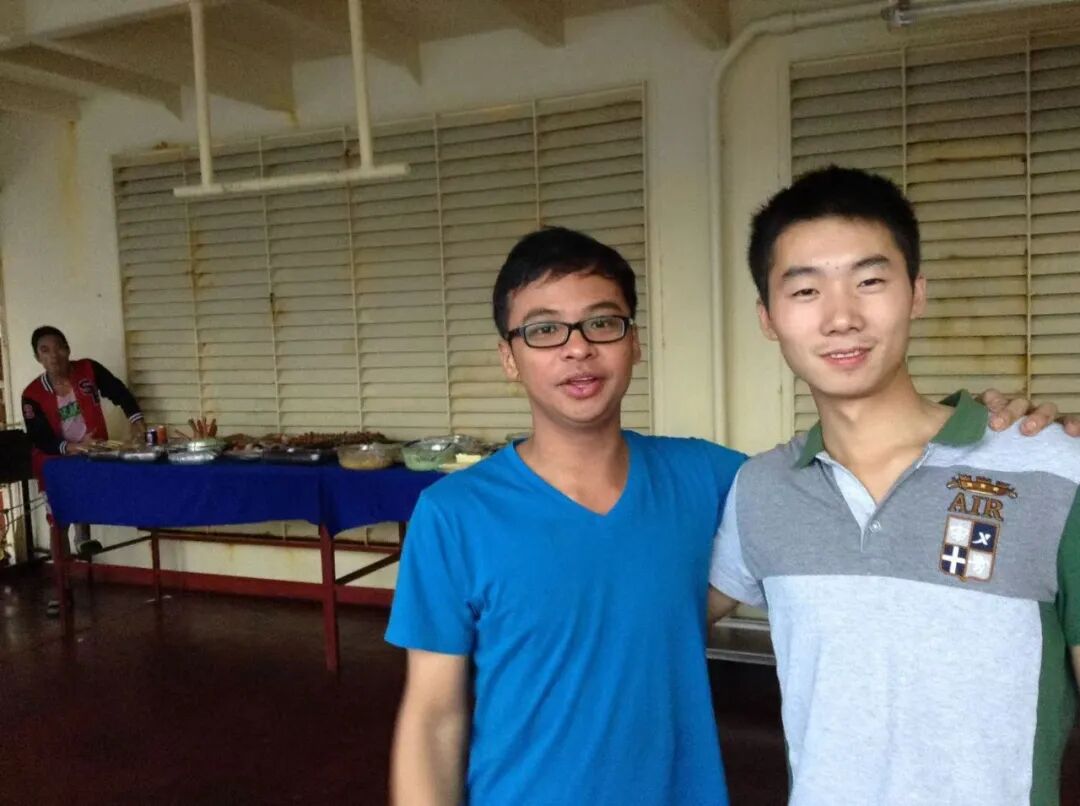
“在确保船舶安全高效运行的同时,带领和激励团队,让每一位成员都清楚自己的职责并发挥最佳水平。”
“CSM有完善的考核评估体系,让努力得到认可。”
“通过船员管理和任务分配平台,我可以查看团队成员的技术能力和培训记录,从而更合理地分配复杂或关键任务——让合适的人做合适的事。”
“理论结合实践是轮机员成长最快的途径。”
“不要只是被动接受任务,要思考为什么做、怎样做得更好。”
——代晓强 万海521 大管

Q1
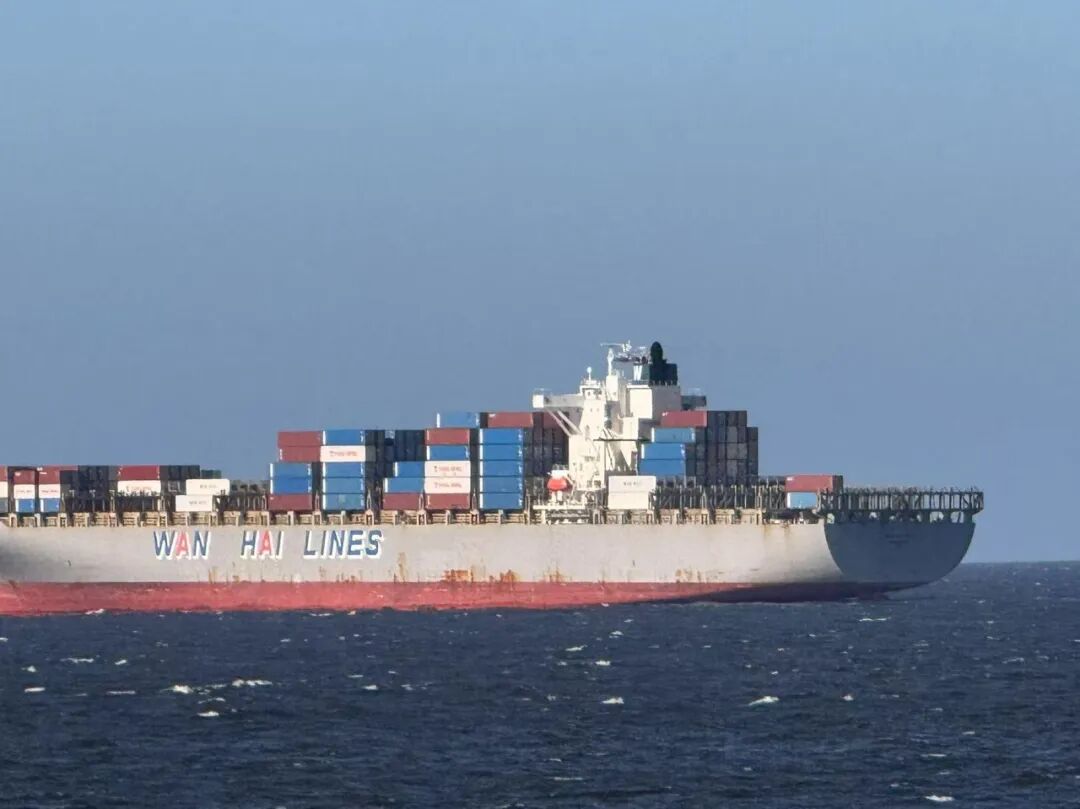
代晓强大管您好,请简单介绍一下万海521这艘船
万海521是我们船队中一艘重要的集装箱船舶,主要营运于亚洲—中东/印度航线。该船配备了现代化的设备,如电子喷射式主机、高效的废气锅炉系统、全面的压载水处理系统以及废气清洁系统(EGCS)。万海521不仅是公司可靠的资产,也是我们践行高效运营和环保理念的平台。在这艘船上工作,可以接触到先进的技术和严格的管理程序,这对个人成长有很大的帮助。
Q2
代晓强大管,祝贺您刚刚在船提职为大管轮。从二管轮到大管轮,您觉得工作中最大的变化或挑战是什么?
谢谢。最大的变化是从"管设备"转变为"管人又管设备"。作为二管轮时,我的主要工作是确保所负责的设备(如主机、辅机)高效运转。现在作为大管轮,我需要负责轮机部的日常全面管理工作,包括人员安排、维护计划、备件控制等。这需要更广阔的视野和更强的协调能力。目前的主要挑战是尽快适应管理角色——在确保船舶安全高效运行的同时,带领和激励团队,让每一位成员都清楚自己的职责并发挥最佳水平。这是我正在积极学习的新领域。
Q3
作为刚刚晋升的大管轮,您认为CSM的数字化管理工具对您的日常管理工作(如人员安排、维护计划)提供了哪些具体的支持?
CSM的数字化工具对我进入管理角色起到了关键作用,让管理工作更加清晰有序。
· 维护计划方面:公司统一的计划保养系统是工作的核心。所有设备的保养周期、历史记录、作业指导书都清晰呈现。根据系统提醒和船舶航行计划,我可以提前安排每周、每月的保养工作,避免冲突或遗漏。
· 人员安排方面:通过船员管理和任务分配平台,我可以查看每位轮机员的技术能力和培训记录,从而更合理地分配复杂或关键任务——让合适的人做合适的事。任务完成情况和反馈也记录在系统中,团队协作透明顺畅。
· 备件和物料管理方面:数字化库存系统让我实时掌握备件的数量、位置和消耗情况。申请流程在线化,减少了纸质工作,审批和跟踪也更加便捷,为保养工作提供了可靠的物料保障。
Q4
在环保减排方面,大管轮需要更直接地监督执行。您如何确保团队在日常操作中落实低硫油使用、能效管理等要求?CSM为您提供了哪些培训或指导?
环保合规是当今航运业的重中之重,也是我们日常工作的关键部分。我通过以下几方面确保团队合规:
· 提高意识:在工前会和安全简报中,我反复强调环保法规的重要性——不仅是为了合规,更是我们对保护海洋的责任。
· 规范操作:我们严格遵守公司的燃油转换程序和能效管理计划。例如,在进入排放控制区前,确保及时、正确地切换到低硫燃油,并准确记录所有参数。日常工作中,我们密切监控主辅机油耗,优化运行设备的组合。
· 加强检查:我定期检查《油类记录簿》、废气清洁系统日志(如适用)、能效数据报告等,确保记录准确可追溯。
关于CSM的支持:CSM提供了系统化的培训。上船前,我参加了船舶能效管理和排放控制区法规的专项课程。在船上,我们可以随时访问公司的在线学习平台,学习最新的环保法规和操作指南。CSM还定期发布技术通告,更新最佳实践,为我们提供明确的执行指导和技术支持。
Q5
您刚刚经历过在船晋升,对轮机部门的年轻船员(尤其是二管轮/三管轮)有哪些成长建议?CSM的晋升机制和培训如何支持了您的发展?
我给年轻轮机员的建议可以总结为三点:
· 第一,动手实践,掌握设备。不要怕苦怕脏,多下机舱,研究图纸和说明书,了解所负责每台设备的特性。理论结合实践是工程师成长最快的途径。
· 第二,主动担当,提前思考。不要只是被动接受任务,要思考为什么做、怎样做得更好。在做二管轮、三管轮时,就尝试从大管轮的角度看问题,这为未来晋升做好准备。
· 第三,善于沟通,持续学习。向轮机长和资深同事学习,与甲板部良好沟通。充分利用公司的培训资源,让知识保持更新。
关于CSM的制度:我非常欣赏公司透明公平的晋升机制。它不是单纯看资历,而是看实际表现、技术能力和责任心。公司有完善的考核评估体系,让努力得到认可。培训方面,从入职培训、岗位培训到晋升前管理培训,CSM提供了清晰的职业发展路径。我是在完成规定培训并通过考核后,才获得船上晋升机会的。这让我看到,只要踏实工作,在公司就有明确的未来。
Q6
根据您的亲身经历,您会对那些考虑加入CSM并希望在船上实现职业成长的年轻轮机员说些什么?
我想说:如果你想在专业环境中快速成长,CSM是一个很好的选择。根据我的个人经验,有三点:
· 第一,这里有真正的学习环境。船队技术先进、管理规范,你会接触到行业领先的操作和保养标准,这对打下扎实的技术基础非常重要。
· 第二,这里有清晰的职业路径。公司重视人才发展,只要展现出能力和责任心,就会有公平的晋升机会。完善的培训体系像脚手架一样,在你每一步向上攀登时提供支持。
· 第三,这里有务实、踏实的工作氛围。从船长、轮机长到其他船员,每个人都专业务实,团队协作顺畅。你可以专注于技术和职业发展,没有干扰。
我自己的经历就是最好的例子——从操作级轮机员开始,通过公司的培训和自身努力,现在能够承担更大的责任。我欢迎有志向的年轻轮机员加入CSM,与公司共同成长,在海上实现你的职业理想。

「READING」
采访原文 Original
Please briefly introduce the vessel WAN HAI 521.
"WAN HAI 521 is an important container vessel in our fleet. She mainly operates on the Asia–Middle East/India trades. The vessel is equipped with modern features, such as an electronic‑injection main engine, an efficient exhaust gas boiler system, a comprehensive ballast water treatment system, and an EGCS. WAN HAI 521 is not only a reliable asset for the company but also a platform where we implement high‑efficiency operations and environmental protection concepts. Working on this ship allows you to gain experience with advanced technologies and strict management procedures, which greatly supports personal growth."
Congratulations on your recent promotion to Second Engineer onboard. What do you feel is the biggest change or challenge in your work as you move from Third Engineer to Second Engineer?
"Thank you. The biggest change is shifting from 'managing equipment' to 'managing both people and equipment.' As a Third Engineer, my main focus was ensuring the efficient operation of my assigned machinery, such as the main engine and auxiliary engines. Now, as the Second Engineer, I am responsible for the overall daily management of the engine department, including crew allocation, maintenance planning, and spare parts control. This requires a broader perspective and stronger coordination skills. The main challenge right now is to quickly adapt to the supervisory role — ensuring safe and efficient vessel operation while leading and motivating the team, so that every member knows their duties and performs at their best. This is a new area that I am actively learning."
As a newly promoted Second Engineer, how have CSM’s digital management tools supported your daily management tasks, such as crew allocation and maintenance planning?
"CSM’s digital tools have been essential in helping me step into the management role. They make management clearer and more organized.
· For maintenance planning: The company’s unified planned maintenance system is at the core of our work. All equipment service intervals, historical records, and work instructions are displayed clearly. Based on the system’s reminders and the vessel’s voyage plan, I can schedule weekly and monthly maintenance tasks in advance, avoiding conflicts or omissions.
· For crew allocation: Through the crew management and task assignment platform, I can see each engineer’s skills and training records. This helps me assign complex or critical tasks more reasonably — putting the right person in the right place. Task completion and feedback are also recorded in the system, making team collaboration transparent and smooth.
· For spare parts and stores management: The digital inventory system allows me to know the quantity, location, and consumption of spare parts in real time. Requisition processes are online, reducing paperwork and making approvals and tracking much more convenient, ensuring reliable material support for maintenance."
In terms of emission reduction, the Second Engineer plays a more direct supervisory role. How do you ensure your team complies with requirements such as low-sulfur fuel usage and energy efficiency management in daily operations? What training or guidance has CSM provided?
"Environmental compliance is a top priority in shipping today, and it is a key part of our daily operations. I ensure my team complies through several actions:
· Raise awareness: During toolbox meetings and safety briefings, I repeatedly emphasize the importance of environmental regulations — not just for compliance, but for our responsibility to protect the ocean.
· Standardise operations: We strictly follow the company’s Fuel Changeover Procedure and Energy Efficiency Management Plan. For example, before entering an Emission Control Area, we ensure timely and proper switching to lowsulphur fuel, and we record all parameters accurately. In daily work, we closely monitor main and auxiliary engine energy consumption and optimise the combination of running equipment.
· Strengthen inspections: I regularly check the Oil Record Book, exhaust cleaning system logs (if applicable), energy efficiency data reports, etc., to ensure records are accurate and traceable.
Regarding CSM’s support: CSM provides systematic training. Before joining a vessel, I attended specialised courses on Ship Energy Efficiency Management and ECA Regulations. On board, we can access the company’s online learning platform anytime to study the latest environmental regulations and operational guidelines. CSM also regularly issues technical circulars updating best practices, which gives us clear implementation instructions and technical backup."
Having recently been promoted onboard, what advice would you give to young engineers in the engine department (especially Third and Fourth Engineers)? How have CSM’s promotion system and training supported your development?
"My advice to young engineers can be summarized in three points:
· First, get hands‑on experience and master your equipment. Don’t be afraid of hard work or getting your hands dirty. Go down to the engine room, study drawings and manuals, and understand the characteristics of every piece of equipment under your charge. Combining theory with practice is the fastest way to grow as an engineer.
· Second, take responsibility and think ahead. Don’t just do what you are told — think about why you do it and how to do it better. When you are a Third or Fourth Engineer, try to see things from the Second Engineer’s perspective. This prepares you for future promotion.
· Third, be good at communication and continuous learning. Learn from your Chief Engineer and senior colleagues, and communicate well with the deck department. Make full use of the company’s training resources to keep your knowledge up to date.
Regarding CSM’s system: I truly appreciate the transparent and fair promotion system. It is not based solely on seniority, but on actual performance, technical competence, and responsibility. The company has a complete assessment and evaluation system, so that hard work is recognised. As for training, from induction training, job‑specific training, to pre‑promotion management training, CSM provides a clear career path. I received the opportunity for onboard promotion only after completing the required training and passing the assessments. This shows me that if you work steadily, there is a clear future in the company."
What would you say to young engineers who are considering joining CSM and hope to grow their careers onboard, based on your own experience?
"I would say: if you want to grow fast in a professional environment, CSM is a very good choice. Here are three things from my personal experience:
· First, there is a genuine learning environment. The fleet is technologically advanced and wellmanaged. You will be exposed to industryleading operational and maintenance standards, which is extremely important for building a solid technical foundation.
· Second, there is a clear career path. The company values talent development. As long as you demonstrate competence and responsibility, you will have fair opportunities for promotion. The wellstructured training system supports you like scaffolding at every step upward.
· Third, there is a practical, grounded working atmosphere. From the Master and Chief Engineer to the ratings, everyone is professional and pragmatic. Teamwork is smooth. You can focus on your technical skills and career development without distraction.
My own story is the best example — starting as a junior engineer, through the company’s training and my own efforts, I am now able to take on greater responsibility. I welcome young, motivated engineers to join CSM, to grow together with the company, and to realise your career ambitions at sea."


