
 五度妙笔
五度妙笔 企业透视镜
企业透视镜 API商城
API商城
 数据库
数据库里程碑合作背后:格博生物与分子胶的星辰大海|专访卢刚博士丨Bilingual
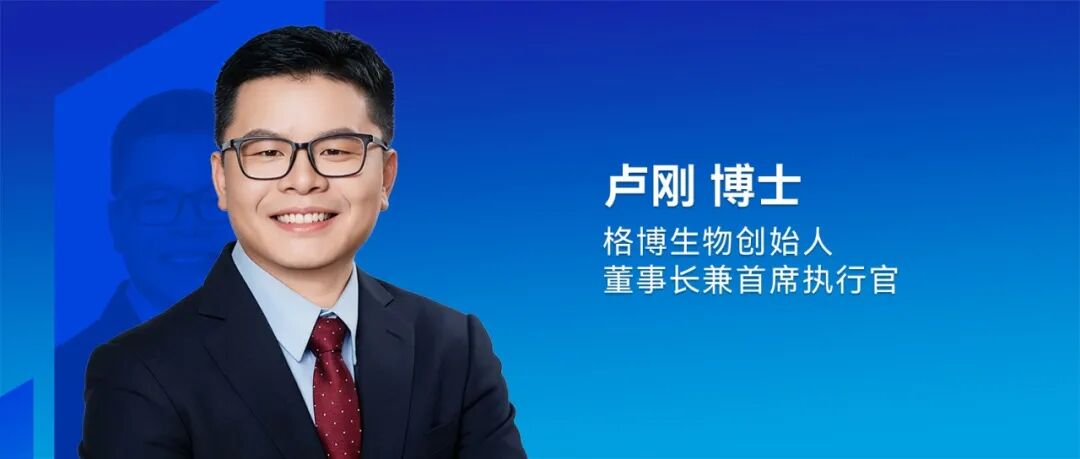
2026年2月12日,距离农历春节仅剩五天。一大早,格博生物(GluBio Therapeutics)获得赛诺菲(Sanofi)3000万美元战略股权投资的消息传来。作为格博生物创始人、董事长兼首席执行官,卢刚博士来不及回复手机上一连串的祝贺消息,便赶往机场。忙碌一年后,他终于得以短暂放下工作,赶去与家人团聚。
飞机升空,舷窗下方城市的灯火通明使他感到久违的放松。作为一家初创公司的掌舵人,他习惯了未雨绸缪,也经历过无数辗转反侧的时刻——创新药研发“九死一生”的常态,创业路上的艰辛,时刻提醒着他前行的风险。而此刻,历经数月谈判、成功完成这次融资之后,“如释重负”是他最真切的心境。
与此同时,数千里外的北方草原上,一位40多岁的男性患者正满怀期待地规划春节行程。他是一名难治的淋巴瘤患者,因侵袭至眼眶的病灶险些失明。而如今,他已回归正常生活,只要按期服药,他几乎感觉不到疾病的存在。
将他从病痛深渊中拽回的,是一项正在进行的临床试验。作为参与者,他有机会用上了格博生物研发管线中的一款在研新药GLB-002——那是卢刚博士和团队多年心血的成果之一。
“你能想象吗?”卢刚博士激动地说,“这款药目前还在临床试验阶段,但我们已经在一些患者身上看到了令人鼓舞的药效反应。看到他们生活上的积极改变,这种成就感,无可比拟。”
这两个画面,共同勾勒出格博生物五年来发展的注脚:一边是科学家和创业者的抉择与坚守,一边是临床上患者生活的悄然改变。而连接它们的,是一家公司、一个行业对“做创新药”的投入与执着。
“我们的产品数据包足够扎实”
2021年春天,卢刚博士离开药企,从“舒适区”走向一条截然不同的道路。
“我要自己支配资源,开发创新药。”当年3月,他和志同道合的伙伴付利强博士一起创立了格博生物,开启了一场“冒险”之旅。
公司启航之初,便聚焦分子胶降解剂的研发。分子胶,是近年来快速发展的新药研发新方向。卢刚博士将其比作是新药研发的“星辰大海”。但他与分子胶的缘分,可以追溯至更早。
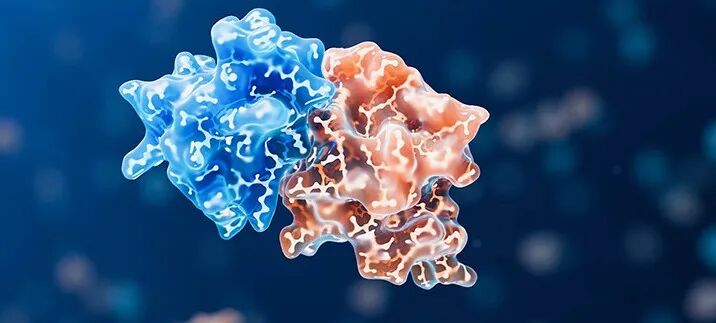
早在2010年,科学家率先发现了沙利度胺可以与一个E3泛素连接酶CRBN结合,但仍未能完全揭示沙利度胺的作用机制。受好奇心驱动,彼时尚在哈佛大学医学院从事研究的卢刚博士便开始设计一个利用高通量筛选方式研究蛋白稳定性的平台。2013年底,卢刚博士作为第一作者在Science期刊发表论文,阐明了度胺类免疫调节药物来那度胺的分子胶作用机制。该论文与同期发表的另一篇研究论文,首次共同明确了这一机制,被视为分子胶领域的里程碑。
“从那时起,我就坚定认为,分子胶是未来新药开发最具潜力的方向之一。”
为什么?因为太多疾病靶点常受困于“不可成药”——要么没有结合口袋,或者有结合口袋但无法抑制其功能。而分子胶的逻辑完全不同:它不需要强结合,只需要一个微弱、短暂的结合,就能诱导E3连接酶高效标记目标蛋白,引导它们的降解。
“人体内存在600多种E3连接酶,一万多个蛋白。平均每个E3连接酶都有几十个天然的底物蛋白。”卢刚博士语带兴奋,“假设未来有一天我们针对多数E3连接酶都能开发出全新的分子胶药物,那么有多少新底物蛋白可以被分子胶药物降解?这一领域的想象空间太大了。”
基于十余年分子胶研发经验的积累,卢刚博士带领团队迅速布局,建立了自己专有的核心技术平台——Glue Degrader Discovery(GDD©),并打造出一套完整的一体化研发体系,涵盖靶点识别与验证、多维蛋白降解筛选、AI驱动的分子胶理性设计,以及多样化专有化合物库等。
在分享分子胶发现与开发的关键思路时,他分享了两个关键词:一是“站在巨人的肩上”;二是“理性设计”。卢刚博士指出,得益于CRBN E3连接酶结构的高度可塑性,该领域的靶点并不难找——目前根据公开信息获知的可降解蛋白就有成百上千个,但难点在于如何选择可成药靶点、如何理性设计对应的分子胶,以及如何优化分子的成药性。
正因如此,团队在过去多年积累的“know-how”,成为其最大优势。卢刚博士拥有超过10年靶向蛋白降解领域的药物研发经验,加之创始团队丰富的产业积淀,为产品的精准设计和开发奠定了坚实基础,也进一步提升和强化了“理性设计”的实施能力和效率。
据介绍,格博生物从创立之初启动的近十个研发项目,覆盖肿瘤、自免和遗传性疾病等多个治疗领域,至今几乎无一停滞,全部在稳步推进中。卢刚博士表示:“从靶点选择到药物分子设计,只有完全确定一款产品能够潜在地为患者带来更大获益、值得往前推进,团队才会下定决心立项。”

此次获得赛诺菲青睐的GLB-005和GLB-007,是两款靶向转录因子WIZ的在研分子胶项目。它们有希望在镰状细胞病领域为患者带来突破性的治疗选择。
合作消息公布后,卢刚博士收到了来自全球多家媒体的采访邀约。面对外界的关注与好奇,他的回答坦率而笃定:“我们的产品数据包足够扎实。”
他进一步解释,尽管市场上还有其他镰状细胞病在研管线,也有其他公司已经研发出靶向WIZ的分子胶在研管线,但格博生物凭借其分子选择性、安全性等关键指标上的潜力赢得了信任。
“我们打动赛诺菲研发团队的,是高质量的产品与扎实的研发数据。”卢刚博士表示,“从当前数据来看,这两款产品具备真正的“best-in-class”潜力,有望解决尚未被满足的临床需求。”
致敬合作,众行致远
“这是天时、地利、人和的一次完美契合。”卢刚博士对这次合作这样总结。
他表示,有了这笔新的资金注入,格博生物未来大约3年无需担心现金流问题了。按照规划,公司将在2026年启动多项2期临床研究,以及提交多个新的IND申报。
更关键的是,有了赛诺菲这样的国际性合作伙伴的加持,这些在研药物有望加速研发,以更快的速度释放临床潜力,真正走向全球病患。
这正是合作推动创新的生动写照。从业多年,卢刚博士与投资机构、临床机构、CXO乃至法务团队均有深度合作。每一次碰撞,他都能感受到灵感的火花。合作也使格博生物能够更加专注于自己最擅长的事——回归科学本身。
尤其是五年的创业历程,让他更加坚信:找到专业且彼此契合的合作伙伴,至关重要。
采访中,他还提到了公司创立五年来贯穿始终的一家合作伙伴——药明康德。
“我们几乎所有外部的化学合成都是在药明康德做的。”卢刚博士说。早在国际药企工作时,他就和药明康德的化学团队有过合作。创业之初,他和团队几乎没有犹豫,一致决定把化学方面的工作交给了这个熟悉的伙伴。
他回忆起2022年与药明康德子公司合全药业携手共渡难关的一段经历。彼时受疫情影响,他一度担心某个早期项目进度可能延误。但药明康德团队最终如期且高质量地完成了两个IND项目的需求交付。“那个时候大家都很困难,但我们的项目进度丝毫没有间断,我们真的非常感动。”
“药明康德在很多地方都太给力了,尤其是一体化平台,质量靠谱、效率很高。另外,药明康德能为我们提供更多的想法,我们之间经常能碰撞出许多火花。”

图片来源:123RF
在分子胶等蛋白降解领域,药明康德的布局足够早,积累了丰富的经验。
有一次,一个小分子因合成难度大,给工艺开发和分析带来极大挑战。但凭借药明康德平台所提供的偶联、结晶技术等全面能力,双方共同努力最终克服了挑战,保障项目按期完成。
古语说:“积力之所举,则无不胜也;众智之所为,则无不成也。”一个人的执念,一群人的坚守,一个行业的协作,最终汇聚成改变患者命运的力量。
走向未来的星辰大海
山海不远,行则将至。
回顾创业初期的五年,卢刚博士将其定义为“阶段性的胜利”。
但对于分子胶的未来,他的想象远不止于此。“随着分子文库设计的多样性,以及AIDD在理性设计中的深度应用,未来几乎所有与疾病相关的蛋白,都有可能通过分子胶来实现降解。这个领域的边界,正在被不断拓宽。”
谈及格博生物的前景,卢刚博士理性中透着确信的从容:“我们想做的是真正的创新药,我们有想法,有对新药研发的深刻理解,我们有‘know-how’,更有成功的经验。如果有足够的资源支撑,我们只会做得更好。”
创业之路从不平坦,但他从未后悔。“人生有能有几回搏?博一下、拼一下!哪怕失败,大不了从头再来。”在他看来,人生短暂,真正值得在意的,不是世俗意义上的成功,而是“当你退休时回望数十年职业生涯,能清晰地看到——你真的做成了什么。”
这份信念,已经得到印证。正如开头提到的那位患者,尽管格博生物的在研产品尚在临床开发阶段,未来仍存不确定性,却已经为一些临床患者带来了积极的改变。
“当你看到那种改变时,就会觉得一切努力都有了意义——你真的帮助到了一些病人,开始满足那些未被满足的临床需求。”他顿了顿,“那种时刻,真的非常鼓舞人心。”
Behind the Partnership: Dr. Gang Lu and the Vast Frontier of Molecular Glues
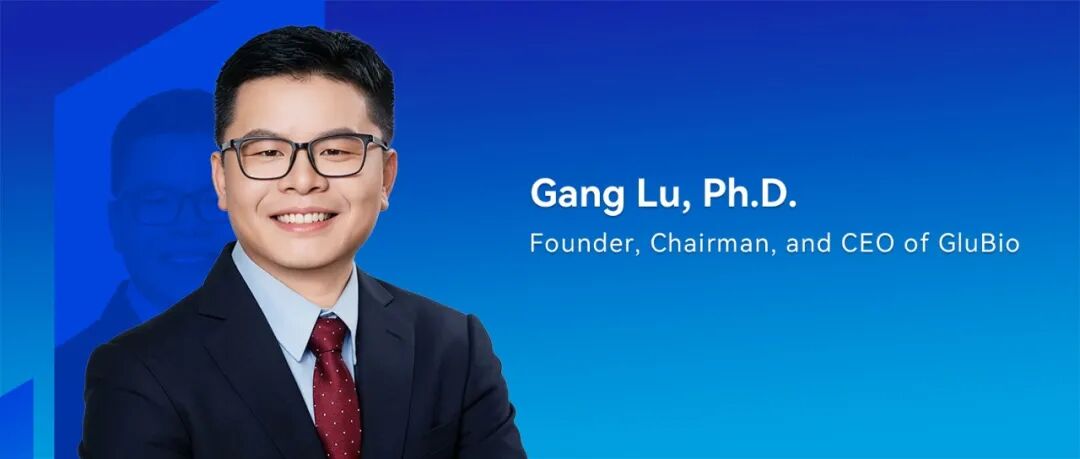
On February 12, 2026, news arrived early in the morning: GluBio Therapeutics had secured a $30 million strategic equity investment from Sanofi. As the Founder, Chairman, and CEO of GluBio, Dr. Gang Lu barely had time to acknowledge the flurry of congratulatory messages on his phone before heading to the airport. After a busy year, he was finally able to briefly set aside his work and rush to reunite with his family.
As the plane ascended, the bright city lights sprawling beneath his window offered a rare moment of relaxation. As the leader of a startup, he was accustomed to planning ahead and had endured countless sleepless nights—the reality of innovative drug R&D, the challenges of the entrepreneurial journey—constant reminders of the risks ahead. At this moment, however, after months of negotiations and successfully securing this financing, he felt profound relief.
Meanwhile, a patient in his 40s was eagerly planning his vacation itinerary. He had once suffered from refractory follicular lymphoma, with metastases to his eye socket that nearly caused blindness. Now, life had returned to normal: as long as he took his medication on schedule, he could barely feel the presence of the disease.
What pulled him from the throes of illness was an ongoing clinical trial. As a participant, he gained access to an investigational new drug GLB-002 from GluBio—one of the key achievements resulting from years of dedicated work by Dr. Lu and his team.
"Can you imagine?" Dr. Lu exclaimed excitedly. "Although this drug is still in the clinical trial phase, we have already observed encouraging preliminary responses in some patients. Seeing the positive changes in their lives—there's no comparable sense of achievement."
These two scenes together are hallmarks of GluBio's five-year journey: on one side, the choices and perseverance of a scientist and entrepreneur; on the other, the quiet transformation in patients' lives. Connecting them is a company's and an industry's commitment and dedication to "developing innovative medicines."
"Our Product Data Package is Solid and Compelling"
In the spring of 2021, Dr. Lu left a US biotech company, stepping out of his comfort zone and onto a distinctly different path.
"I wanted to control my own resources and develop innovative drugs," he stated. In March of that year, together with his partner, Dr. Liqiang Fu, he founded GluBio, embarking on an "adventurous" journey.
From its inception, the company focused on the research and development of molecular glue degraders. Molecular glues represent a rapidly evolving new frontier in drug discovery. Dr. Lu likens them to a "vast ocean of potential." His own connection with molecular glues, however, dates back even further.
As early as 2010, scientists discovered that thalidomide could bind to an E3 ubiquitin ligase called CRBN. However, the complete mechanism of action of thalidomide and its related analogues remained unveiled. Driven by curiosity, Dr. Lu, then still active in academia at Harvard Medical School, began researching and designing platforms to study protein stability using high-throughput screening methods. In late 2013, as first author, he published a paper in the journal Science explaining the molecular glue mechanism of action of the immunomodulatory drug lenalidomide (a thalidomide analogue). This paper, along with another study published in the same issue, is considered a milestone in the molecular glue field, being the first to clearly define this mechanism for lenalidomide.
"From that point on, I firmly believed that molecular glues represented one of the most promising directions for drug development."
Why? Because too many disease targets are plagued by being "undruggable"—they either lack a binding pocket, or possess one but cannot have their function inhibited. The logic of molecular glues is entirely different: they don't require strong binding. A weak, transient interaction is sufficient to induce the E3 ligase to tag the target protein for degradation.
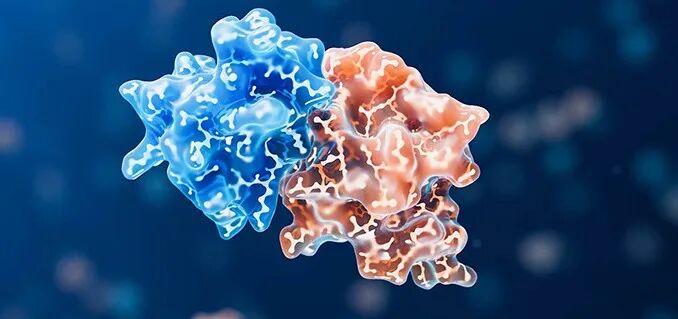
"The human body has over 600 types of E3 ligases and more than 10,000 proteins. On average, each E3 ligase has dozens of substrate proteins," Dr. Lu explained. "Imagine if, one day in the future, we could develop molecular glue drugs targeting a majority of these E3 ligases. How many distinct proteins could be degraded? The potential of this field is enormous."
Building on over a decade of experience in molecular glue research and development, Dr. Lu led his team to move quickly, establishing their proprietary core technology platform—Glue Degrader Discovery (GDD©). They built a comprehensive, integrated R&D system covering target identification and validation, multi-dimensional protein degradation screening, AI-driven rational design of molecular glues, and diverse proprietary compound libraries.
When sharing key insights into molecular glue discovery and development, he highlighted two concepts: "standing on the shoulders of giants" and "rational design." Dr. Lu pointed out that given the high plasticity of the CRBN E3 ligase, finding targets in the CRBN-based molecular glue field isn't the main challenge—according to the information in the public domain, hundreds or potentially thousands of proteins can be degraded by CRBN-based molecular glue degraders. The real difficulty lies in determining which targets have high druggability, how to rationally design corresponding molecular glues, and how to optimize their drug-like properties.
Precisely because of this, the team's accumulated "know-how" over many years has become their greatest advantage. With Dr. Lu's more than 10 years of experience in targeted protein degradation drug R&D, combined with the founding team's rich industry expertise, they have laid a solid foundation for precise product design and development, further strengthening their practical ability for "rational design."
According to reports, of the nearly 10 R&D projects initiated by GluBio since its founding, spanning multiple disease areas including oncology, autoimmune disorders, and genetic diseases, virtually none have been halted; all are progressing steadily. Dr. Lu stated, "From target selection to drug molecule design, the team only greenlights a project when they are absolutely certain that a product can potentially bring greater benefits to patients and is worth advancing."
The two projects that attracted this recent interest, GLB-005 and GLB-007, are investigational molecular glue candidates targeting the transcription factor WIZ. They show promises in providing breakthrough treatment options for patients with sickle cell disease.
Following the announcement of the partnership with Sanofi, Dr. Lu received interview requests from numerous global media outlets. In response to the external attention and curiosity, his answer was frank and confident: "Our product data package is solid and compelling."
He further explained that although there are other sickle cell disease pipelines in the market, and some have also developed WIZ-targeting investigational molecular glues, GluBio earned trust through its potential in key metrics such as molecular selectivity and safety.
"What impressed the Sanofi team was our high-quality products and solid R&D data," Dr. Lu said. "These products possess genuine 'best-in-class' potential, and are expected to address unmet clinical needs."
A Tribute to Collaboration: Together We Go Far
"This was a perfect convergence of timing, opportunity, and synergy," Dr. Lu summarized regarding the partnership.
He noted that with this new capital injection, GluBio’s cash flow is secure for approximately the next three years. According to their plan, the company will initiate several Phase 2 clinical studies and submit several new INDs in 2026.
More critically, with the backing of an international partner like Sanofi, these investigational drugs can potentially advance through R&D more rapidly, unlocking their clinical potential faster to reach broader populations of patients in need.
This vividly illustrates how collaboration drives innovation. Throughout his years in the industry, Dr. Lu has engaged in deep collaborations with investment institutions, clinical organizations, CXOs, and legal teams. Each interaction sparks new ideas. Collaboration also allows GluBio to focus more sharply on what it does best—returning to the science itself.
His five-year entrepreneurial journey, in particular, has reinforced his belief that finding professional and compatible partners is crucial.
During the interview, he also mentioned a collaborative partner that has been with the company throughout its five-year history—WuXi AppTec.
"We do all of our external chemical synthesis with WuXi AppTec," Dr. Lu said. He had collaborated with WuXi AppTec's chemistry teams during his time at an international pharma company. When starting his own venture, he and his team decided without hesitation to entrust the chemistry work to this familiar partner.
He recalled a challenging period in 2022. Amidst the pandemic's disruptions, he worried that progress on an early-stage project might be delayed. However, working closely with WuXi STA, a subsidiary of WuXi AppTec, the team ultimately fulfilled the requirements for two IND projects on time and with high quality.
"It was a difficult time for everyone, yet our project timelines remained uninterrupted. We were truly touched."
Image source:123RF
"WuXi AppTec has been incredibly supportive in many ways, especially with their integrated platform—the quality is reliable, and the efficiency is high. Furthermore, they often bring additional ideas to the table, leading to many productive brainstorming sessions." This was particularly true in areas like molecular glues and protein degradation, where WuXi AppTec's early investments have resulted in a wealth of accumulated experience.
On one occasion, a small molecule with numerous chiral centers posed significant challenges for process development and analysis. However, by leveraging WuXi AppTec's conjugation technologies, crystallization expertise and other advanced technologies, the joint efforts of both teams ultimately overcame the challenge.
An ancient saying goes, "When collective strength is leveraged, nothing is insurmountable; when collective wisdom is employed, nothing is unachievable." The passion of one person, the persistence of a team, and the collaboration of an industry ultimately converge into the power to change patients' destinies.
Towards the Vast Ocean of Opportunity Ahead
Looking back on the initial five years of the startup, Dr. Lu defines them as a "phased victory."
But his vision for the future of molecular glues extends far beyond this. "With the increasing diversity of molecular library design and the deep application of digital technology platforms in rational design, potentially all disease-related proteins could someday be degraded using molecular glues. The boundaries of this field are constantly being pushed outward."
Discussing GluBio's prospects, Dr. Lu spoke with a calm conviction rooted in reason: "What we aim to do is create truly innovative medicines. We have the ideas, a deep understanding of drug R&D, the 'know-how,' and a track record of success. With sufficient resources, we can only do even better."
The entrepreneurial path is never smooth, but he harbors no regrets. "How many chances does one get in life to truly go for it? Take the plunge, give it your all! Even if you fail, you can always pick yourself up and start again." In his view, life is short, and what truly matters is not worldly success, but being able to "look back on a decades-long career upon retirement and clearly see—what you truly accomplished."
This belief has already found validation. Just like the patient mentioned at the beginning. Although GluBio's investigational product is still in clinical development and the future holds uncertainties, it has already made a meaningful difference in the lives of some patients.
"When you see changes like that, you feel that all the effort was worthwhile—you are truly helping some patients, beginning to meet those unmet clinical needs," he paused for a moment. "Moments like that are incredibly inspiring."

分享,点赞,在看,聚焦全球生物医药健康创新


