
 五度妙笔
五度妙笔 企业透视镜
企业透视镜 API商城
API商城
 数据库
数据库媒体声音 | 药明康德一体化CRDMO如何让创新疗法更快造福患者 | Bilingual
近年来,新药研发的复杂程度不断提升:从多肽和寡核苷酸,到靶向蛋白降解分子以及其他新分子类型,想要推进这些创新疗法从概念走向临床,离不开先进的化学技术、专业的生产能力以及高度协同的研发与生产体系。
为了更好地赋能全球创新者应对这些挑战,药明康德通过独特的一体化CRDMO平台,将研究、开发与生产能力整合在一个全球化的体系中,帮助新药研发企业简化研发流程,并以二十多年来积累的经验,协助客户更高效地推进研发项目,让创新疗法加速走向患者。
近日,药明康德高级副总裁、寡核苷酸和多肽事业部及化学业务平台商务运营部负责人卢羽女士接受行业媒体Fierce Biotech采访,分享了药明康德的一体化能力和全球网络协同,如何以“药明速度”,加速推动客户新一代创新疗法的开发。
以下是报道全文,点击“阅读原文/Read More”即可访问原文页面。
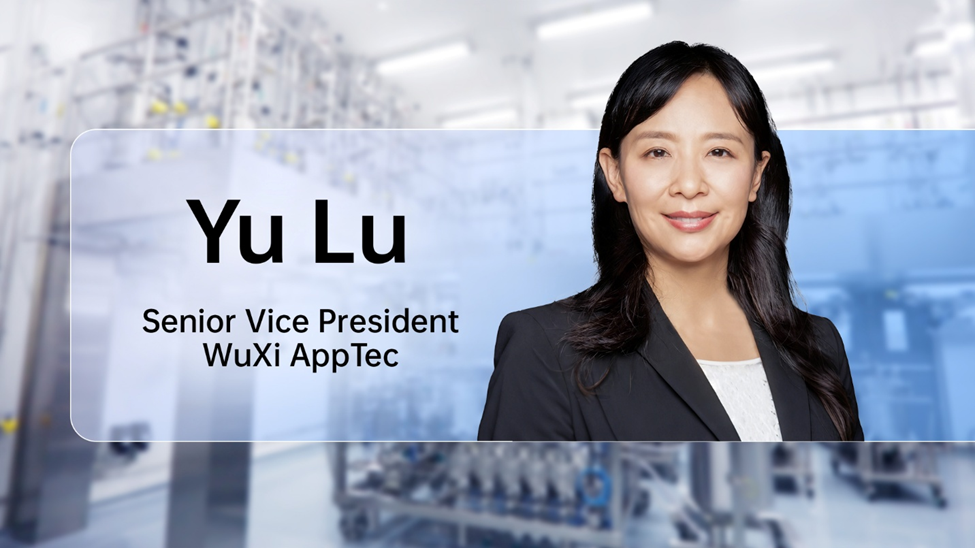
Fierce Biotech:随着创新分子模式不断出现,全球生物医药产业的合作模式也在发生变化。在您看来,医药企业在开展研发与生产合作时,有着哪些变化?
卢羽:一个明显的变化,是医药企业对合作伙伴角色的认识发生了转变。过去,研发和生产合作更多被视为外包服务,而现在则越来越多地被视为一种战略协作关系。这一转变主要由三个关键需求所驱动,即创新疗法的需要、对于全球质量的要求、以及项目开发的速度。
首先,疗法本身正变得更加复杂。随着新药研发的边界拓展至靶向蛋白降解、多肽、寡核苷酸以及复杂偶联物等新型分子类型,相关的研发项目相比以往,也需要更专业的化学能力、全新的生产技术,以及覆盖多个研发阶段的综合经验。在这样的背景下,合作伙伴不仅需要具备执行能力,还需要提供科学洞察和解决问题的能力。
其次,越来越多的企业从立项开始,就在规划未来的全球新药开发计划。这意味着合作伙伴需要在统一的全球质量体系下开展工作,且能够满足不同地区的监管要求,从而确保项目从开发到商业化供应的顺利衔接。
第三,速度在当下也变得尤为关键。客户希望在不牺牲质量的前提下,更高效地推进项目进展,因为每一个项目背后,都有等待新治疗方案的患者。
举一个最近的例子。一家开发复杂双靶点siRNA-GalNAc偶联药物的客户找到我们,希望在8个月内完成支持IND申报所需的完整CMC工作。该项目面临诸多挑战,比如,分子的复杂性导致单链合成、纯化后的产率及纯度均较低。双链的杂质谱复杂且不稳定,为分析方法开发带来不小的挑战。
针对这些问题,我们与客户密切合作,共同寻找解决方案。在合成工艺开发环节,我们的团队凭借丰富的项目经验,快速确定了适用的固载及合成策略,将正义链粗品纯度提升了超85%,最终收率提升了超90%。同时,团队开发出稳健的分析方法,将关键杂质与主峰成功分离。此外,多支内部团队并行推进开发工作,使从原料药到制剂的工艺开发、分析研究和生产准备能够同步开展。最终,我们按时交付了IND申报所需的材料,帮助客户顺利达成关键里程碑。
在这样的背景下,一体化平台的重要性愈发凸显。通过在统一的全球质量体系中打通化学开发、生产制造与供应环节,各团队可以并行推进工作,提前预判研发过程中可能存在的挑战。这样才能保持高质量的同时,更加高效地推进研发项目。
Fierce Biotech:创新治疗模式需要全新的化学和生产技术。药明康德近年来在这些方面建设了哪些新能力?
卢羽:过去几年,我们重点建设了一系列关键技术平台,以解决创新药物开发过程中遇到的技术挑战。
其中一个重要平台是流动化学(flow chemistry)技术。它能实现连续化生产,提升化学反应的控制能力、安全性以及规模化生产效率,尤其适用于复杂反应。另一个关键平台则是生物酶催化技术。通过应用新型酶和超高通量筛选技术,我们能够优化多肽和寡核苷酸这类复杂分子的合成路线。
此外,在多肽和寡核苷酸方面,我们的能力也在不断演进。在多肽领域,我们开发了多种一体化工艺路径,通过将固相合成与液相合成相结合(SPPS–LPPS混合策略)来提升效率;在下游环节,我们根据具体多肽分子的特性和开发需求,灵活采用先进的纯化及API分离技术,如切向流过滤(TFF)、连续流色谱及喷雾干燥,助力提高收率、工艺稳定性和可扩展性。
在寡核苷酸领域,我们同样开发了多种创新工艺技术。比如固相与液相合成(SPOS和LPOS),酶促合成等进一步拓展合成复杂序列的效率;在下游纯化与分离方面,我们采用薄膜蒸发(TFE)、连续流色谱等创新技术,简化下游处理流程、减少工艺步骤。
在此基础上,我们不断强化制剂(DP)能力,以应对递送方面的挑战。在多肽领域,我们支持从临床前到商业化阶段的口服和注射剂开发与生产。截至目前,我们已支持超70个临床前及10多个临床阶段的口服多肽项目开发。在寡核苷酸方面,我们的脂质纳米颗粒(LNP)等递送技术也能有效提升疗效,拓宽药物治疗范围。此外,我们近期在中国及瑞士的多个基地持续提升喷雾干燥产能,更好地助力合作伙伴解决复杂分子在生物利用度方面的挑战。
综合来看,这些能力使我们能够为新分子项目提供从早期开发到商业化生产的一体化支持,帮助客户有效应对疗法的复杂性,也能更高效地推动项目走向患者。
Fierce Biotech:您提到了泰兴和库威的基地。在您看来,药明康德的全球化网络能怎样更好地推进客户的研发项目?能否分享一个具体案例?
卢羽:我们的目标是帮助客户顺利实现从研发到生产的转化,同时保持供应的灵活性和稳健性。而我们的全球化基地,可以通过不同的能力,将新技术转化为可规模化的解决方案,高效推进客户的项目。
例如,前面提到的瑞士库威基地提供口服固体制剂生产以及包装和标签服务,使客户能够向全球市场供应成品药。目前,该生产基地正在支持多款商业化产品,供应瑞士、美国、欧盟、英国、日本、澳大利亚、加拿大、新西兰和中国等市场。同时,全新的PSD-4喷雾干燥生产线预计将于今年第四季度在库威基地投入运行。
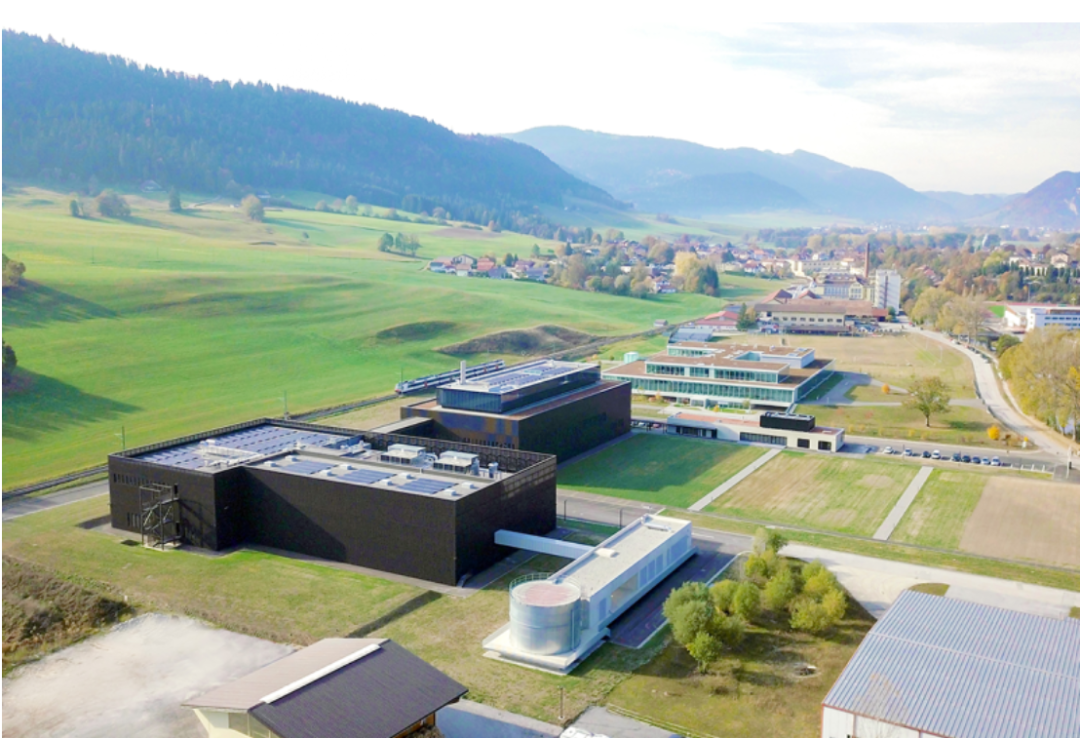
▲药明康德瑞士库威基地
在美国,正在建设中的特拉华州米德尔顿(Middletown)基地,预计也将在2026年第四季度投入运营。届时该基地将具备口服固体制剂生产能力,同时还将提供包装、贴标、配送服务以及分析开发与质量控制检测。2027年,米德尔顿基地还将扩展无菌灌装能力,包括西林瓶、卡式瓶和预充针生产,从而支持寡核苷酸和多肽等创新药物开发。
美国圣地亚哥基地在全球供应网络中同样发挥着重要作用,提供从原料药到制剂的一体化服务,以满足临床供应需求。
与此同时,位于亚洲的生产基地也在持续扩展布局。以泰兴基地为例,该基地目前已投产12个生产车间。此外,两个全新的小分子原料药生产车间预计将在2026年投入运营,而用于寡核苷酸、多肽和PMO生产的两个新车间预计在2027年投产。
我们的新加坡基地也在建设中,同样预计在2027年投入运营,进一步提升原料药全球供应的灵活性,更好地支持小分子及寡核苷酸、多肽药物及相关化学偶联物商业化生产需求。
此外,无锡制剂基地也在持续提升无菌注射剂研发及生产能力。目前该基地配备5条生产线,其中包括1条高活注射剂生产线,年总产能已超过1亿支注射剂,支持西林瓶(水针及冻干粉针)、预充针及卡式瓶的无菌灌装。
这些基地共同构成了一个全球化的一体化平台,使客户可以依托全球网络下的统一质量体系,完成从研发到商业化生产的全流程。通过持续优化全球运营和一体化平台,我们能够满足不断增长的客户需求,同时保持高效和可靠性。
借助全球基地赋能新药开发项目加速推进的故事每天都在发生,这里我想分享一个临床3期项目从客户基地成功转到瑞士库威基地生产的案例。当时,多个团队紧密合作,5个月内快速完成了生产工艺转移和放大。其中,设备产线的兼容性评估、分析方法验证以及原材料和包装材料的采购等,均加速提前完成。最终,通过提前协调规划及无缝平行推进,该项目凭借高效执行得以圆满完成,这使得客户能够按时提交NDA(New Drug Application,新药上市申请),该药已经成功获批上市。
Fierce Biotech:面对如此广泛的全球生产布局,如何确保不同地区始终保持一致的质量与监管合规标准?
卢羽:质量始终是我们所有工作的基础。随着全球业务的不断拓展,确保不同地区之间保持一致的质量标准,是我们的核心重点之一。
为此,我们建立了名为“One Global Quality System”的全球统一质量体系,在所有基地之间统一质量标准、操作流程和培训体系。各基地遵循统一的GMP规范和标准化操作程序,从而确保全球范围内的研发和生产活动都符合一致的质量与监管要求。
这一体系的重要组成部分是全球数字化平台,用于管理质量文件和相关数据。通过从传统纸质体系转向数字化系统,信息能够在不同基地之间实现一致的共享和解读,使各团队在质量要求方面形成统一的理解和执行标准。
这一体系也在实际监管检查中得到了验证。仅2025年,药明康德就接受了741次来自全球客户、监管机构及第三方的质量审计和检查,无严重发现项。这说明我们的质量够硬。
Fierce Biotech:感谢您的分享。展望未来,哪些创新领域最让您感到兴奋?
卢羽:未来几年的药物创新非常令人期待。我们看到多个领域正在迅速发展,持续重塑新药的开发方式。
例如,多肽药物正在改变代谢性疾病的治疗模式,而多肽偶联药物等新型靶向递送技术也在不断拓展精准医学的应用前景。同时,寡核苷酸疗法正从罕见病治疗逐步拓展至心血管疾病和神经系统疾病等更广泛的治疗领域。
这些进展为行业带来了新的机遇,同时也对化学技术、递送方法、生产模式以及供应体系提出了更高要求。
通过持续强化自身能力、建设全球基地、并与合作伙伴紧密协作,我们希望为客户同时提供速度、质量和价值优势,也让更多创新疗法更快惠及全球患者。
How WuXi AppTec’s Integrated Platform Is Helping Therapies Move Faster from Discovery to Patients
Drug discovery is entering a new phase of complexity. From peptides and oligonucleotides to targeted protein degraders and other emerging modalities, many of today’s therapies require advanced chemistry, specialized manufacturing technologies and coordinated execution to move from concept to clinic.
To help innovators address these challenges, WuXi AppTec has built an integrated CRDMO platform that connects discovery, development and manufacturing capabilities across multiple regions. By bringing these functions together within a unified system, the platform enables drug developers to advance programs more efficiently, reduce operational handoffs and move promising therapies toward patients faster.
Recently, Fierce Biotech spoke with Yu Lu, Senior Vice President, Head of WuXi TIDES and WuXi Chemistry Business Operations at WuXi AppTec, about how integrated capabilities, cross-site collaboration and what many clients call “WuXi Speed” are helping advance the next generation of medicines.
Fierce Biotech: As new drug modalities emerge, development and manufacturing partnerships are also evolving. From your perspective, what shifts are you seeing in how pharmaceutical companies approach development and manufacturing collaborations today?
Yu Lu: One of the most significant changes is how pharmaceutical companies view their development and manufacturing partners. What was once treated simply as transactional, outsourcing has increasingly become a strategic collaboration, driven by three key needs: innovation, global quality, and speed.
First, molecules are becoming more complex. As drug discovery expands into modalities such as targeted protein degradation, peptides, oligonucleotides, and complex conjugates, programs require specialized chemistry, new manufacturing technologies, and expertise across multiple stages of development. In this context, partners are expected not only to execute, but also to contribute scientific insight and problem-solving capabilities. Second, more companies are planning for global drug development and launch. This requires partners who can operate under consistent global quality systems and meet regulatory expectations across regions, ensuring a smooth path from development to commercial supply.
Third, speed has become critical. Clients are looking for ways to move programs forward more efficiently, without compromising quality, because behind every program are patients waiting for new treatment options.
Let me share a recent example. A client developing a complex divalent-siRNA-GalNAc conjugate approached us with the need for a complete CMC package to support an IND filing within just 8 months. The complexity of the conjugate led to low yield and purity in single-strand synthesis and purification. Additionally, the impurity profile of the duplex was complicated and unstable, posing significant challenges for analytical method development.
Our approach was to work closely with the client, addressing these challenges collaboratively while leveraging our expertise. Our team, drawing on extensive project experience, quickly identified suitable solid support and synthesis strategies. This increased the purity of the crude sense strand by more than 85% and enhanced the final yield by over 90%. The team also developed a robust analytical method to ensure that key impurities could be separated from the main peak. Simultaneously, multiple in-house teams coordinated development activities from API to drug product, ensuring alignment and progress. As a result, we delivered the necessary materials for the IND filing on schedule, enabling the client to meet their milestones. This is where an integrated platform can make a real difference. By connecting chemistry development, manufacturing, and supply within a unified system, teams can operate in parallel, anticipate challenges, and maintain consistent quality across regions. The result is faster, more reliable progression from discovery to patient access—without compromising the standards required for global development.
Fierce Biotech: To meet the requirement of these new modalities, the underlying chemistry and manufacturing technologies also need to evolve. What are some of the key capabilities WuXi AppTec has been building to support this?
Yu Lu: Over the past several years, we have focused on developing enabling technologies that help address the technical challenges associated with newer drug modalities.
One important area is flow chemistry, which, as you know, enables continuous manufacturing processes that improve reaction control, safety and scalability, particularly for complex or hazardous reactions. Another key capability is biocatalysis. By applying novel enzymes and ultra-high throughput screening technologies, we can streamline synthetic routes for challenging molecules, including small molecules, peptides and oligonucleotides.
Our capabilities in peptides and oligonucleotides also continue to advance alongside the growing complexity of these modalities. For peptides, we have developed integrated process approaches such as combining solid-phase and liquid-phase synthesis (SPPS–LPPS hybrid), enabling greater efficiency and scalability for longer and more complex sequences. Downstream, we apply advanced purification and API isolation technologies such as tangential flow filtration, continuous flow chromatography and spray drying to help improve yield, process robustness, and scalability.
In oligonucleotides, we bring a similarly flexible and integrated approach. Innovations such as thin film evaporation (TFE), continuous flow chromatography help streamline downstream handling and reduce processing steps, while biocatalytic fragment ligation expands the toolkit for constructing more complex sequences.
These advances are complemented by growing drug product capabilities designed to address delivery challenges. For peptides, we support both oral and parenteral drug product development and manufacturing from preclinical through commercial stages. So far, our team has supported over 70 preclinical and more than 10 clinical phase oral peptide projects. For oligonucleotides, delivery technologies such as lipid nanoparticles (LNPs) play a critical role in improving therapeutic performance.
In addition, we recently expanded spray drying capacity across multiple sites in China and Switzerland, helping address bioavailability challenges for increasingly complex molecules.
Together, these capabilities enable us to support new modality programs from early development through manufacturing, helping clients navigate increasing complexity while advancing their programs more efficiently toward patients.
Fierce Biotech: How does WuXi AppTec’s global site footprint support clients as programs move toward manufacturing and commercialization? Could you share a specific example?
Yu Lu: Infrastructure is essential for translating new technologies into scalable solutions. Our goal is to help clients move smoothly from development into manufacturing while maintaining flexibility and operational resilience.
In Couvet, for example, we provide oral solid dosage manufacturing as well as packaging and labeling capabilities, allowing clients to supply finished drug products to global markets. In recent years we have expanded both manufacturing and packaging capacity there to support larger programs and increasing commercial demand. Today, the facility supplies multiple commercial drug products to Switzerland, the United States, European Union (EU), the United Kingdom, Japan, Australia, Canada, New Zealand, and China. A new PSD-4 spray dryer is expected to become operational in Q4 this year.
▲WuXi AppTec’s site in Couvet, Switzerland
In the U.S., our Middletown, Del., campus, is expected to become operational in Q4 of this year. At that time, it will provide oral solid dosage manufacturing capabilities. The site will also offer packaging, labeling, distribution services and analytical development with quality control testing. Sterile fill-finish manufacturing will be available in 2027, and include vials, cartridges and prefilled syringes. These capabilities will support new modalities such as oligonucleotide and peptide drug products. Our San Diego site acts as another critical hub, enabling a seamless, integrated transition from API to drug product manufacturing for clinical supply.
Meanwhile, we continue to expand API manufacturing capabilities at our sites in Asia. There are 12 manufacturing plants currently operational at our Taixing site. Two new small molecule API plants are expected to become operational this year, and two additional plants dedicated to oligonucleotide, peptide and PMO production are currently under construction and scheduled to be operational in 2027.
Our Singapore site, currently under construction and also will be operational in 2027, will further enhance our global API manufacturing network for both small molecule and TIDES drugs.
Our Wuxi City site has continued to expand its sterile injectable formulation and manufacturing capabilities in recent years. Now featuring five injectable lines, including one dedicated to high potency drugs, the site's total annual capacity exceeds 100 million units. These lines support various dosage forms, including liquid and lyophilized vials, pre-filled syringes, and cartridges.
Together, these locations operate as part of a single integrated platform. Instead of coordinating work across multiple vendors, clients can rely on a unified global network with one global quality system that supports their programs from development through commercialization. Through continuous optimization of our global operations and integrated platform, we are able to accommodate increasing demand while maintaining high efficiency and reliability.
One example that comes to mind involved WuXi AppTec’s successful mobilization of our Couvet site to manufacture a drug in Phase 3 clinical trials that the client had handled at its own site before ramping up production. Multiple teams collaborated closely, completing the manufacturing process transition and scale-up within five months. Detailed planning covered equipment compatibility assessments, analytical method validation, and procurement of raw and packaging materials — all completed well ahead of schedule. Through coordinated planning and parallel execution, this project was flawlessly completed through efficient work that enabled the client to submit the NDA (New Drug Application) on time. The drug was subsequently approved for market launch.
Fierce Biotech: With such a broad manufacturing footprint, how do you ensure consistent quality and regulatory compliance across regions?
Yu Lu: Quality is fundamental to everything we do. As our operations have expanded internationally, maintaining consistent quality standards across regions remains a top priority.
To support this, we implemented “One Global Quality System,” which aligns quality standards, procedures and training across all sites. Instead of each location operating under separate local processes, teams follow a shared framework of GMP practices and standardized procedures. This assures that work performed in different regions meets the same expectations for quality and regulatory compliance.
An important part of this system is the use of global digital platforms to manage documentation and quality data. Moving away from paper-based processes allows information to be shared and interpreted consistently across sites, helping teams operate with a common understanding of quality requirements.
This framework has also been validated through regulatory inspections. In 2025 alone, WuXi AppTec underwent 741 quality audits conducted by global clients, regulatory authorities, and independent third parties, with zero critical findings.
Fierce Biotech: Looking ahead, what areas of innovation are you most excited about?
Yu Lu: The next few years will be very exciting for therapeutic innovation. We are seeing rapid progress in several areas that are reshaping how medicines are developed.
Peptide-based medicines are transforming treatment approaches in metabolic diseases, while increasingly sophisticated peptide conjugates and other targeted delivery technologies are expanding the possibilities for precision medicine. At the same time, oligonucleotide therapeutics are moving beyond rare diseases into broader areas including cardiovascular and neurological conditions.
These advances create new opportunities, but they also require new chemistry and drug delivery technologies, manufacturing approaches and supply chain solutions.
Our focus is to continue strengthening our integrated platform so that clients can develop and manufacture these next-generation medicines more efficiently. By combining global infrastructure, new technologies and close collaboration with our partners, we aim to deliver speed, quality and value while helping innovative therapies reach patients around the world.
参考资料:
[1] How WuXi AppTec’s Integrated Platform Is Helping Therapies Move Faster from Discovery to Patients. Retrieved April 20, 2026 from
免责声明:本文仅作信息交流之目的,文中观点不代表药明康德立场,亦不代表药明康德支持或反对文中观点。本文也不是治疗方案推荐。如需获得治疗方案指导,请前往正规医院就诊。
版权说明:欢迎个人转发至朋友圈,谢绝媒体或机构未经授权以任何形式转载至其他平台。转载授权请在「药明康德」微信公众号回复“转载”,获取转载须知。
分享,点赞,在看,聚焦全球生物医药健康创新


