
 五度妙笔
五度妙笔 企业透视镜
企业透视镜 API商城
API商城
 数据库
数据库Google and SpaceX are reportedly in talks to build data centers in orbit
Google and SpaceX are reportedly in talks over data centers in orbit
It's the infrastructure that many big tech companies are investing in
However, there are concerns over how feasible the technology actually is
There's a lot of effort and money going into plans to put
data centers in space
— mostly to meet the growing demands of AI processing — and
Google
and SpaceX are now reportedly in talks to clutter up Earth's orbit even further.
As per
The Wall Street Journal
and "people familiar with the discussions", talks are underway between the two giant tech companies. Google would provide the data centers, and SpaceX would provide the rockets to get them where they need to be.
There's not a lot of other detail here, although the report says Google is discussing its options with "other rocket-launch companies". It's a sensitive time for SpaceX, with an IPO expected in just a few months, and deals like this would certainly do no harm as far as the company's valuation goes.

You may like
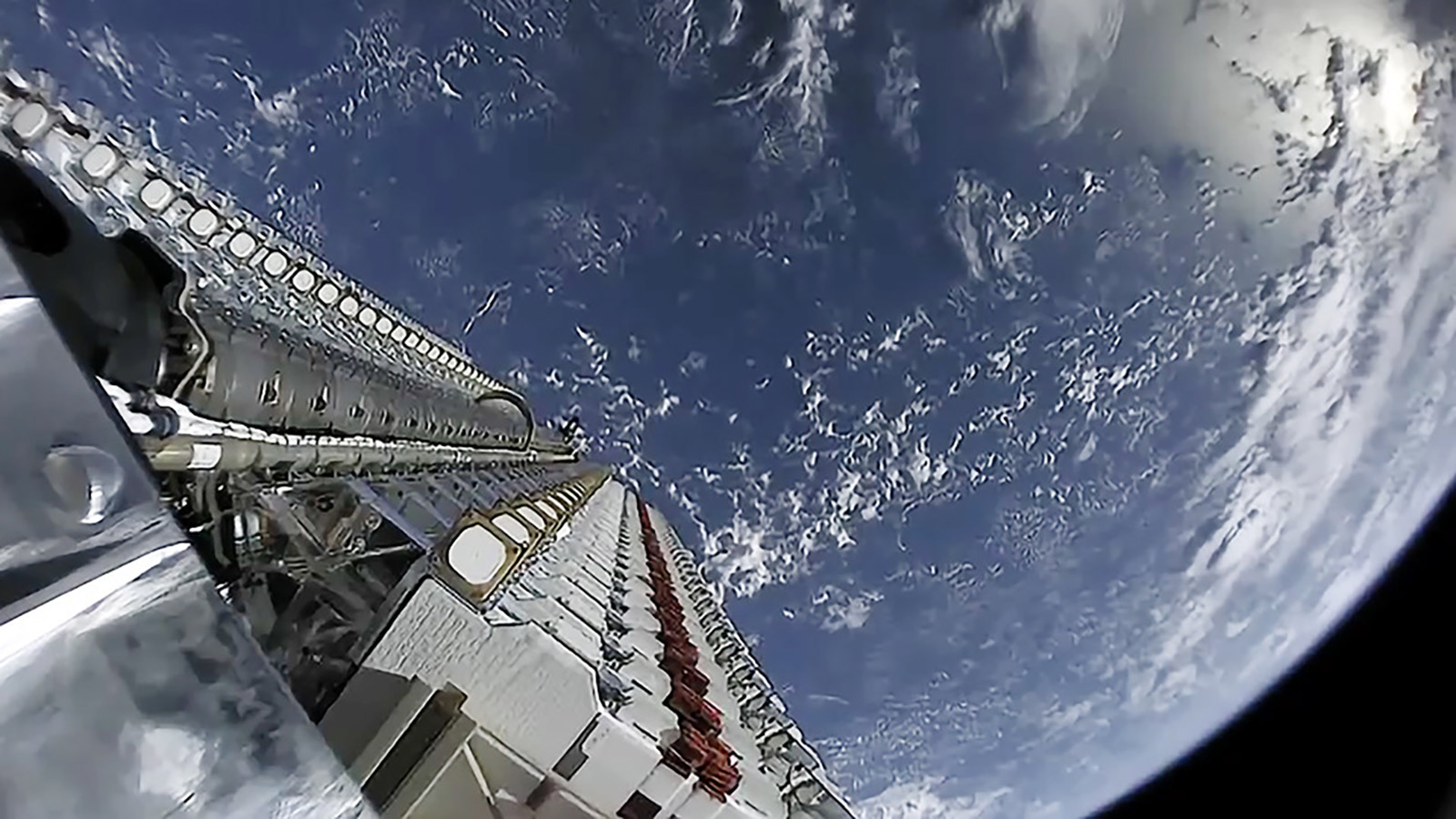
SpaceX warns investors that orbital AI data centers may not be commercially viable
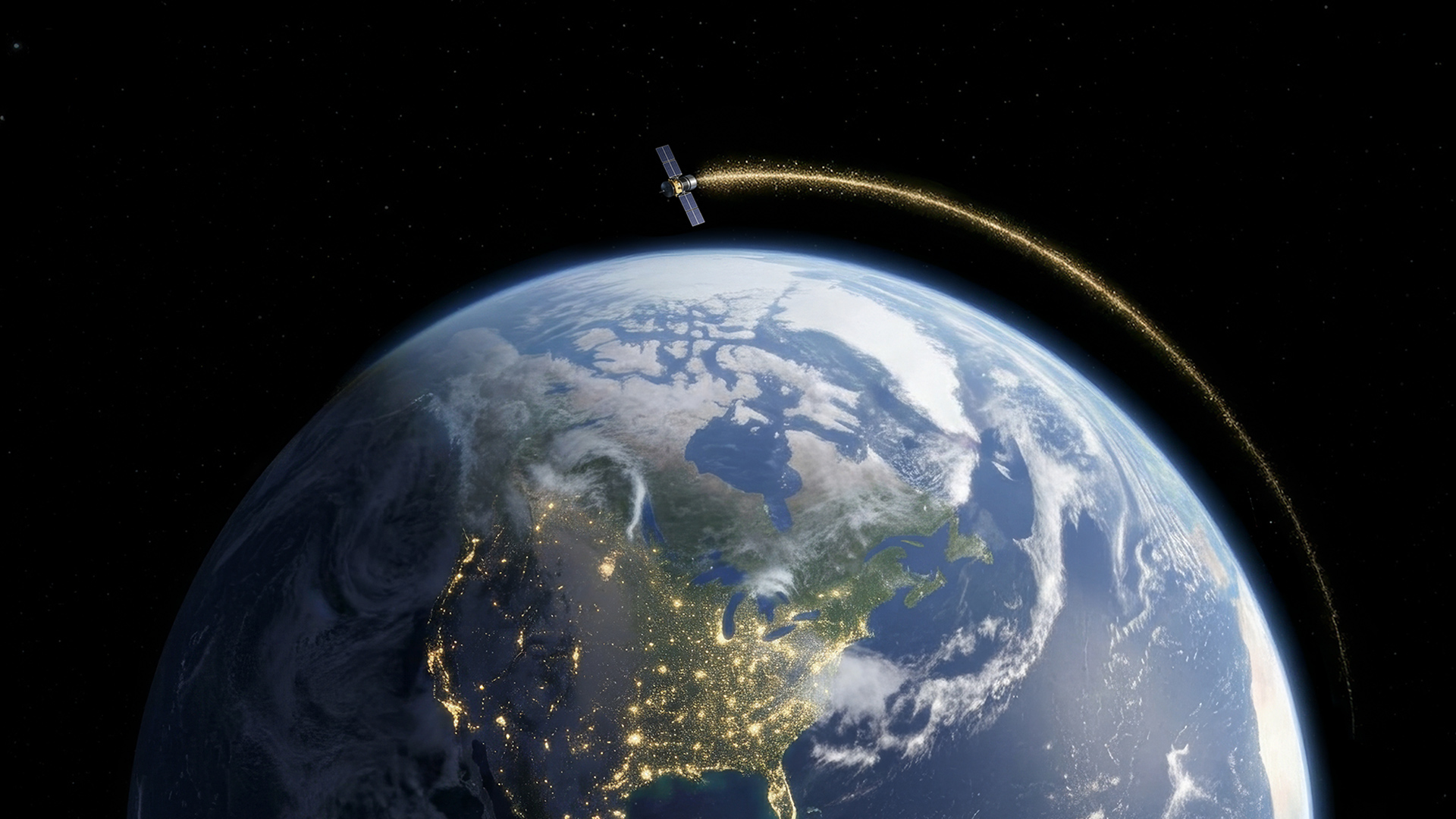
Cisco CEO Chuck Robbins 'absolutely' wants to put data centers in space

Big Tech eyes orbital data centers for "near continuous" solar power
It's also worth noting that Google owns 6.1% of SpaceX. Google has
made no secret
of its plans to put data centers up in space: "There's no doubt to me that a decade or so away, we'll be viewing it as a more normal way to build data centers," Google CEO Sundar Pichai told Fox News in an interview last November.
But can it work?
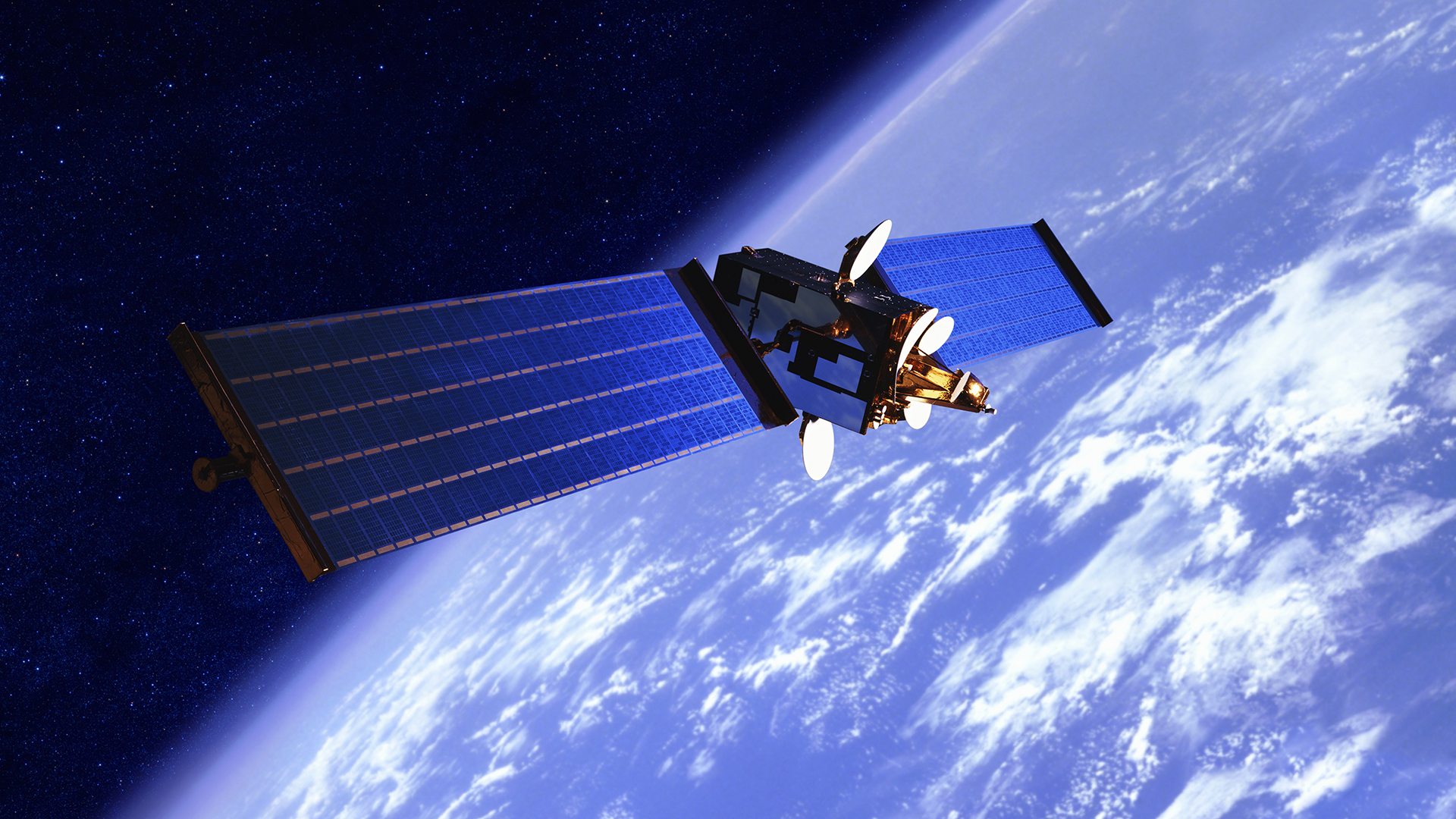
Google has already spoken about data centers in space
(Image credit: Getty Images)
Given that so many big companies are investing in this technology, you'd be forgiven for thinking that it's all ready to go — but that's not quite the case.
As it stands, the tech isn't currently available due to various engineering challenges, and people like OpenAI's Sam Altman
don't think this is a feasible idea
in the short-term.
On the plus side: there's a lot of room up in space (though not quite as much as there used to be),
and a lot of power
, thanks to the constant availability of solar energy. It wouldn't be necessary to disrupt neighborhoods or overload power grids every time a giant new data center needed to be built.
However, this is also incredibly costly and incredibly difficult from a technical perspective. Current data center technology isn't built to withstand the extremes of space, and there's also the question of how repairs can be carried out in orbit.
For those
who fully believe
in the future of the technology, those problems can be overcome given time, funding, and further research. However, it's going to be a while before we see this working at scale.

Follow TechRadar on Google News
and
add us as a preferred source
to get our expert news, reviews, and opinion in your feeds.
➡️
Read our full guide to the best laptops
1. Best overall:
Apple MacBook Air 13-inch M5
2. Best budget:
Apple MacBook Neo
3. Best Windows 11 laptop
Microsoft Surface Laptop 13-inch
4. Best thin and light:
Lenovo Yoga Slim 9i
5. Best Ultrabook
Asus Zenbook S 16


