
 五度妙笔
五度妙笔 企业透视镜
企业透视镜 API商城
API商城
 数据库
数据库OpenAI adds remote access to bring Codex to ChatGPT on mobile devices
ChatGPT mobile app gets new Codex remote control support ahead of desktop "superapp"
Codex weekly users are up from 3m to 4m in just over a month
Mac remote control first, Windows "soon" after
OpenAI is making its
Codex tool
available through the ChatGPT mobile app to let developers remotely manage their coding workflows from their phones wherever they are.
The addition, currently in preview ahead of general availability later this year, effectively makes users' phones a remote for long-running coding tasks that run on PCs and Macs.
It follows a similar recent release by Anthropic, which added
Remote Control to Claude Code
for remote execution from the mobile app, and comes at an important time for OpenAI as it counts more than four million weekly Codex.

You may like
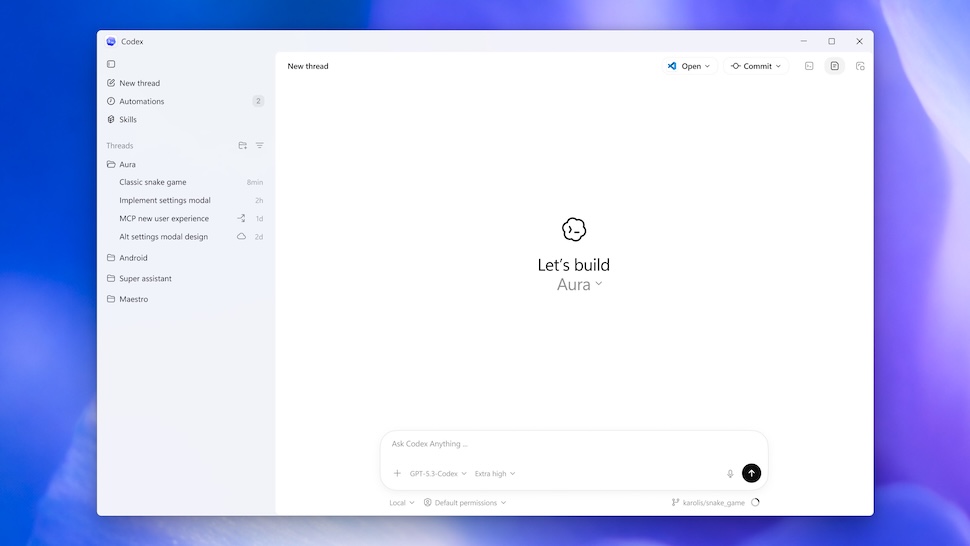
OpenAI releases a Windows version of Codex coding app

OpenAI takes major shot at Claude Code with major workplace updates
OpenAI is making an all-in-one 'superapp' that combines Codex, ChatGPT, and Atlas browser for maximum productivity
ChatGPT app is now a remote control for Codex
Codex's growth alone is happening at a remarkable speed – just a little over a month ago, Chief Revenue Officer Denise Dresser
boasted
of its three million weekly users.
The mobile integration is built within the existing ChatGPT app, rather than shipping as a separate app, as we would have expected. That's because the company has already hinted at an upcoming desktop "superapp" that would combine ChatGPT, Codex, Atlas and other agentic capabilities into one unified experience.
"As agents take on longer-running work, a new rhythm for collaboration is emerging," OpenAI
said
about the new app integration.
With the app, users can review outputs, approve or reject commands, control their selection of GPT model, start brand new coding tasks and more.
"Under the hood, Codex uses a secure relay layer that keeps trusted machines reachable across devices without exposing them directly to the public internet," the company added in a nod to security.
In a similar vein to how OpenAI has rolled out previous apps, the company is taking an
Apple
-first approach by supporting the feature across Mac deployments first, before adding Windows "soon."

Follow TechRadar on Google News
and
add us as a preferred source
to get our expert news, reviews, and opinion in your feeds.


