
 五度妙笔
五度妙笔 企业透视镜
企业透视镜 API商城
API商城
 数据库
数据库世界环境日 | 傅小勇博士谈绿色化学:不止于环保,更赋能高效 | Bilingual
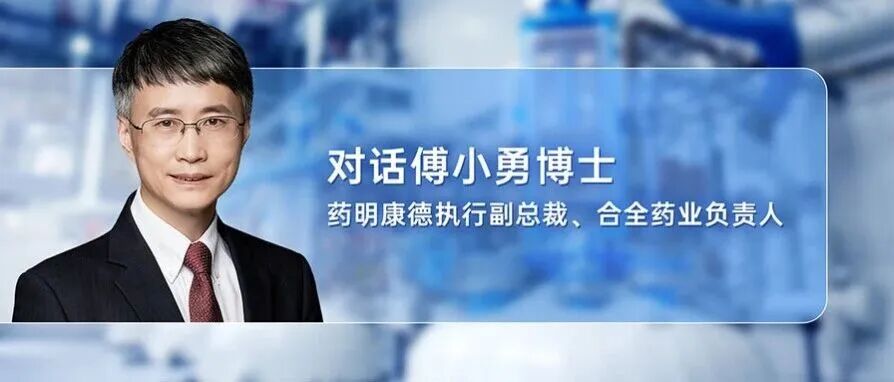
对于现代医药健康产业而言,这是一个充满张力的时代。
一方面,全球新药研发持续提速,前沿科学的突破正不断转化为拯救生命的创新疗法;另一方面,随着药物分子结构日趋复杂,其背后庞大且繁复的化学合成工艺,正对全球的生态环境提出更为严苛的考验。
如何在守护人类健康的同时,降低研发与生产过程对环境的影响?在2026年世界环境日到来之际,这个关乎产业长远发展的命题再次被置于聚光灯下。
过去很长时间里,制药行业的核心竞争力更多聚焦于“能否把药做出来”。而如今,随着全球药企对于研发效率、供应链稳定性以及可持续发展的要求持续提升,“如何更高效、更环保地把药做出来”,正在成为新的产业竞争维度。
这种变化,药明康德执行副总裁、合全药业负责人傅小勇博士已经观察了十多年。自2012年加入药明康德后,他主导建立了包括酶催化、连续化生产等在内的多项绿色化学技术平台。
在傅小勇看来,真正可持续的创新,不只是创造新的药物分子,也包括创造更高效、更环保的生产体系。
近年来,药明康德持续推进绿色化学技术在新药研发与生产中的应用。从酶催化、连续化生产,到电化学、光化学等新型工艺技术,正被纳入其一体化CRDMO(合同研究、开发与生产)平台能力体系之中。
这些能力的积累,不仅支撑了复杂项目的高质量交付,也推动着绿色工艺在产业端进一步落地。
从源头破局的绿色变革
传统的化学合成工艺,往往伴随着大量的溶剂消耗和副产物生成。
“当我们面对结构日益复杂的分子时,如果依然沿用过去的工艺路线,不仅效率会越来越低,环境负担也会越来越重。”傅小勇坦言。
在他看来,真正的绿色制药,并不只是末端治理,而是从研发源头重新思考工艺设计逻辑。
“很多传统工艺默认会产生大量废液,但现在我们会反过来思考:有没有更绿色、更高效的路径去替代它。”
基于这一理念,药明康德近年来持续布局绿色化学能力体系。在研发及生产过程中,通过采用更加环保的反应路线与先进工艺,减少高危试剂与高耗能环节,从源头降低危险废弃物的产生。
更重要的是,这种绿色理念并非局限于某一个技术点,而是被嵌入到“一体化、端到端”的CRDMO平台之中。
从前端工艺研发设计,到临床阶段生产,再到后端商业化制造,绿色化学正在逐步贯穿新药开发全流程。
傅小勇认为,绿色化学最终比拼的并不是概念,而是工业化能力。
“很多技术在实验室阶段都可以成立,但真正难的是放大。”他说,“只有能够稳定放大、实现规模化生产,绿色技术才真正具备产业价值。”
高效与环保并行的“绿色引擎”
酶催化,是药明康德近年来重点布局的一项核心绿色技术。
相比传统化学试剂,酶作为生物催化剂,能够在更加温和的条件下完成复杂反应,同时具备更高选择性,从而减少副反应与额外步骤。
但天然酶并非“拿来即用”,它们在催化活性、稳定性以及底物特异性方面,往往难以满足工业化需求,需要经过大量筛选与定向改造。
作为药明康德化学业务的重要组成部分,合全药业早在2013年便组建了酶催化研发团队。经过十余年积累,现已构建起涵盖酶筛选、酶进化、酶发酵、酶催化工艺开发及放大等全面能力的技术平台,使其成为公司一体化赋能平台的重要一环。
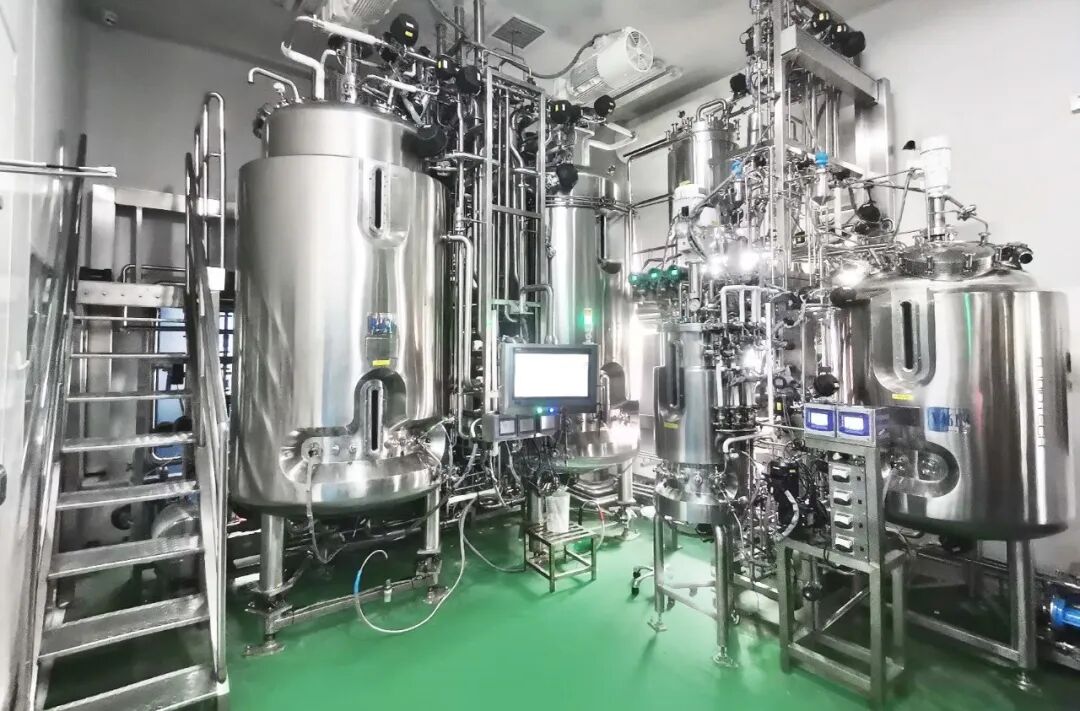
▲合全药业金山基地酶催化车间
截至2025年,其酶催化平台拥有超过3500种可快速筛选的酶,以及超25万个突变体。与此同时,新建成的15000升发酵车间,也使整体发酵产能提升约4倍,能够并行推进多个项目的大规模酶生产。
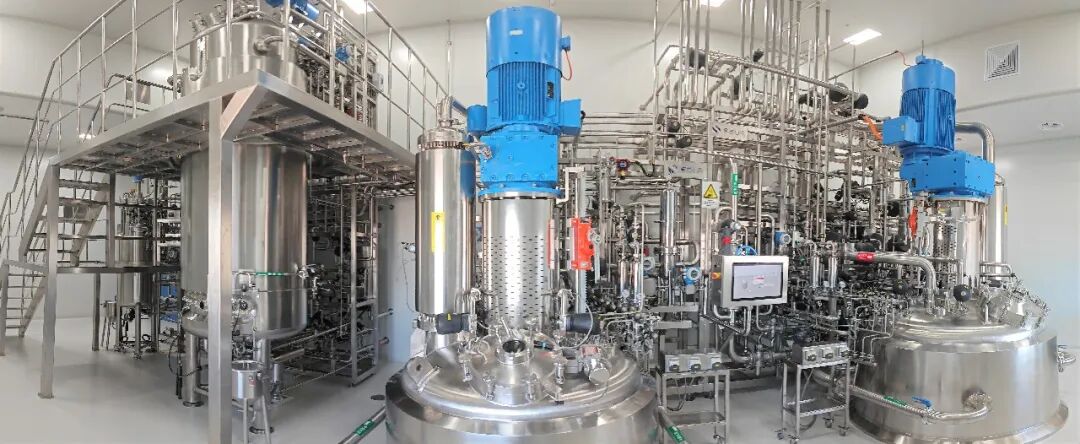
▲合全药业常熟基地酶催化车间
这些平台能力,也在复杂项目中逐渐体现出价值。
据傅小勇回忆,多年前,团队曾接到一个“几乎不可能完成”的复杂分子项目。该分子合成路线长达几十步,初始收率仅为几十个PPM,意味着目标产物产量只有理论值的几万分之一。
面对这一难题,团队重新设计整条合成路线,并引入酶催化技术进行定向优化。最终,合成步骤缩短了十多步,整体收率提升近百倍,让原本“难以成药”的分子重新具备产业化可能。
随着项目推进至后续临床阶段,团队又历时两年多,完成超百轮酶进化,开发出十余种关键酶,将部分酶的平均催化活性提升近千倍,并进一步支撑了商业化生产需求。
工艺优化也正在带来直接的环保效益。
据药明康德2025年可持续发展报告披露,仅2025年,药明康德支持超过60家全球客户在100多个项目中应用了酶催化工艺,减少有机溶剂使用约2000吨。在部分非天然氨基酸与多肽项目中,有机溶剂使用量下降超过90%。
在傅小勇看来,酶催化技术不仅是解决复杂分子合成难题的重要工具,更为化学反应搭载了高效、环保的“绿色引擎”。
打好绿色技术“组合拳”
相比单一技术突破,傅小勇更关注不同绿色技术之间的协同融合。比如,酶催化与连续化生产(亦称“流动化学”)的结合,在他看来更具产业价值。
所谓连续化生产,是以连续流反应装置代替传统的大容量反应釜,将多步反应按时间排序,在一个密闭系统内持续进行。这种方式能更精准地控制反应条件,减少试剂、溶剂与催化剂使用,并降低大规模生产过程中的安全风险。
合全药业早在2014年便开始布局连续化生产技术。目前公司一体化平台已具备超过60类反应的连续化生产能力,并拥有超过35条可满足临床前至商业化需求的连续产线。
“连续化生产代表的是一种新的制造逻辑。”傅小勇表示,“它不仅减少资源消耗,也能显著提升生产稳定性与交付效率。”
傅小勇提到,过去一些复杂分子在工艺放大阶段,往往容易出现批次波动与返工问题,而连续化生产通过更加稳定的反应环境,提高了产品一致性。在工业生产中,高稳定性和低返工率,本身就是对环境资源最大的节约。
据药明康德2025年可持续发展报告披露,仅2025年,公司便支持超过150家全球客户在600多个工艺步骤中应用连续化生产技术,截至年末,通过该技术累计减少超过8000吨废弃物排放。
更重要的是,流动化学正在与酶催化等多种新型工艺技术形成协同效应。
傅小勇举例道,在固载酶工艺中,研究人员将酶固定在特定载体上,再与流动化学体系结合。反应液持续流经载体完成反应,而酶则可以循环利用,从而减少分离步骤,提高生产效率,并进一步降低规模化生产成本。
据傅小勇透露,在一些传统工艺难以突破的复杂分子项目中,这类新技术组合已实现明显减废,并提升整体反应效率。
在前述复杂分子项目中,团队引入连续流氢化技术,让反应物连续通过固定催化剂反应器,在高压条件下实现稳定转化。这一工艺不仅解决了项目放大难题,也推动连续氢化能力进一步走向商业化应用。
此外,公开信息披露,药明康德还在推动光化学、连续电化学等更多新型工艺技术与流动化学平台融合,目前已在100多个不同中间体的放大生产中实现应用。
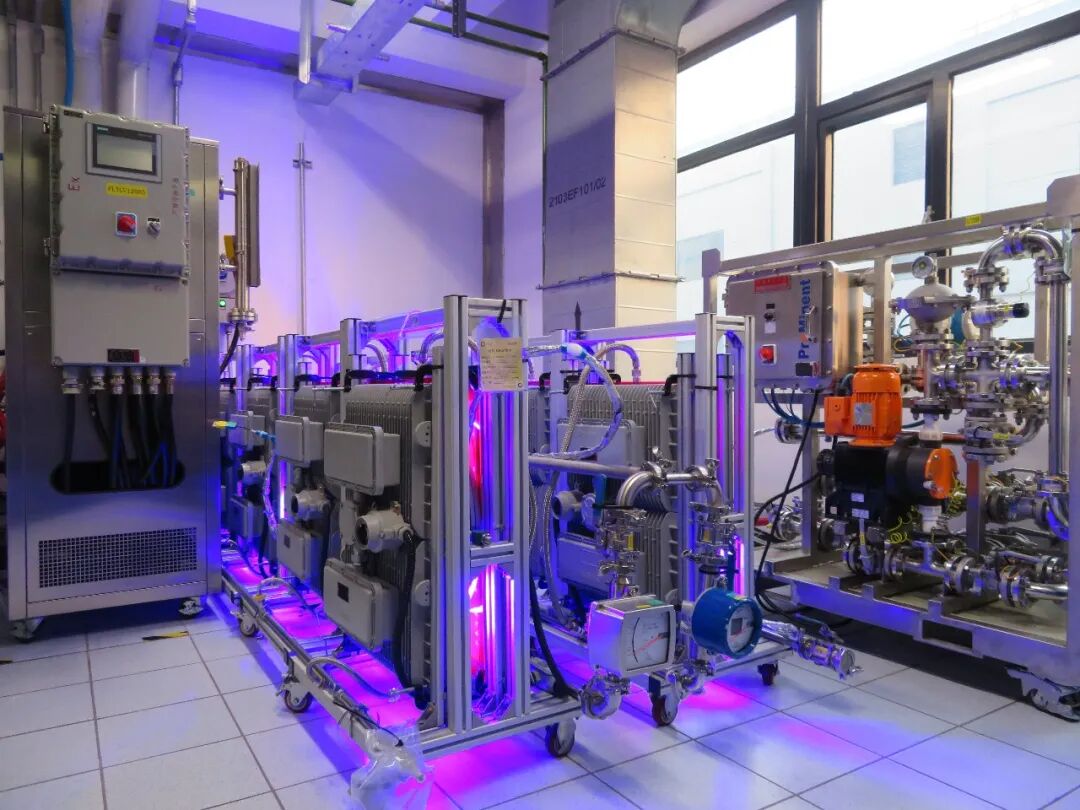
▲流动化学——连续光反应商业化生产线
“很多绿色路线之所以难推广,不是技术本身不可行,而是缺少规模化能力支撑。”傅小勇表示,“我们希望通过平台化能力建设,让这些绿色技术真正进入产业化阶段。”
一场多方共赢的产业升级
药明康德在绿色化学领域的持续深耕,折射出的不仅是一家平台型企业的技术演进,更是整个CDMO产业对于可持续发展的重新理解。
过去,环保与效率往往被视作工业生产中难以兼顾的“二选一”。
但随着绿色工艺逐渐成熟,越来越多产业实践开始证明:绿色化学并不意味着效率牺牲,相反,它正在带来更稳定的生产体系、更低的综合物耗以及更高的交付效率。
“对于创新药研发而言,时间与成本始终是两个关键维度。”傅小勇表示,“我们将绿色化学技术融入CRDMO平台,不仅能够实现节能减排,更能够帮助全球合作伙伴缩短研发周期,降低研发与商业化生产成本。”
在他看来,绿色化学最终带来的,并不仅仅是环保价值,而是一场多方共赢的技术变革。
“药明康德希望用更短的时间、更低的成本赋能新药研发,最终让患者从这些底层技术变革中受益。”傅小勇说道,“通过探索更高效、更绿色的生产方式,我们也希望能够推动小分子CDMO产业持续升级。”
面向未来,医药健康产业的可持续发展注定是一场长跑。作为创新的赋能者,药明康德从未停止对绿色技术与先进工艺的探索。
“技术更迭未有穷期,而对生命的敬畏与对环境的保护将始终并行。”傅小勇在采访的最后表示:“在这场旷日持久的创新挑战中,绿色化学理念的生根发芽,正是药明康德对‘做对的事,把事做好’核心价值观的践行。未来我们也将继续用更绿色、更高效的化学,推动生命创新不断向前。”
Interview with Dr. Xiaoyong Fu: How Green Chemistry Improves Drug Manufacturing Efficiency
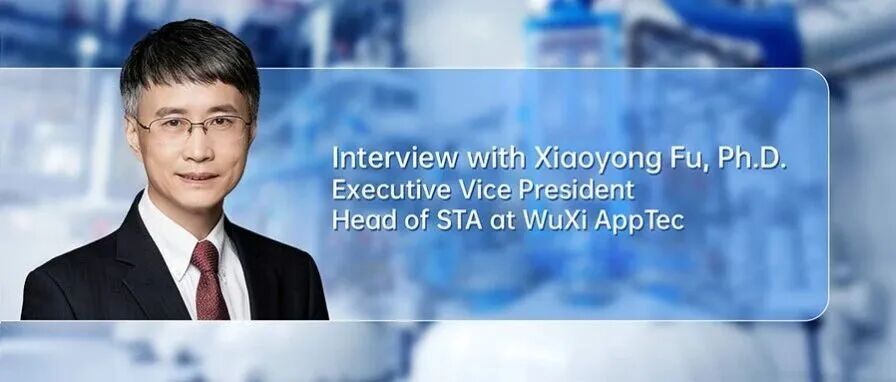
As drug candidates grow more complex, pharmaceutical manufacturing is facing a new constraint: not whether a molecule can be made, but how efficiently it can be produced at scale.
That shift is reframing the conversation from a focus on efficiency in process development and manufacturing to one that places sustainability at the very core of strategy.
For Dr. Xiaoyong Fu, Executive Vice President of WuXi AppTec and Head of WuXi STA, the change reflects a broader redefinition of what “good chemistry” looks like in modern drug development.
“It is not just about efficiency in how complex molecules are developed and manufactured,” Dr. Fu said. “Green chemistry is more about sustainability.”
Since joining WuXi AppTec in 2012, Fu has overseen the development of multiple green chemistry platforms within the company’s integrated CRDMO model, including biocatalysis, continuous manufacturing, and other enabling technologies embedded across process development and production.
These capabilities have strengthened the company’s ability to deliver increasingly complex projects, while also contributing to the broader adoption of lower-impact manufacturing processes across the industry. Seen through the lens of its technological evolution, the company’s trajectory offers a window into how green chemistry is beginning to reshape pharmaceutical manufacturing—driving a shift toward processes that aim to reconcile efficiency with environmental constraints.
Rethinking Chemistry at the Route Design Stage
Traditional manufacturing has long depended on solvent-heavy, multi-step synthetic routes that generate significant waste.
As molecular complexity increases, those inefficiencies compound.
“When you are dealing with more complex molecules, continuing to rely on traditional synthetic routes leads to lower efficiency and greater environmental burden,” Fu said.
For him, the key shift in green chemistry is timing. It is no longer about downstream waste treatment, but upstream design.
“In the past, many processes were built with the assumption that waste generation was unavoidable,” he said. “Today, we ask a different question — can we design a better route from the outset?”
That thinking has shaped WuXi AppTec’s approach to process R&D. Rather than treating green chemistry as a standalone initiative, the company is embedding it into its integrated and end-to-end CRDMO platform — from early route scouting through clinical development to commercial manufacturing.
A consistent theme runs through Fu’s view of the field: scalability.
“Many technologies work at laboratory scale,” he said. “The real challenge is whether they can be implemented reliably at an industrial scale. Only then do they create real value.”
Biocatalysis as an Industrial-Scale Green Platform
One of the most important building blocks in WuXi AppTec’s green chemistry strategy is biocatalysis.
Enzymes offer significant advantages over traditional chemical catalysts: higher selectivity, milder reaction conditions, fewer side products, and often shorter synthetic routes.
But industrial application is far from straightforward.
Natural enzymes rarely meet manufacturing requirements without extensive optimization. Their stability, activity, and substrate scope typically need to be engineered through screening and directed evolution.
WuXi STA established its biocatalysis team in 2013. Over more than a decade, it has built a full platform spanning enzyme screening, evolution, fermentation, enzymatic process development and scale up.
▲Enzyme Fermentation Plant at the Jinshan Site
By 2025, the platform included more than 3,500 enzymes available for rapid screening and over 250,000 engineered variants. A new 15,000-liter fermentation facility further expanded capacity roughly fourfold, enabling parallel scale-up of multiple programs.
▲New Enzyme Fermentation Plant at the Changshu Site
Fu pointed to one particularly challenging molecule as an example of how the platform has been applied.
The original synthetic route required dozens of steps and delivered yields measured in tens of parts per million.
The team redesigned the route and introduced biocatalytic steps to streamline the synthesis. More than ten steps were eliminated, and overall yield improved by nearly 100-fold, transforming a previously impractical molecule into a viable development candidate.
As the program advanced, the team spent more than two years conducting over 100 rounds of enzyme evolution, developing more than ten key enzymes and improving catalytic performance by up to roughly 1,000-fold in certain cases.
The environmental impact has also been measurable.
According to WuXi AppTec’s 2025 sustainability report, more than 60 global clients used biocatalytic processes across over 100 projects in 2025, reducing organic solvent use by approximately 2,000 tons. In some peptide and non-natural amino acid programs, reductions exceeded 90%.
In Dr. Fu’s view, enzyme catalysis is not only an important tool for addressing complex synthetic challenges, but also a key driver that makes chemical reactions more efficient and environmentally sustainable.
Integrating Green Technologies for Greater Impact
Fu argues that the biggest gains in sustainable manufacturing will not come from isolated technologies, but from integration.
A key example is the combination of biocatalysis with continuous manufacturing, also known as flow chemistry.
Continuous manufacturing replaces batch reactors with systems that enable reactions to proceed continuously in a controlled flow environment. This improves process control, enhances safety, and reduces solvent and reagent use.
WuXi AppTec began investing in continuous manufacturing in 2014. Today, its platform supports more than 60 types of continuous-flow reactions and includes over 35 production lines spanning preclinical and commercial manufacturing.
“Continuous manufacturing represents a different way of thinking about manufacturing,” Fu said. “It improves stability while reducing resource consumption.”
In batch manufacturing, scale-up often introduces variability that leads to failed batches, rework, and inefficiencies. Continuous systems reduce those fluctuations by maintaining steady-state conditions.
“In manufacturing, reducing rework is itself a form of sustainability,” he said.
According to the company’s 2025 sustainability report, continuous manufacturing technologies were applied across more than 600 process steps for over 150 global customers in 2025, reducing waste by more than 8,000 tons.
Integration is now extending further.
In immobilized enzyme systems, enzymes are fixed onto solid supports and reused within flow reactors, reducing separation steps and improving efficiency.
Fu said these hybrid approaches are already helping address bottlenecks in molecules that were previously difficult to manufacture using conventional chemistry.
Fu further explained that continuous-flow hydrogenation enabled stable conversion under high-pressure conditions in a fixed-bed catalytic reactor, improving scalability and advancing the program toward commercial production.
WuXi AppTec is also applying photochemistry, electrochemistry, and other emerging technologies within its flow chemistry platform, already used in the scale-up of more than 100 intermediates.
▲Flow Chemistry – Commercial-Scale Continuous Photochemistry Production Line
“Many green technologies are not limited by scientific feasibility,” Fu said. “They are limited by scalability. That is what WuXi AppTec’s integrated capabilities are designed to solve.”
From Sustainability Initiative to Industry Shift
WuXi AppTec’s continued investment in green chemistry reflects more than the evolution of a single technology platform. It also mirrors a broader shift in how the CDMO industry is beginning to think about sustainability and manufacturing performance.
For years, environmental protection and operational efficiency were often treated as competing priorities in pharmaceutical manufacturing. But as green process technologies mature, that assumption is starting to change.
Increasingly, companies are finding that greener manufacturing approaches can also improve process robustness, reduce material consumption, and enhance delivery efficiency.
“For innovative drug development, time and cost remain two of the most critical factors,” Fu said. “By integrating green chemistry technologies into our CRDMO platform, we are not only helping reduce energy use and waste generation, but also helping global partners accelerate development timelines and lower both development and commercial manufacturing costs.”
In Fu’s view, the long-term value of green chemistry extends beyond sustainability itself.
“What it ultimately enables is a more efficient and collaborative model for pharmaceutical innovation,” he said. “Our goal is to help partners advance new medicines faster and more cost-effectively, while allowing patients to benefit from these underlying technology advances.”
He added that continued exploration of greener and more efficient manufacturing technologies will also play an important role in the ongoing evolution of the small-molecule CDMO sector.
Looking ahead, Fu sees sustainability in pharma manufacturing as a long-term process of continuous improvement rather than a fixed endpoint.
“Technology will continue to evolve,” he said. “But respect for life and responsibility for the environment must always move forward together. Green chemistry is one way we put that into practice — by doing the right thing, and doing it right.”
免责声明:本文仅作信息交流之目的,文中观点不代表药明康德立场,亦不代表药明康德支持或反对文中观点。本文也不是治疗方案推荐。如需获得治疗方案指导,请前往正规医院就诊。
版权说明:欢迎个人转发至朋友圈,谢绝媒体或机构未经授权以任何形式转载至其他平台。转载授权请在「药明康德」微信公众号回复“转载”,获取转载须知。
分享,点赞,在看,聚焦全球生物医药健康创新


