
 五度妙笔
五度妙笔 企业透视镜
企业透视镜 API商城
API商城
 数据库
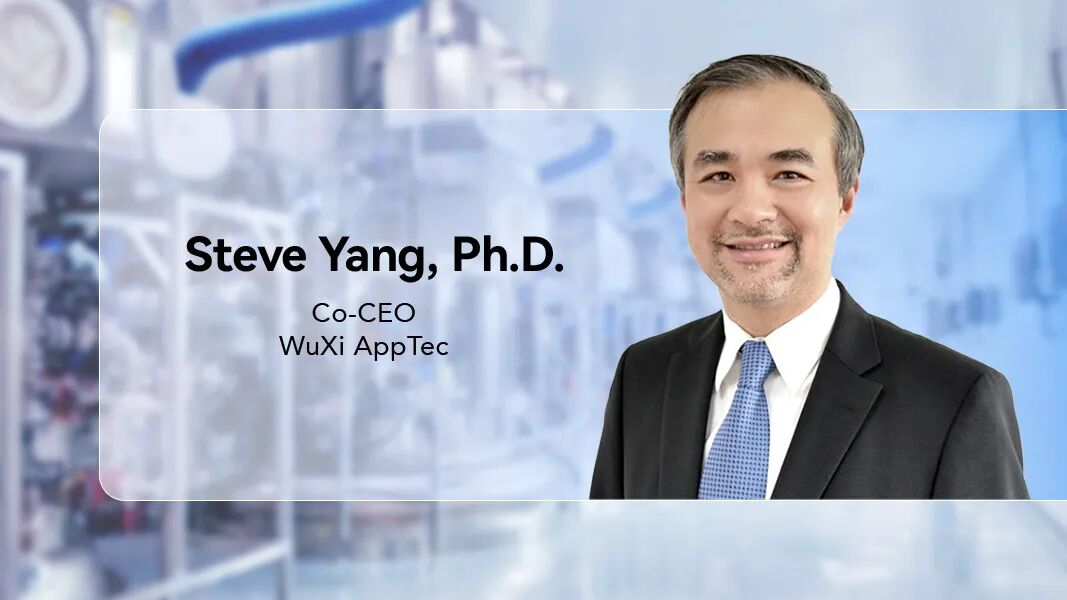
数据库药明康德Co-CEO杨青博士:如何打造更具韧性的生物医药创新体系
当前,生物医药产业正在快速迭代变化。一方面,新靶点、新技术、或是新分子疗法的涌现,无形中增加了新药研发的复杂性;另一方面,外部环境的风云变幻,也在某种程度上为产业带来了一丝不确定性。在这种复杂性和不确定性中,产业想要保持创新势头,做到“反脆弱”,“韧性”二字是关键。
近日,药明康德联席首席执行官杨青博士在行业媒体Fierce Biotech上围绕这一话题分享了他的思考:生物医药产业的脆弱性由何而来?如何能让创新研发保持高效?展望未来,生物医药产业又需要做好哪些准备?杨青博士指出,唯有打造一个更具韧性的创新体系,才能“千磨万击还坚劲,任尔东西南北风”,在复杂性和不确定中找寻到锚点,持续加速创新落地,造福病患。
以下是报道全文,点击“阅读原文/Read More”即可访问原文页面。
Fierce Biotech:无论是新药研发本身的复杂性,还是资本市场、国际贸易环境带来的变化,都给产业带来了“不确定性”。但与此同时,生物医药创新的脚步并没有停滞不前。您认为这说明了什么?
杨青博士:我认为这恰恰体现了生物医药产业自身的韧性。
的确,新药研发所处的环境正在变得越来越复杂。但我们也需要看到,新药研发从来都是一项长期事业,一款创新疗法从最初的科学构想到最终惠及患者,往往需要数年,甚至数十年的持续探索和积累。
以PROTAC(PROteolysis TArgeting Chimera)为例。今年早些时候,全球首款PROTAC药物获批上市,但如果回溯这一技术的发展历程,此类分子的最初概念早在近30年前就已经出现。自2016年起,药明康德便开始支持PROTAC等靶向蛋白降解疗法的研发,也因此有机会近距离见证该领域的一路发展——我们见过市场对于PROTAC分子的热情,也见过产业对于这种想法的怀疑。PROTAC分子的理化特性并不遵循传统小分子药物研发中的“里宾斯基五规则”(Lipinski's Rule of Five),因此给成药性带来了许多全新的挑战。靶向蛋白降解究竟能不能成为一种可行的治疗手段?在PROTAC技术发展的早期,这个问题始终悬在所有人的心头。
即便有这样的不确定性,新药研发人员、生物科技公司、大型医药企业以及研发服务机构也没有裹足不前。大家在这一全新的领域持续投入,不断试错,在一次次迭代中加深对科学的理解,并持续优化技术和研发方法。这一路并不平坦,但最终,一个极富想象力的科学构想,逐渐发展成为一类全新的药物,惠及患者。在我看来,这正是生物医药产业“韧性”最真实的体现。
Fierce Biotech:您刚才提到了“韧性”。从药明康德赋能全球大量新药研发项目的经验来看,今天的新药研发,最脆弱、最需要韧性的一环在哪里?
杨青博士:产业在谈到“脆弱性”时,往往首先关注像关税、供应链、或是地缘政治变化这样显而易见的外部因素。这些当然都很重要。但从我们服务成千上万个研发项目的经验来看,新药研发的脆弱性,其实并不完全来自外部因素,而是来自一个更为深层的问题——将前沿科学突破转化为创新疗法的过程,正变得越来越复杂。
20年前,新药类型主要还是小分子和单克隆抗体。如今,创新药的范畴已经拓展到多肽、寡核苷酸、抗体偶联药物、靶向蛋白降解剂、细胞疗法,以及越来越多的新分子疗法。有意思的是,当下新药研发人员所面临的挑战,不再仅仅限于“能不能找到一个有潜力的分子”——很多时候,我们已经发现疾病背后的生物学机制,并做出了验证。在我看来,真正的难点,在于我们能不能高效地把这些生物学发现转化成新药。换句话说,这个转化过程中所需的开发和生产能力,成了新的瓶颈。
在多肽和寡核苷酸疗法领域,这一趋势尤其明显。这些创新疗法有望解决部分靶点难以成药的问题,但对工艺开发、分析表征、特殊起始物料的获取、以及专业化生产能力都提出了更高要求。很多时候,产业“一边开飞机,一边造飞机”:在推动产品快速进入临床、迈向商业化的同时,还在摸索和建立适用于这些新分子类型的开发路径和技术体系。
科学本身越来越复杂之外,企业今天还需要面临资本效率的挑战。尽管有潜力的科学项目依然能够获得资助,但投资人正变得更加谨慎,也更加关注企业能否高效获得关键数据、达到重要里程碑,并最终创造价值。
这也改变了我们对“速度”的理解。过去,所谓快,更多是把已经成熟的流程做得更快;但今天的快,需要在有限的研发周期里,解决过去没有遇到过的科学和技术难题。也就是说,在资本更加注重效率的今天,科学和技术复杂性的影响,会被进一步放大,给企业带来压力。
由于新药研发变得愈发复杂,很难有企业能够掌握所有的解决方案。因此,合作正在变得越来越重要。在我看来,这也是生物医药产业降低脆弱性、增强韧性的关键。合作已经不再是一个可选项,而是创新本身不可或缺的“支持体系”。
Fierce Biotech:您提到合作对创新而言不可或缺。在您看来,生物医药产业所需的这种“支持体系”,应该是什么样的?
杨青博士:过去几十年,科技行业给了我们一个很重要的启示:很多基础能力往往需要提前建设和布局,才能在需求到来之时迅速发挥作用。生物医药产业也同样如此。等到一种新分子疗法真正成为主流之后,再开始补齐所需的能力,已经来不及了。所以我们理解的“支持体系”,并不只是厂房、设备这些有形资产,更重要的是围绕未来创新进行长期、前瞻性的投入。
以我们位于美国特拉华州米德尔顿的基地为例。随着越来越多的创新分子进入后期开发和商业化阶段,整个产业对制剂开发和生产能力的需求也会持续增加。在需求到来之前提前投入,就能确保那些有潜力的研发项目走到关键阶段时,有足够的产能进行承接,而不会因为资源不足而放慢创新的脚步。
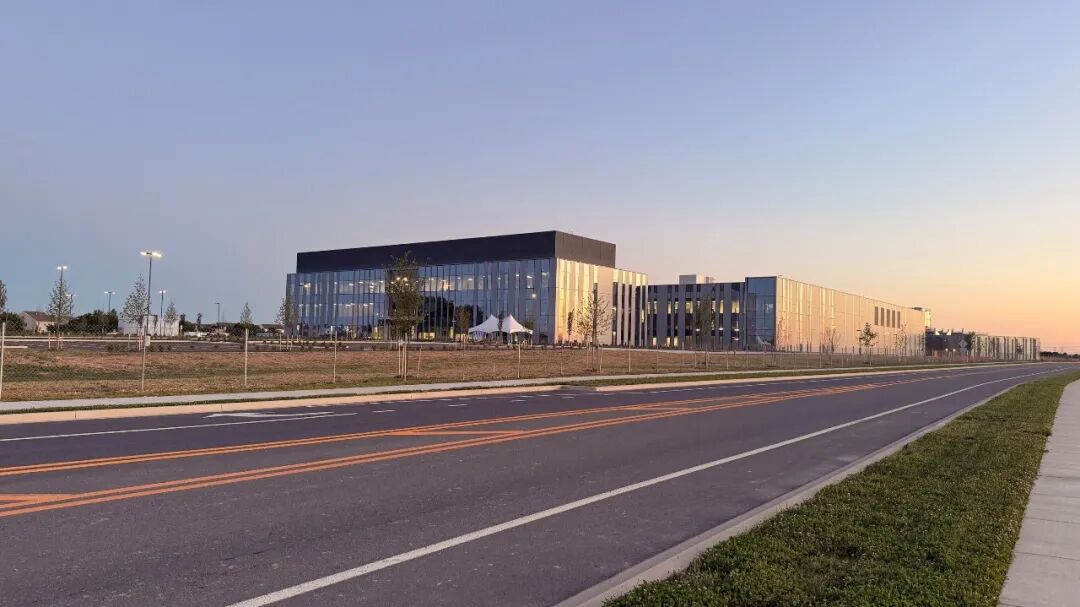
▲药明康德位于特拉华州米德尔顿的基地
我们还意识到,这种支持体系不仅要提前建设,建设的速度也必须足够快。过去,一座车间从建成到完成产能爬坡、达到稳定运营状态,往往需要22个月以上。也就是说,一个新的生产车间要接近两年时间,才能真正释放全部产能。对于一个快速变化的产业来说,这显然不够高效。
为了解决这个问题,我们做了两方面的改变。首先,我们建立了一套完整的内部培训体系,让新员工能够更快掌握所需的技术能力、积累实际操作经验,达到我们的质量生产标准。其次,依托药明康德的全球规模和网络,在一个新基地启动时,我们可以轻易调集100多名富有经验的技术人员、工程师和专业生产人员提供支持。
通过这些方式,过去需要两年的爬坡过程,已经可以缩短到几个月。这意味着客户向前推进项目时,不必再等待产能准备就绪。当他们的项目跨越关键节点,进入新的阶段,我们早已具备了相应的赋能体系,可以随时提供支持。这就是我们为产业所打造的具有韧性的“支持体系”。
Fierce Biotech:您前面提到能力建设、支持体系以及全球协同的重要性。在如今的新药研发中,哪些因素最能决定一个项目能否最终成功?
杨青博士:速度和质量依然是决定新药研发成败的两个关键因素。但和过去相比,今天同时做到“又快又好”要难得多。
20年前,新药研发的很多路径相对更加标准化。如今新药研发的挑战已经不只是做好每一个环节,而是要在整个研发周期中,快速协调来自不同专业领域的能力和资源。因此我认为,决定成功率的一个重要因素,在于能否实现真正的一体化研发。
以小分子为例。自2021年以来,分子量超过600 Da的化合物占比增长了60%以上;与此同时,对于那些合成路线较长的分子,平均合成步骤也增加了22%。
初看之下,这似乎只是说明化学合成变得更难了。但在我看来,这本质上是一个“一体化”的问题——随着分子越来越大、结构越来越复杂,项目能否顺利推进,不仅取决于新的合成方法,还取决于是否具备与之匹配的定制化分析方法、更先进的纯化策略、制剂开发能力、工艺开发能力,以及最终规模化生产的能力。
这些问题需要化学家、分析科学家、工艺工程师、制剂专家以及生产团队从项目早期就开始协同,及时共享信息、共同判断风险,并尽可能在问题出现之前就进行解决,降低项目的风险。
此外,还有一个因素经常被忽视。它可能不像新靶点、新分子类型等那么受关注,但对于成功同样必不可少,那就是配套先进的仪器和设备,拥有高水平的分析和纯化能力。如果缺少合适的技术平台和专业经验,就很难分析复杂分子的特性,也很难做出关键的研发决策。很多时候,这些平台能力的质量和规模,决定了一款候选分子能否高效研发,走向患者。
Fierce Biotech:在今天的对话中,您多次提到,生物医药产业当前最大的挑战已经不只是发现创新,而是如何把创新真正转化出来。展望未来,您认为产业还需要做出哪些改变,才能跟上创新发展的速度?
杨青博士:药明康德的愿景是“让天下没有难做的药,难治的病”。我们之所以特别强调“没有难做的药”,是因为这件事比很多人想象中更难。
在我看来,产业发展的瓶颈并不是缺乏创新。新的科学发现依旧层出不穷,但很多富有潜力的分子类型,带来了前所未有的制剂、开发和生产挑战。因此产业在未来真正需要解决的问题,是如何把越来越复杂、越来越前沿的科学创新,真正转化成可开发、可生产、最终可惠及患者的药物。
之前我提到过PROTAC疗法。其实很多新一代小分子药物,也同样面临着口服生物利用度的问题。随着小分子变得越来越大、结构越来越复杂,制剂已经成为决定研发成败的一个关键因素,而解决之道在于喷雾干燥和热熔挤出这样的全新技术,以及知道如何应用这些技术的专业人士。
多肽和寡核苷酸疗法也有类似的趋势。这些新分子具有很强的可编程性,有望带来更精准、更为个体化的治疗。但与此同时,它们在开发和生产上的复杂程度也远高于传统小分子。为了发挥它们的潜力,新药研发人员可能需要把这些分子与抗体或是其他功能性载荷进行偶联,或是将它们包裹进脂质纳米颗粒。每一层额外的设计,就会带来一系列新的技术问题。如果这些问题不能被逐一解决,再好的科学构想也很难真正走到患者身边。
从某种意义上说,创新始于发现,成于执行。所以我认为产业未来不仅要找到科学上的突破,更要确保每一个充满潜力的创新想法都能最终转化落地。诚然,重大的科学突破更容易被聚光灯捕捉,但很多时候,恰恰是这些看起来不那么耀眼的开发和生产能力,决定了一个创新想法最终能不能变成造福病患的药物。
Building Resilience for the Future of Biopharma Innovation
At a time when parts of the biotech sector continue to face growing scientific complexity and an accelerating pace of innovation, resilience has become a defining theme across the industry.
One common misconception today is that resilience is primarily about geographic duplication or supply chain redundancy. Those things matter, but they are only part of the equation. According to Dr. Steve Yang, Co-CEO of WuXi AppTec, true resilience means having systems that can continue advancing innovation as science evolves and the external environment changes, without sacrificing speed or quality.
In a conversation with Fierce Biotech, Steve discusses why complexity has become the industry's biggest source of fragility, how infrastructure and integrated execution can help innovators keep pace with the science, and what is needed in the next era of biopharma innovation.
Fierce Biotech: There is a lot of discussion today about uncertainty, whether in scientific complexity, capital markets, or trade. Yet innovation continues to move forward. What do you think that tells us?
Steve Yang: I think it reflects the resilience of the industry itself. It is true that the environment surrounding drug development is becoming more complex, but drug development remains a long-term endeavor measured in years, sometimes decades.
Take PROTACs as an example. The first PROTAC medicine was approved earlier this year, but the original concept of heterobifunctional degraders emerged nearly three decades ago. Since 2016, we have been building capabilities to support PROTACs and other emerging modalities, which has given us a front-row seat to the field's evolution. Along the way, we have seen periods of excitement, skepticism, and uncertainty. There were fundamental scientific questions about whether targeted protein degradation could become a viable therapeutic approach, mainly because it’s beyond the “Rule of Five”.
Yet researchers, biotech companies, pharmaceutical companies, and service providers continued to invest, learn, and refine the science. Over time, what began as an intriguing idea evolved into a new class of medicines that can benefit patients, despite technical challenges, changing market conditions, and inevitable setbacks along the way. To me, that is what industry resilience looks like.
Fierce Biotech: You mentioned the word “resilience.” From your vantage point working across a large number of global programs, where do you see the biggest points of fragility in drug development today?
Steve Yang: I think the industry often focuses on the visible sources of fragility — supply chain continuity, capital availability, regulatory timelines. Those issues matter, but from what we see across thousands of programs, the biggest fragility in drug development today is not external disruption. It is the growing complexity of turning scientific breakthroughs into medicines.
Twenty years ago, much of the industry focused on small molecules and monoclonal antibodies. Today, innovation involves peptides, oligonucleotides, antibody-drug conjugates, targeted protein degraders, cell therapies, and many other emerging modalities. What is interesting is that the scientific challenge is no longer limited to discovering a promising molecule. In many cases, the biology has already been identified and tested, or even validated. The challenge is whether the industry can efficiently translate that biology into medicines. In other words, our ability to generate innovation is advancing faster than our ability to develop and manufacture it.
We see this trend particularly clearly in areas such as peptides and oligonucleotides. These modalities are generating tremendous excitement because of their potential to address previously difficult targets. But they also require highly specialized process development, analytical characterization, access to specialized starting materials, and manufacturing infrastructure. In many cases, the industry is still building the playbook while simultaneously trying to advance products into the clinic and toward commercialization.
Beyond the science itself, companies are also operating in an environment that increasingly emphasizes capital efficiency. Capital remains available for compelling science, but investors are becoming more selective and focused on how efficiently companies can generate meaningful data, reach key milestones, and create value. This has changed the meaning of speed. Historically, speed often meant executing established processes more quickly. Today, speed is about solving new scientific and technical challenges within development timelines that have not become any less demanding. In many ways, capital discipline amplifies the consequences of scientific sophistication.
As complexity increases, no single organization is likely to have all the answers. That is why collaboration is becoming more important than ever. To me, that is how the industry can avoid fragility and build resilience in the next era of biopharma innovation. Beyond being an option, collaboration is becoming part of the infrastructure required for innovation itself.
Fierce Biotech: You describe collaboration as part of the infrastructure for innovation. In practical terms, what does that infrastructure look like today?
Steve Yang: One lesson from technology is that infrastructure often needs to be built before it is fully utilized. The same is becoming true in biopharma. By the time a modality becomes mainstream, it is often too late to start building the capabilities required to support it. That is why we think about infrastructure not simply as physical facilities, but as a long-term investment in future innovation.
Take our Middletown, Delaware site as an example. As more molecules advance toward late-stage development and commercialization, the industry will need greater drug product development and manufacturing capacity. By investing ahead of demand, we can help ensure that sufficient capacity is available when promising programs reach critical stages.
▲WuXi AppTec's site in Middletown, Delaware
Another thing we have learned is that infrastructure must be built fast. I remember when a typical plant ramp-up took more than 22 months. In other words, it could take nearly two years for a new facility to reach full operational capacity. We knew that was not efficient enough for an industry moving at today's pace.
To address this, we made two important changes. First, we built a comprehensive in-house training system that enables new employees to quickly develop the technical skills and operational experience needed to work effectively within our quality and manufacturing environment. Second, because of our scale, we can mobilize experienced teams across the organization. It is not unusual for us to deploy more than 100 technicians, engineers, and manufacturing professionals to support the launch of a new facility.
As a result, we can now often complete the same ramp-up process in just a few months. More importantly, this means our clients do not have to wait for capacity to become available before advancing their programs. When they are ready to move forward, we are often ready to support them immediately. This is how we build resilient infrastructure for the industry.
Fierce Biotech: You've described the importance of capabilities, infrastructure, and global coordination. What do you think will be the key determinants of success in today’s drug development?
Steve Yang: Speed and quality still matter in determining success in drug development. What has changed is how difficult it has become to achieve both at the same time.
Twenty years ago, development pathways were often more standardized and predictable than they are today. The challenge today goes beyond executing individual tasks well. It requires coordinating expertise across multiple disciplines and moving quickly throughout the development cycle. As a result, I think one of the most important determinants of success today is the ability to execute in an integrated way.
Let me give you an example. If we look at small molecules, the proportion of compounds larger than 600 Da has increased by more than 60% since 2021, while the average number of synthesis steps for long-route molecules has increased by 22%.
At first glance, those may sound like chemistry challenges. But in my view, they are really integration challenges. As molecules become larger and more sophisticated, success depends not only on new synthetic methodologies, but also on customized analytical approaches, advanced purification strategies, formulation expertise, process development, and scalable manufacturing solutions. No single discipline can solve these challenges alone. We need chemists, analytical scientists, process engineers, formulation experts, and manufacturing teams to work together from the beginning, sharing insights and anticipating challenges before they become costly delays later in development.
There is another aspect that is often overlooked because it is not always the most exciting topic, but it’s important to build sophisticated analytical and purification capabilities with cutting-edge instruments and equipment. Without the right technologies and expertise, it becomes difficult to characterize complex molecules and make confident development decisions. In many cases, the scale and quality of those platforms can determine how efficiently a molecule advances toward patients.
Fierce Biotech: Throughout our conversation, you've argued that the industry's biggest challenge is no longer discovering innovation, but translating it. Looking ahead, what do you think the industry must do differently to keep pace with the science?
Steve Yang: WuXi AppTec’s vision is “Every drug can be made, and every disease can be treated.” The reason we emphasize the “can be made” part is that it is often much harder than people realize.
I think the industry's next challenge is not generating more innovation, but learning how to translate increasingly sophisticated innovation into medicines. Scientific discovery continues to advance rapidly, but many of the most promising modalities also present entirely new formulation, development, and manufacturing challenges.
I mentioned PROTACs earlier. Many of the next-generation small molecules face similar challenges related to oral bioavailability. As molecules become larger and more complex, formulation can become a critical determinant of whether a therapy ultimately succeeds. Addressing these challenges increasingly requires new technologies such as spray dried dispersion and hot melt extrusion, as well as the expertise to apply them effectively.
I see a similar trend in peptides and oligonucleotides. These are highly promising and increasingly programmable modalities with the potential to enable more precise and personalized therapies. At the same time, they are often far more complex to develop and manufacture than traditional small molecules. Developers may need to conjugate them to antibodies, link them to other functional payloads, or formulate them within lipid nanoparticles. Each additional layer of sophistication introduces new technical challenges that must be solved before patients can benefit.
In many ways, innovation advances through discovery, but it reaches patients through execution. That is why I believe the industry's next challenge is not only discovering what is scientifically possible, but also ensuring that every promising innovation can actually be made. This work may not receive the same attention as a scientific breakthrough, but it is often what determines whether an innovative idea ultimately becomes a medicine.
免责声明:本文仅作信息交流之目的,文中观点不代表药明康德立场,亦不代表药明康德支持或反对文中观点。本文也不是治疗方案推荐。如需获得治疗方案指导,请前往正规医院就诊。
版权说明:欢迎个人转发至朋友圈,谢绝媒体或机构未经授权以任何形式转载至其他平台。转载授权请在「药明康德」微信公众号回复“转载”,获取转载须知。
分享,点赞,在看,聚焦全球生物医药健康创新


