
 五度妙笔
五度妙笔 企业透视镜
企业透视镜 API商城
API商城
 数据库
数据库当创新药越来越复杂,真正拖慢项目的是什么?| 媒体声音 | Bilingual
编者按:创新药行业最稀缺的能力,已经不是“把分子做出来”,而是“在变化中把分子做出来”。在世界制药原料展(CPHI)米兰展会前夕,药明康德高级副总裁、小分子原料药后期和商业化项目业务部负责人陈珂博士接受了医药行业媒体Fierce Pharma的专访。这将是她第四次出席CPHI,而这一次,她眼中的行业图景,已与往昔截然不同。
当下,原料药(API)的开发与生产正承受着前所未有的多重压力:开发周期持续压缩、分子结构日趋复杂、监管要求不断演变,供应体系的稳定性也被行业提至前所未有的高度。与此同时,药企与生物技术公司对研发生产服务合作伙伴的期待,已远超执行力本身——他们更看重经验积淀、灵活应变,以及真正可落地的解决方案。
在这场深度对话中,陈珂博士回顾了近年来行业的深刻变革,剖析了复杂药物分子背后的生产挑战、全球供应网络需要怎样的抗风险能力,并展望了未来五年原料药生产的演进方向。
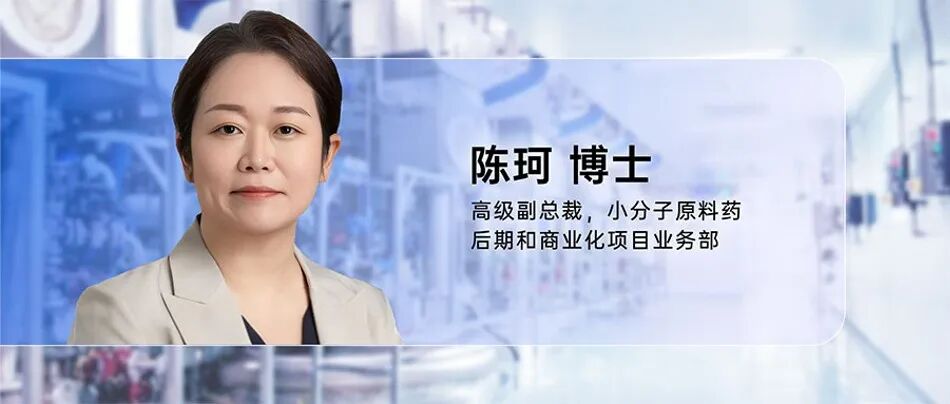
Fierce Pharma:在本届CPHI米兰展会上,您认为行业将围绕哪些主题展开讨论?
陈珂博士:我认为今年有两个关键话题将贯穿始终:加速上市与供应保障的稳定性。
加速上市并非新话题,但它的紧迫感正在显著升级。五年前,行业已在追求更高效的项目推进方式;而今天,这种压力来自更多方向。一方面,未满足的临床需求,让突破性疗法加速落地成为迫切期待;另一方面,融资环境的变化,也让一些生物技术公司在资金到位后,必须迅速启动或加速项目进程,以抢占先机。
授权交易、战略合作或并购同样会重塑项目节奏。一个原本按常规步伐推进的项目,一旦有新合作方的介入,就会迎来战略调整——无论是进入新市场、调整临床方案,还是压缩整体时间表。这些变化,对原料药的开发与生产提出了全新要求。
另一个重要议题,则是供应链的韧性。它一直都很重要,但过去几年,宏观环境的不确定性、监管政策的持续调整、环保合规压力的不断加大,以及全球供应网络的波动,都让医药公司愈发重视这一块的发展,并使其审视生产布局的合理性与可持续性。
最近与客户的沟通中,我发现相关讨论变得越来越务实。客户不会简单问我们“供应链是否有韧性”,而是会问“这个计划是否足够贴近实际,能够在变化中真正落地?是否有充足产能?能否灵活转移工艺?能否在不牺牲质量或进度的前提下,快速响应突发需求?”这些具体的需求,也反映了产业思考方式的变化。
因此,我认为今年的两大主题,正是“加速上市”与“可落地的供应韧性”。后者不仅只停留在纸面设计上,更需经得起现实考验。而这,也正是我们一直在做的事。

图片来源:123RF
Fierce Pharma:药物开发者始终需要在速度、成本与质量之间寻求平衡。如今,供应体系的稳定性与灵活性又成为新的优先事项。研发生产服务机构在实践中应如何统筹这些需求?
陈珂博士:我不认为这些要素必然相互冲突。挑战是有,但它同时也正是推动行业不断前行的动力所在。
我们看到,CMC团队与供应链团队正以非常务实的方式应对这一课题。他们与内部生产团队及外部合作伙伴紧密协作,针对每个项目的具体情况,量身定制解决方案。
以孤儿药为例。这类项目往往时间窗口极窄、资金有限,患者群体又小。在提交上市申请前,药企可能只有有限的机会做生产批次。如果把大规模、常规项目的路径照搬过来,往往行不通。
这时,监管机构也能发挥关键作用。例如,同步验证(concurrent validation)允许药企与生产合作伙伴分阶段推进:在获批前尽可能积累生产与质量方面的认知,只要相应承诺和安排到位,部分验证工作可延续到商业化阶段完成。
这正是行业在多重优先事项之间寻找动态平衡的一个缩影。关键是在每一个重要的节点,结合现实,做出务实且明智的选择,快速推进的同时,不影响到质量。

图片来源:123RF
Fierce Pharma:过去五到十年,随着原料药生产合作模式不断演进,业界对研发生产合作伙伴的期望发生了怎样的变化?
陈珂博士:如今,客户所寻求的,早已超越一双能执行既定任务的“手”。他们需要的,是一个能真正提供解决方案的合作伙伴。这一点,在过去十年的行业演变中变得愈发清晰。
在药明康德,我们有幸深度参与众多不同类型的项目,也因此得以看清行业的完整脉络:不同公司如何推进开发,监管要求如何持续迭代,项目时间表突然变动时又该如何从容应对。这些一线的经验沉淀,塑造了我们的视角,也实实在在地转化为客户能感知到的价值。
这种价值,未必是惊天动地的创新,而在于一种来自经验的判断力,让我们能够在关键时刻对客户说:“类似的情况我们见过,这条路行得通,这几点您需要特别权衡。”
当然,方向永远由客户来定。但我始终相信,一个值得托付的原料药合作伙伴,不该只是等待指令,而应能够将经验转化为洞察,将洞察带入讨论。拥有解决问题的能力,以及因项目而宜的灵活应变力,正成为药企选择合作伙伴时真正的核心考量。
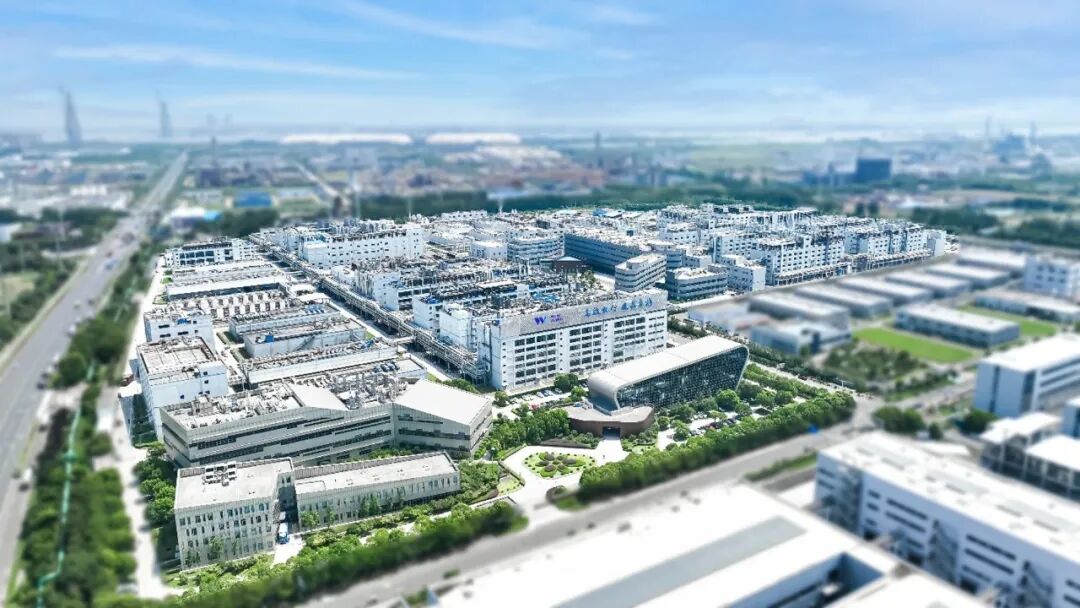
▲药明康德常州原料药基地
Fierce Pharma:这些预期之所以发生变化,部分原因在于分子本身正变得愈加复杂。以小分子药物为例,如今的分子量更高,合成路线更长。随着新一代小分子从发现阶段迈入开发与商业化阶段,您认为当前最大的生产瓶颈在哪里?
陈珂博士:挑战是全方位的。在发现阶段,科学家可以发挥极大创造力,能在毫克或克级规模上制备高度复杂的分子,完成纯化并迅速推进。但一旦进入更大规模或后期开发阶段,一些曾经看似可控的分子,就会将真正的难题摆到桌面上。
第一关是可放大性上。实验室里可行的路线,放大到生产规模未必行得通。第二是质量控制,你必须建立一套完整且可控的质量控制策略,让监管机构信服;与此同时,上游原料端的复杂性也在上升。如何在成本可控的前提下,稳定获得高质量原料,并满足对潜在基因毒性杂质(PGIs)、亚硝胺等杂质控制的监管要求,这本身就是一门学问。此外,稳定性是另一个不容忽视的问题。某些化合物、中间体乃至原料药本身就不够稳定,而随着规模放大,这种不稳定性带来的挑战越会被放大。
而且,瓶颈往往不止于原料药。以蛋白降解靶向嵌合体(PROTACs)为例,其中一些分子的分子量接近1000。原料药已经够棘手了,但在某些情况下,制剂开发反而可能成为制约整个项目推进的关键环节。
即便工艺、质量、制剂都打通了,复杂分子所带来的全链条协同难题依然存在。我们曾参与过一个靶向蛋白降解剂项目,该项目最初涉及五家不同供应商:起始物料、粗品原料药、最终原料药、喷雾干燥分散体、制剂——而且它们分布在不同国家和地区。即便不考虑工艺或质量层面的挑战,仅物流本身就可能显著拉长项目周期:运输、方法转移、清关以及跨供应商协调,仅这些环节叠加起来,就可能将时间线延长六个月到一年。
后来,客户把整个链条整合到药明康德的一体化平台上,在同一质量体系下完成原料药、喷雾干燥分散体和制剂的开发与生产。最终,我们帮助客户大幅度缩短时间线,也有效降低了多次交接所带来的风险。
所以,今天的挑战已不仅是技术问题,它考验的是工艺控制能力,更是在复杂分子时代,构建一套高效协同的供应体系的能力。
Fierce Pharma:您提到韧性是行业核心的优先事项之一。一个真正坚韧的供应体系在实践中应具备哪些特征?仅靠地域多元化是否足够?
陈珂博士:地域多元化是必要的,但并非韧性的全部。在我看来,真正的韧性,来自工艺本身的稳健性,从原料药到制剂,再一路延伸至上游源头。分子越复杂,就越需要真正理解并掌控进入工艺的每个环节。
我举一个实际案例。近年来,不少生物技术公司与国际大药企建立管线合作,这类合作为全球新药开发带来新机遇,也带来了新的供应布局难题。
有一家公司已在中国成功上市一款重要药物,原料药和制剂均通过药明康德子公司合全药业进行开发和生产。后来,该客户公司与一家欧洲药企达成合作,以支持其全球拓展。
合作达成后,局面变了。原本为中国市场设计的供应体系,已无法支撑新的全球开发计划。上游还有一个棘手问题——这家公司此前一直依赖另一家供应商提供某关键原料,但该供应商未能达到新合作方的质量预期。两个问题叠加,我们必须同时破解。
我们与新合作方及原公司紧密协作,将更大规模的生产产能引入药明康德的常州和泰兴基地,以支持不断增长的临床及潜在商业化需求。同时,我们依托自身的原料生产基地,将关键原料和注册起始物料纳入供应体系,使该项目能够满足新合作方更高的质量要求。
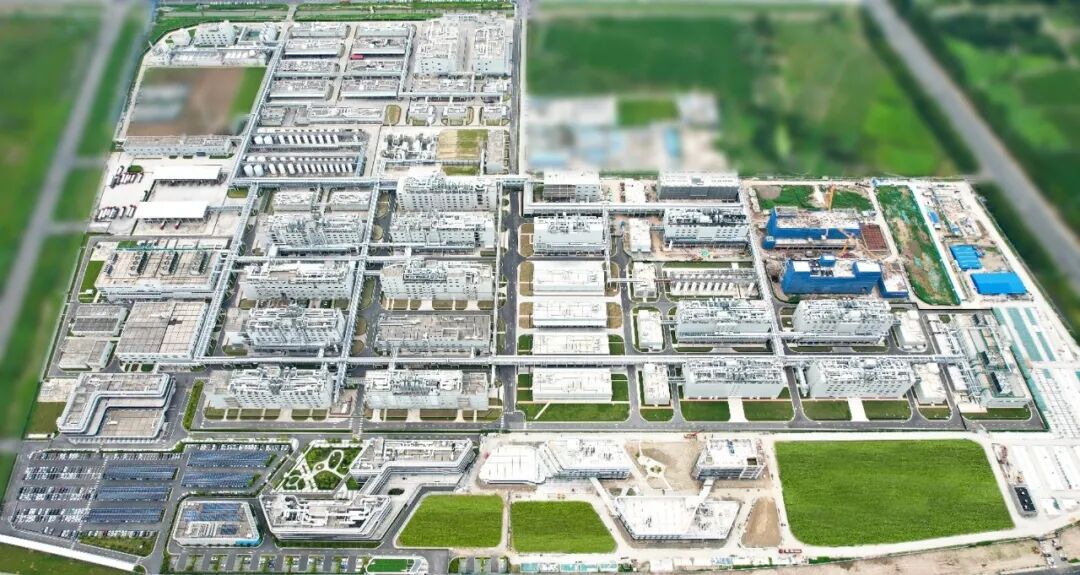
▲药明康德泰兴原料药基地
这项工作仍在推进中。但我认为,这正是供应韧性的真实写照。它不只是在地图上多一个点,而是在开发战略转向、新合作方介入,或质量与监管要求升级时,能够迅速响应、灵活调整的能力。
Fierce Pharma:感谢您分享这些见解!展望未来五年,您认为原料药生产的哪些方面会与今天显著不同?另一方面,哪些领域的变化可能并未达到人们的普遍预期?
陈珂博士:这是我最喜欢的一个问题。展望这样一个充满活力的领域,想象它未来可能发生的变化,本身就令人兴奋。
我认为最大的变化将来自科学和新技术的交汇。科学始终是我们一切工作的核心。今天在发现和临床阶段,我们都看到了突破,那些曾经被视为“不可成药”的靶点,正在变得可成药。随着科学持续演进,越来越多复杂分子和新型分子被开发出来,以应对尚未满足的临床需求。
这反过来将推动新生产技术的更广泛应用。不仅是流动化学或酶催化,还包括电化学、光化学等前沿技术,也可能在未来数年内从实验室走向规模化应用,成为行业的重要工具。
因此,未来五年最让我感到振奋的变化之一,就是看到这些技术如何走向更广泛的应用与商业化,帮助行业以更高效、更可持续的方式,生产越来越复杂的分子。
但与此同时,一些底层原则并不会因技术浪潮而改写。原料药生产始终是一门关于控制的学问,背后的分析工作、对原料规格、溶剂、潜在基因毒性杂质和亚硝胺的严格关注,以及贯穿始终的质量源于设计(quality-by-design)理念,这些都是不可动摇的基石。
科学会演进,技术会迭代,但深入理解工艺、扎实控制质量背后的努力工作,始终是原料药生产的核心命题。这一点不会改变。
点击“阅读原文/Read More”即可访问原文页面。
How is API Manufacturing Changing?
Editor’s Note: As Dr. Ke Chen prepares to attend CPHI in October, the industry looks markedly different from the one she saw just a few years ago.
API development and manufacturing are under mounting pressure resulting from faster development timelines, more complex molecules, evolving regulatory expectations and a renewed focus on supply-chain resilience. And pharma and biotech companies are asking more from their manufacturing partners beyond execution, demanding experience, flexibility and practical solutions as well.
Ahead of CPHI Milan, Fierce Pharma spoke with Dr. Chen, Senior Vice President of API Late Phase Development and Commercialization at WuXi AppTec, about the changes she has seen across the industry, the manufacturing challenges behind increasingly complex medicines, what a resilient supply chain really requires, and where API manufacturing may be headed over the next five years.
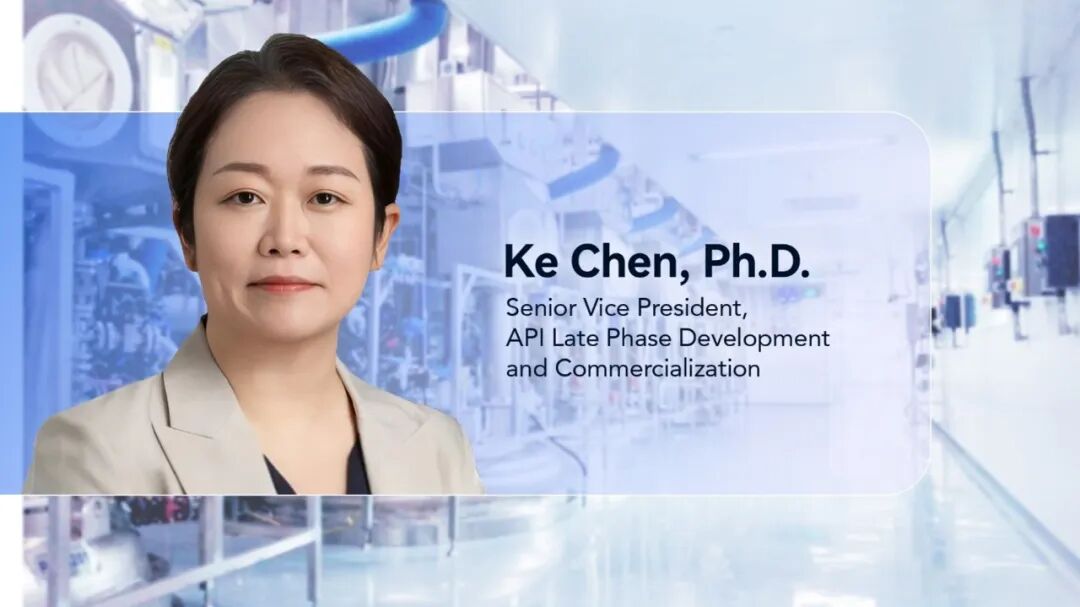
Fierce Pharma: As the industry heads into CPHI Milan, what topics will dominate among pharma companies and manufacturers this year? From your perspective, what has changed most in the API business over the past few years?
Ke Chen: The whole field has been going through a lot of dynamic changes. First of all, speed. I think this has been a key theme for the whole field for maybe the past five years. Over the past year or so, I have seen even greater pressure, and it is coming from all fronts.
It is not only driven by unmet clinical needs, where new drugs may move through accelerated development and approval; it also comes from the funding environment. For some biotech companies, funding has not been very stable. Development of an important drug may be paused, and then when funding becomes available, there is suddenly a need to pick up speed and push forward quickly.
Co-development and M&A are another major factor. Often, we see a drug being developed at a normal pace, but then a new partner comes in with a different strategy, a different target market, or perhaps a slightly different clinical design, creating a new need for speed.
Another increasing trend I see is the emphasis on supply-chain resilience. Supply-chain resilience has always been a focus for this field, but it is becoming almost mandatory for customers as well as CRDMO partners such as WuXi AppTec. I think the key change is that people are becoming more pragmatic. You need to have a practical, down-to-earth plan that can actually be executed in a timely fashion. That is the shift I see.
So those are the two areas I would highlight. You could call them new trends, or you could call them evolving priorities, but speed and supply-chain resilience are clearly the focus.
Image source: 123RF
Fierce Pharma: You mentioned speed and the funding pressure some companies are facing. Traditionally, people talk about the “impossible triangle” of cost, speed and quality. Now supply-chain resilience has become another priority. Do you see these objectives beginning to conflict with one another? And when you talk about having a practical, down-to-earth plan, what does that mean in practice?
Ke Chen: I don’t think they necessarily conflict with each other. Our customers, especially their CMC and supply-chain specialists, are very resourceful. They work closely with the manufacturing partners, whether those are internal teams or external partners such as WuXi AppTec, to come up with pragmatic solutions. They need to address timeline concerns, funding constraints and the increasing pressure around supply-chain resilience.
Phase-appropriate development has been a key theme for the industry. If you do it the right way, together with practical decision-making, a stage-wise approach can be very effective.
Orphan drugs are a good example because they highlight many of these challenges. Funding can be an issue, but at the same time, the development timeline is often very tight. The developers may not have many opportunities to run manufacturing batches before they need to push toward market approval. The number of batches available for the initial filing can also be limited.
In these situations, regulatory authorities such as FDA and EMA provide guidance on how developers can approach the filing. Concurrent validation, for example, can allow developers and their manufacturing partners to take a stage-wise approach.
It means the developer and its partners need to use every manufacturing opportunity to gather more process and quality knowledge. At the same time, regulatory authorities may allow the developer and manufacturer to run a limited number of batches before approval, with a commitment to complete the validation during the commercial stage.
I think this is a good example of how different sectors can work together on a practical, stage-wise approach to manage these different pressures without creating unnecessary conflict.
Image source: 123RF
Fierce Pharma: What else have pharma and biotech companies come to expect more from their API partners over the past five to 10 years?
Ke Chen: I think what pharma and biotech companies want from an API partner today is that the partner should not just be a pair of hands executing the work laid out by these companies. A preferred API partner should be experienced enough to anticipate challenges, find alternative methods, and provide solutions to unexpected situations.
This has become increasingly important as outsourcing has continued to grow over the past decade or so. An experienced partner such as WuXi AppTec has the opportunity to support many different projects, and that gives real-time experience across the industry. Based on that experience, an ideal partner can offer suggestions and potential solutions rather than simply waiting for instructions.
Of course, the decision will always be made by the developer. But I think the ability to provide solutions, together with the flexibility to support different needs, has become a core capability of an API partner.
▲WuXi AppTec's site in Changzhou
Fierce Pharma: Let’s move a little more into the science. Molecules are becoming more complex. Even with small molecules, molecular weights are increasing and synthetic routes are getting longer. From your perspective, where are the biggest manufacturing bottlenecks today as these molecules move from discovery into development and commercialization?
Ke Chen: I think the challenge runs through the entire development pathway. It is true that many drugs can be made at the discovery stage. Discovery scientists are very creative. They can come up with very complex molecules, purify them at milligram or gram scale, and move very quickly. But many of these challenging molecules start to give developers and manufacturers a headache as you move to larger scale and later-phase development.
Scalability of the process is one challenge. You also need to establish the right controls to secure product quality and demonstrate that you have a good overall control strategy.
The raw materials upstream can become more complex as well. Then the question is how to work with upstream vendors to develop a cost-effective way to make those raw materials with consistent quality, while also ensuring PGIs (potential genotoxic impurities) control and nitrosamine control.
Some compounds, intermediates, or even the drug substance itself may not be very stable. Again, that becomes more challenging as you move to larger scale.
We have talked a lot about drug substances, but with some newer modalities, the biggest challenge may actually come later. PROTACs are a good example. Some of these molecules have molecular weights around 1,000. The drug substance itself can have challenges, including stability, but formulation can be even more difficult. In some cases, formulation can become a showstopper.
And even after the CMC and supply-chain teams have worked with the customer to develop a good process, secure the quality controls, and find a suitable formulation for commercialization, there is still the supply-chain challenge associated with these complex molecules.
I can give you one example from a program we worked on. Before the customer came to WuXi AppTec, they were working with multiple external vendors to make one targeted protein degrader. Vendor A handled the RSM (Regulatory Starting Material), vendor B made the crude API, vendor C made the final API, vendor D handled the spray-dried dispersion, and vendor E produced the final drug product. Those five vendors were spread across different countries and continents.
Even if you put aside the process and quality challenges, just think about the logistics: shipment, method transfer, and customs clearance. That alone can extend the timeline by six months to a year, at the very least.
In this case, WuXi AppTec’s integrated platform offered an important advantage. By bringing those activities within our global quality system and manufacturing the raw material, API, spray-dried dispersion, and drug product within the same network, we helped the client accelerate the program by roughly six to 12 months without changing much of the overall workflow.
I think this case gives a very vivid picture of the challenges we are dealing with. They come from the technology itself and from the control strategy, but also from how you plan and manage the supply chain.
Fierce Pharma: WuXi AppTec operates a global manufacturing network. Is geographic diversification enough to ensure supply-chain resilience, or does it go beyond having multiple sites?
Ke Chen: Geographic diversification is one approach, but geographic diversification alone is not enough. Supply-chain resilience also means process robustness. Obviously, that means robustness in drug substance and drug product manufacturing, but it also extends to quality control further upstream.
I can give you a real example that we are working on currently. Over the past few years, we are seeing more partnership opportunities between Chinese biotech companies and overseas pharmaceutical companies. These are very exciting opportunities, both for customers and for patients, but they can also create new challenges for supply-chain specialists.
In this case, a Chinese biotech company was able to launch an important new drug for an unmet clinical need in China, leveraging the WuXi STA network for both drug substance and drug product. The company then secured a partnership with a European pharmaceutical company for global expansion.
With that global filing and potential acceleration came new requirements. The supply chain that had originally been established for the program was no longer sufficient to support the new global expansion plan.
That was one element. The second was upstream. When we originally worked with the biotech company, it had chosen another vendor for a key raw material. But that raw-material supplier did not meet the global quality requirements of the new partner. So there were different challenges that needed to be addressed.
In this case, WuXi STA again worked as a solution provider. We worked with both partners to quickly bring larger manufacturing trains into both our Changzhou and Taixing sites. This helps address the bottleneck created by increased clinical and potential commercial demand and supports the accelerated global development plan.
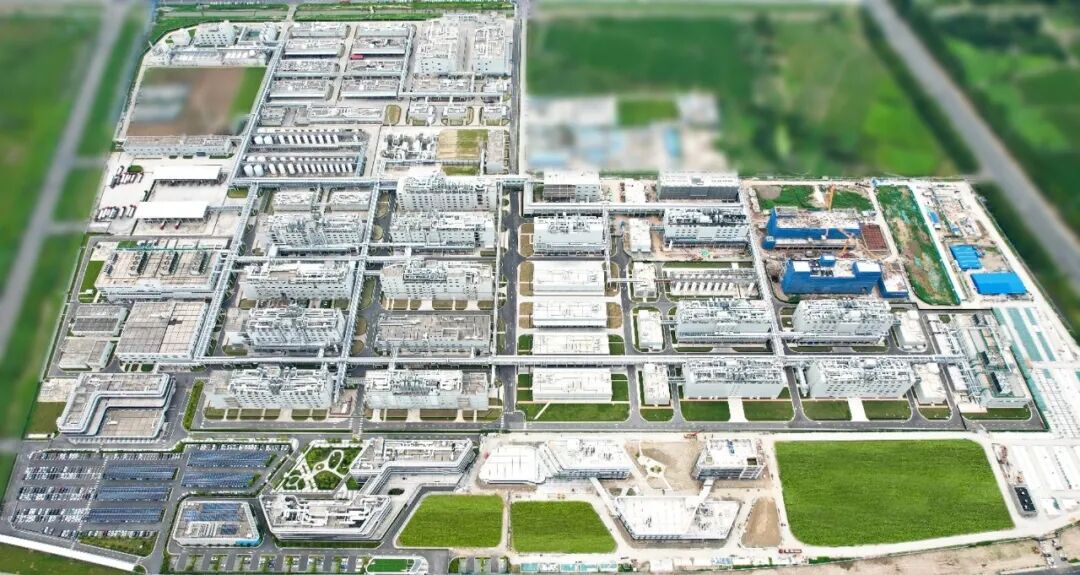
▲WuXi AppTec's site in Taixing
We also leveraged our ISO-certified manufacturing site to back-integrate the raw material and RSM into our own supply chain, so we could meet the higher quality standards required by the new partner.
We are still in the middle of executing this plan, so I would not say that we have taken CMC and supply chain off the critical path yet. But with the plan we have laid out together with partners, I believe we are on track to prevent CMC and supply chain from becoming a bottleneck and help bring this important drug not only to the local market, but potentially to the global market as well.
Fierce Pharma: Many people come to CPHI looking for a sense of where the industry is heading. If we look five years ahead, what part of API manufacturing do you think will look significantly different from today? And what part of the industry may change much less than people expect?
Ke Chen: This is my favorite question. It is always fun to look ahead and think about what such a dynamic field may bring.
I think the biggest changes will come from science and new technology, because science is still at the core of our field. We are seeing more breakthroughs in discovery and in the clinic, and targets that were once considered undruggable are becoming druggable. The science continues to push us toward new modalities and more challenging molecules to meet clinical needs.
Along with that complexity, I think we will see broader application of new manufacturing technologies that can help the industry make these more difficult drugs. And when I talk about new technology, I am not only talking about flow chemistry or biocatalysis. Technologies such as electrochemistry and photochemistry may also become more scalable for industry use.
So I think the development, application and commercialization of these technologies will be one of the major changes over the next five years, driven by more complex molecules and the continued need for acceleration.
But at the same time, our industry will always be built around control strategy. The analytical challenges we deal with today, the scrutiny around raw-material specifications, solvents, PGI control and nitrosamines, and the overall quality-by-design concept will remain very important.
The hard work behind understanding and controlling the process will still be there. I think that will always be a cornerstone of our industry, and I do not expect that part to change very much.

分享,点赞,在看,聚焦全球生物医药健康创新


