
 五度妙笔
五度妙笔 企业透视镜
企业透视镜 API商城
API商城
 数据库
数据库药明康德:预见未来,让产能走在产业需求之前 | Bilingual
随着全球医药产业分工的日趋专业化,CXO的市场规模得以与产业的成功同步攀升。
根据Fortune Business Insights数据,2025年全球合同研发生产组织(CRDMO)市场规模为2605.1亿美元。预计该市场将从2026年的2811.6亿美元增长至2034年的5405.1亿美元,预测期内复合年增长率(CAGR)为8.5%,是当之无愧的万亿级风口。
药明康德2026年中期财报以亮眼的数据让自身的价值具象化了:上半年营收288.97亿元,同比增长38.9%;归母净利润110.8亿元,同比增长29.4%,史上首次半年破百亿;持续经营业务在手订单664.3亿元,同比增长25.2%。同期,全年预计资本开支由65-75亿元上调至75-85亿元,并提前启动常州新基地建设。
从中国的常州、泰兴,德国的慕尼黑,瑞士的库威和美国的特拉华,到落子新加坡,近年来药明康德的全球产能建设在高速推进。
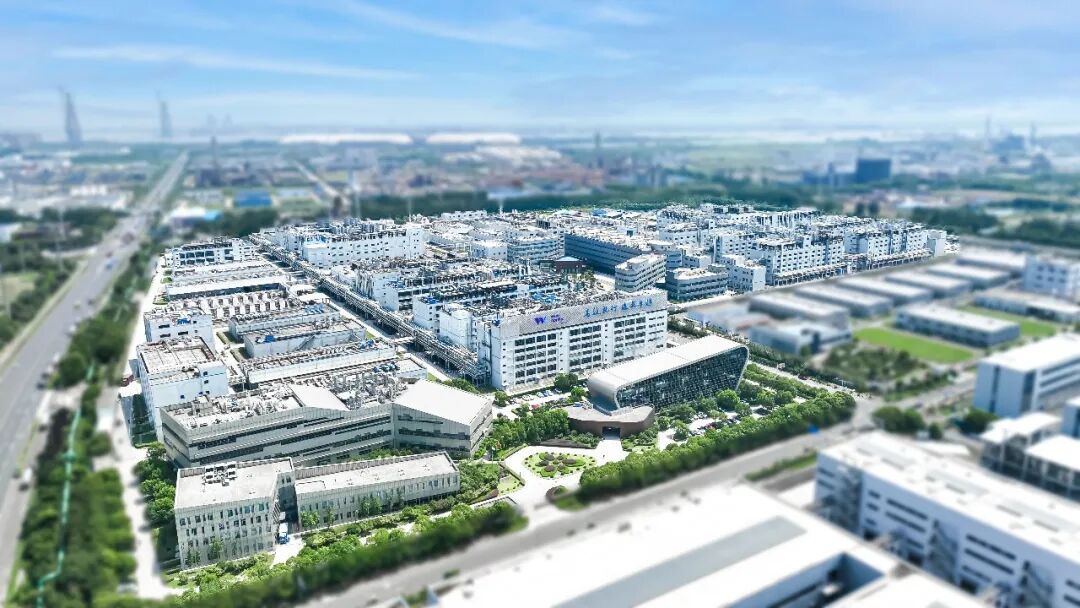
▲药明康德常州基地
对于此次常州新基地提前启动建设,药明康德高级副总裁、原料药生产业务部负责人张峰表示,“我们加速全球产能建设的核心驱动力只有一个:客户需求。”
手握664.3亿元的在手订单,显然,产业的需求依然强劲。站在CXO的万亿级风口之上,药明康德增长的路还很长。
看见未来在发生
小分子高歌猛进,新分子浪潮汹涌,产业端的需求,近几年明显在跃升。
从整体态势看,小分子稳占获批新药的半壁江山,GLP-1带动多肽固相合成产能持续放量,递送优化突破了寡核苷酸药物的研发壁垒,优质的连接子也让多种精准偶联策略得以实现。
在张峰眼中:“近年来,项目分子的复杂度肉眼可见地在增加,无论是小分子还是新分子,都要定制化探寻工艺的最优解。”
复杂的项目难度使得药企和Biotech都更倾向于选择高度专业的CXO来执行落地。行业报告显示,多肽和寡核苷酸的CDMO外包率超60%,抗体偶联药物(ADC)超70%。新分子采用与CXO合作已经不再是“可选项”,是几乎默认的产业动作。
Biotech手里拿着资本投资的管线,需要快速可靠的执行方,以兑现价值;MNC面对专利悬崖与策略调整,需要外部供应网络灵活补位。这也为以一体化著称的药明康德带来了空前的机遇。
在产业的东风中,药明康德的产能建设取得了长足的发展。截至2025年底,药明康德的小分子原料药反应釜总体积已经超过400万升;多肽固相合成反应釜总体积已经超过10万升,2026年底将进一步扩建至13万升;寡核苷酸固相合成反应釜的总规模也已突破8摩尔。
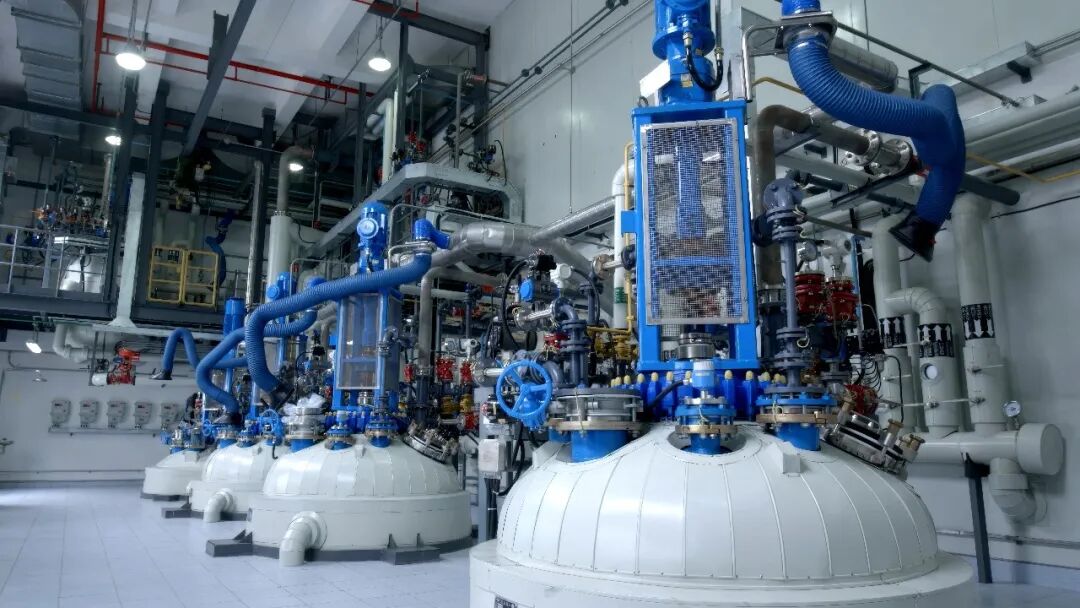
而产业未来的需求,药明康德可以从当前的项目分布和增长态势上很好的预判。
以小分子为例,2026年上半年,小分子R阶段在过去12个月,为客户成功合成并交付超过44万个新化合物,R到D转化分子155个;小分子D&M管线总数达到3,731个,D&M管线累计新增699个分子,商业化和临床3期阶段项目上半年增加15个。
聚焦多肽和寡核苷酸药物的WuXi TIDES D&M服务客户数同比提升39%,服务分子数同比提升68%,预计全年TIDES业务收入将实现约45%的增长。
随着产业客户对疾病治疗方式的不断探索,有越来越多的小分子、蛋白降解靶向嵌合体、多肽、寡核苷酸、偶联药物进入全球新药研发管线,许多项目正在药明康德的CRDMO平台上从早期源源不断地进入后期。
“我们不是在看单一年度节点的订单建产能,而是通过CRDMO管线在看未来的趋势,全球客户要把哪些分子变成药。”张峰说。
全球化的产能建设节奏
基于对未来趋势的良好预见,药明康德产能的前置布局,在全球范围内呈现出一种清晰的节奏感。
在美国特拉华州,米德尔顿基地计划于2026年底投入运营,届时将成为药明康德在美国最大的运营基地。这也是药明康德首次在美国大规模开展制剂生产业务。
在欧洲,瑞士库威基地的制剂生产及包装产能持续扩建,新的喷雾干燥车间同样预计在2026年第四季度投入运营。
在亚洲,新加坡基地一期工程预计在2027年投产,将支持小分子及TIDES药物的原料药商业化生产需求。
在中国,泰兴基地两个全新小分子原料药生产车间已在今年投入运营,而用于寡核苷酸、多肽和PMO生产的两个新车间预计在2027年投产。常州新基地的提前启动,则是药明康德全球化产能布局中最新的注脚。
这些分布于三个大洲的产能节点,并非简单的地理分散,而是贴近客户的理念的延伸。“我们持续强化全球CRDMO产能建设,是为全球客户提供灵活、稳健的供应网络,更好地满足客户需求。”张峰再次强调。
新药研发的节奏正在加速,但产能建设的物理周期并没有同步缩短。一个符合全球标准的大型生产基地,从规划到投产通常需要数年的时间。
此刻,药明康德大力投入基础设施建设的提前布局,本质上是在为产业未来的发展积蓄动能,因为,只有在需求尚未完全释放时完成能力建设,才能在需求爆发时提供充足的供给。
速度、品质、技术三位一体
产能前置如果仅仅是“提前建厂”,那么它只是一笔资本开支。真正让产能走在产业之前的,是嵌入其中的交付能力。
张峰在回忆一次关键考验时说,那是一个来自老客户的订单。就在前一年,药明康德刚为该客户顺利交付了数吨产品。当客户再次发来订单时,产量需求成倍增长,交付周期却没有延长。“尽管药明康德近年来前瞻性地持续扩建产能,然而面对成倍增长的任务,挑战依旧严峻。”
关键时刻,在CRDMO模式的高效协同下,各团队无缝衔接。多套设备的工艺验证与产能扩增在短时间内完成,精益运营举措也同步发力,有效缩短了生产周期。最终,团队以100%的成功率,如期完成了两倍于上一年的生产任务。
客户给予了高度评价,药明康德成为客户心目中“可靠的合作伙伴”。
“速度不仅意味着帮客户赢得价值兑现的窗口,更意味着新药能够更早到达患者手中,”张峰说,“对客户是商业价值,对患者则是生命的希望。”
更重要的是,无论产能分布在全球哪里,交付的标准是一致的。“我们的全球运营网络,是立足于符合国际标准的统一质量体系下,为客户提供更多灵活选择,助力构建更加安全、稳健的供应链。”
2025年3月,美国FDA对药明康德位于常州和泰兴的原料药生产基地进行了检查,其中常州基地为不预先通知的飞行检查,最终两个基地均以零缺陷完成核查。2026上半年,药明康德完成465次客户、监管及第三方质量审计,零严重发现项。这一结果的意义不仅在于合规层面的认可,更在于它验证了一个事实:在药明康德,产能以全球统一标准提前建设并持续运营时,具备随时接受任何机构监管检验的能力。
此外,一系列新技术在药明康德平台上的落地应用,已经在广泛赋能行业。
张峰提到酶催化技术时表示:“在此前的某一个客户项目中,这项技术能将五步化学反应缩成一步酶催化反应,极大地提升了合成效率。此外,酶催化还可以增强立体选择性,并节省有机溶剂用量,在环保、安全性方面也表现出显著优势。”
如今,药明康德已建立了生物酶催化工艺技术平台。十余年来,已累计开发了650个酶催化工艺,并完成440个生产项目的交付,其中包括20项处于临床3期及商业化阶段的项目。据统计,平台累计交付的关键手性中间体和原料药已超过500吨。
事实证明,长期的产业竞争力不仅仅源自跟随客户的需求,更是凭借对产业趋势的预判,提前将能力部署到位,让客户在需求出现时能够获得“即取即用”的最优解。
让产能走在产业之前
据弗若斯特沙利文测算,全球医药研发外包渗透率已从2015年的34.8%攀升至2024年的51.2%,预计2033年将进一步达到64.5%。这意味着,未来超过六成的创新药商业化供应将通过CDMO平台完成。在这一趋势下,谁能在产能和技术上走在前面,谁就更有可能成为产业难以替代的基础设施。
从这个角度看,药明康德的全球化产能布局,已不止是一家企业的战略选择,更折射出整个产业走向高度协同的客观信号。当产能跑在产业需求之前,创新放量的后顾之忧便已被提前消解。
如今常州提前启动的那片工地,或许会在数年后的某个多肽药物、某个寡核苷酸药物,或是某个AI设计的分子问世的节点上,以“准时交付”的方式兑现其价值。届时,产业会看到平台型企业在一个高度专业化分工的产业中最核心的意义:让创新者不必等待产能,让患者不必等待药物。
“我们始终致力于将生产平台建设得更高效、更卓越。这是我们对客户信赖最好的回应。”张峰这句话,大概就是对“让产能提前起跑”最朴素的诠释:不是押注某个风口,而是确信人类总要把分子变成药,于是把药物创新的梦工厂,建在那样的未来里。
WuXi AppTec: Anticipating What Comes Next, Building Capacity Ahead of Demand
As pharmaceutical innovation becomes increasingly specialized and globally distributed, the CRO/CDMO industry has grown in tandem with the success of the broader life sciences sector.
According to Fortune Business Insights, the global contract research, development and manufacturing organization (CRDMO) market was valued at $260.51 billion in 2025. It is projected to grow from $281.16 billion in 2026 to $540.51 billion by 2034, representing a compound annual growth rate (CAGR) of 8.5%. In other words, the sector is becoming a billion-dollar-scale opportunity.
From Changzhou and Taixing in China to Munich in Germany, Couvet in Switzerland and Delaware in the United States, and now Singapore, WuXi AppTec has been accelerating the expansion of its global manufacturing footprint in recent years.
▲WuXi AppTec Changzhou Site
For the decision to bring forward construction of the new Changzhou site, the rationale is straightforward, according to Mr. Feng Zhang, Senior Vice President and Head of API Manufacturing at WuXi AppTec: "There is only one core driver behind our accelerated global capacity expansion: customer demand."
And with the CRO/CDMO market entering a trillion-yuan growth cycle, WuXi AppTec appears to have considerable room to grow.
Seeing the Future as It Takes Shape
Small molecules continue to advance rapidly, while a new wave of modalities is gathering momentum. Across the industry, demand for manufacturing capacity has been rising visibly in recent years.
Small molecules still account for roughly half of newly approved drugs globally. GLP-1 therapies are driving continued expansion in solid-phase peptide synthesis capacity; advances in drug delivery are helping overcome longstanding barriers in oligo development; and increasingly sophisticated linkers are enabling new approaches to targeted conjugation.
Mr. Zhang has observed a clear shift in the projects entering development.
"The complexity of project molecules has visibly increased in recent years. Whether it is a small molecule or a new modality, customers increasingly need to explore customized processes to identify the optimal solution."
As projects become more technically demanding, pharmaceutical companies and biotech firms are increasingly turning to highly specialized CRO/CDMOs to translate innovative molecules into manufacturable products. According to an industry report, outsourcing rates are approximately over 60% for peptide and oligonucleotide CDMO services, and more than 70% for antibody-drug conjugates (ADCs). For projects related to emerging new modalities, working with a specialized CRO/CDMO is no longer simply an option; it is becoming the default industry model.
Biotechs need reliable partners capable of executing quickly on pipelines backed by venture and other forms of capital investment, turning scientific assets into tangible value. Multinational pharmaceutical companies, meanwhile, are navigating patent expiries and portfolio shifts, creating demand for flexible external manufacturing networks that can supplement internal capacity. This environment presents an exceptional opportunity for an integrated platform such as WuXi AppTec.
Against this backdrop, the company has significantly expanded its manufacturing capabilities. By the end of 2025, WuXi AppTec’s total reactor volume for small-molecule APIs had exceeded 4 million liters. Its solid-phase peptide synthesis reactor capacity had surpassed 100,000 liters and is expected to expand further to 130,000 liters by the end of 2026. Total solid-phase synthesis capacity for oligonucleotides had also exceeded 8 moles.
WuXi AppTec can gain visibility into future demand by looking at the composition and growth of projects already moving through its platform.
Taking small molecules as an example, as of the first half of 2026, the company’s Research-stage business successfully synthesized and delivered more than 440,000 new compounds to customers over the past 12 months, with 155 molecules progressing from Research into Development. The number of small-molecule Development & Manufacturing (D&M) programs reached 3,731, with 699 new molecules added cumulatively. Projects in commercialization and Phase III clinical development increased by 15 during the first half.
For WuXi TIDES, which focuses on peptides and oligonucleotides, the number of D&M customers increased 39% year on year, while the number of molecules served rose 68%.
As drug developers continue to explore new ways to treat disease, more small molecules, proteolysis targeting chimeras, peptides, oligonucleotides and conjugated drugs are entering global development pipelines. Many of these programs are moving through WuXi AppTec’s CRDMO platform, progressing from early-stage research toward clinical and commercial development.
"We are not building capacity based on orders for a single year. We are looking to the future to see which molecules global customers will need to turn into medicines," Mr. Zhang says.
The Pace of Global Capacity Expansion
This ability to anticipate future demand is reflected in the deliberate sequencing of WuXi AppTec’s capacity expansion across its global network.
In the United States, the Middletown site in Delaware is scheduled to begin operations by the end of 2026 and will become WuXi AppTec’s largest operating site in the country. It will also mark the company’s first large-scale formulation manufacturing operation in the United States.
In Europe, formulation and packaging capacity at the Couvet site in Switzerland continues to expand, with a new spray-drying facility also expected to come online in the fourth quarter of 2026.
In Asia, the first phase of WuXi AppTec’s Singapore site is expected to begin production in 2027, supporting commercial API manufacturing for small molecules and TIDES-based medicines.
In China, two new small-molecule API manufacturing plants at the Taixing site began operations this year, while two additional plants dedicated to oligonucleotide, peptide and PMO manufacturing are expected to start production in 2027. The initiation of the new Changzhou site represents the latest step in this global capacity strategy.
These facilities, spread across three continents, are not simply a move in geographic diversification. They represent an extension of a core principle: staying close to customers.
"We are continuing to strengthen our global CRDMO network to provide customers around the world with a flexible and resilient supply network that better meets their needs," Mr. Zhang says.
The pace of drug development is accelerating, but the physical timeline for building manufacturing capacity has not shortened to the same degree. A large-scale manufacturing facility built to global standards typically takes years to progress from planning to commercial operation.
That is why WuXi AppTec’s decision to invest ahead of demand is ultimately about more than infrastructure. It is about building the capacity that the industry will need before that demand fully materializes. Only by establishing capabilities before demand peaks can manufacturers provide sufficient supply when innovation moves into high-volume development and commercialization.
Speed, Quality and Technology — Working as One
Building capacity ahead of demand would amount to little more than capital expenditure if it were simply a matter of constructing more facilities. What truly allows capacity to stay ahead of the industry is the delivery capability embedded within it.
Mr. Zhang recalls one particularly demanding test: an order from a long-standing customer. The previous year, WuXi AppTec had successfully delivered several tons of product to the customer. When the next order arrived, the required volume had multiplied, yet the delivery timeline had not been extended.
"Although WuXi AppTec has been proactively expanding capacity in recent years, meeting a demand that had multiplied in volume was still a big challenge," Mr. Zhang says.
At a critical moment, the efficiency of the CRDMO model enabled teams across functions to work seamlessly together. Process validation and capacity expansion across multiple manufacturing lines were completed within a short period, while lean operational measures were implemented in parallel to further shorten the manufacturing cycle.
The result: the team delivered twice the previous year’s manufacturing volume on schedule, with a 100% success rate.
The customer highly recognizes WuXi AppTec as a "reliable partner".
"Speed is not only about capturing the window to realize commercial value. It also means getting a new medicine into the hands of patients sooner," Mr. Zhang says. "For customers, that creates business value. For patients, it represents hope." More importantly, wherever capacity is located around the world, the standard of delivery remains consistent.
"Our global operating network is built on a unified quality system aligned with international standards. It gives customers greater flexibility while helping them build a safer and more resilient supply chain."
In March 2025, the U.S. FDA inspected WuXi AppTec’s API manufacturing sites in Changzhou and Taixing. The Changzhou inspection was an unannounced inspection. Both sites completed the inspections with no critical findings. During the first half of 2026, WuXi AppTec completed 465 customer, regulatory, and third-party quality audits, with no critical findings.
The significance goes beyond regulatory compliance. It demonstrates that when manufacturing capacity is built ahead of demand and operated under globally consistent standards, it is capable of meeting rigorous scrutiny from customers and regulators wherever it operates.
Technology is another dimension of the company’s capability.
Mr. Zhang points to biocatalysis as one example. In a previous customer project, an enzymatic process reduced a five-step chemical synthesis to a single biocatalytic step, substantially improving efficiency. Beyond that, enzyme catalysis enhances stereoselectivity and reduces the use of organic solvents, offering significant advantages in both environmental sustainability and safety.
WuXi AppTec has since established a dedicated biocatalysis process technology platform. Over more than a decade, the platform has developed 650 enzymatic processes and delivered 440 manufacturing projects, including 20 projects that have reached Phase III clinical development or commercialization. In total, more than 500 tons of key chiral intermediates and APIs have been delivered through the platform.
The lesson is clear: long-term competitiveness does not come simply from following customer demand. It comes from anticipating where the industry is heading and putting the necessary capabilities in place early, so that when demand arrives, customers have an optimized solution ready to deploy.
Putting Capacity Ahead of the Industry
According to Frost & Sullivan, the global outsourcing penetration rate for pharmaceutical R&D has increased from 34.8% in 2015 to 51.2% in 2024 and is expected to reach 64.5% by 2033. In other words, more than 60% of innovative medicines could ultimately rely on CDMO platforms for commercial supply.
In such an environment, companies that can stay ahead in both manufacturing capacity and capabilities are more likely to become indispensable infrastructure for the industry.
Seen from this perspective, WuXi AppTec’s global capacity strategy is more than a corporate decision. It reflects a broader shift toward a highly interconnected and specialized model of pharmaceutical innovation. When manufacturing capacity is built ahead of demand, one of the biggest constraints on scaling innovation has already been addressed.
The construction site now taking shape ahead of schedule in Changzhou may, several years from now, become part of the story behind a peptide medicine, an oligonucleotide therapy or an AI-designed molecule reaching patients — its value ultimately measured in something deceptively simple: on-time delivery.
That is where the deeper significance of a platform company becomes clear in a highly specialized industry. It allows innovators to pursue new medicines without waiting for capacity, and patients to receive those medicines without waiting for manufacturing.
"We are always committed to making our manufacturing platforms more efficient and more capable. That is the best response we can give to the trust our customers place in us," Mr. Zhang says.
Perhaps that is the simplest definition of putting capacity ahead of the industry: it is not about betting on the next hot trend. It is about recognizing a more fundamental certainty — that humanity will continue turning molecules into medicines — and building the infrastructure for that future before it arrives.
Key Takeaways:
1. Demand is becoming more specialized, and complexity is increasing.
Small molecules remain a cornerstone of drug development, while peptides, oligonucleotides, ADCs and other new modalities are creating growing demand for specialized CRO/CDMO capabilities.
2. WuXi AppTec is building capacity ahead of demand.
With a global manufacturing network spanning Asia, Europe and the United States, WuXi AppTec takes a forward-looking approach—expanding capacity before demand peaks to provide customers with a flexible and resilient supply network.
3. Capacity alone is not enough—speed, quality and technology work as one.
A globally consistent quality system, high delivery speed and technology platforms such as biocatalysis enable WuXi AppTec to translate expanded capacity into reliable delivery, helping customers move medicines toward commercialization and patients sooner.
版权说明:欢迎个人转发至朋友圈,谢绝媒体或机构未经授权以任何形式转载至其他平台。转载授权请在「药明康德」微信公众号回复“转载”,获取转载须知。

分享,点赞,在看,聚焦全球生物医药健康创新


