
 五度妙笔
 企业透视镜
 API商城

 数据库
药明之夜·科隆:让创新加速抵达患者 | Bilingual
天才的灵光一闪固然重要,但将创意变为现实,需要许多人贡献各自的专长。在德国科隆,这个朴素的道理就写在城市的天际线上:科隆大教堂最初的构想,经由一代代建造者的双手,成为今天的模样。宏大的创造,往往始于一个想法,成于众人的协作。
今天的新药研发,同样需要这样的共同努力,也对协作提出了更高的要求。患者的等待,让时间有了不同的分量。如何借助新的工具、打破专业之间的壁垒,让原本前后接续的工作更早衔接、并行推进,是创新者需要共同回答的问题。我们既要有把构想变为现实的坚持,也要不断寻找更快、更有效的方法。
这也是药明康德始终致力于推动的方向。二十多年来,药明康德通过一体化CRDMO平台,连接研究、开发与生产各环节的专业能力,帮助创新者减少环节之间的等待,让科学上的可能,更高效地转化为造福患者的现实。
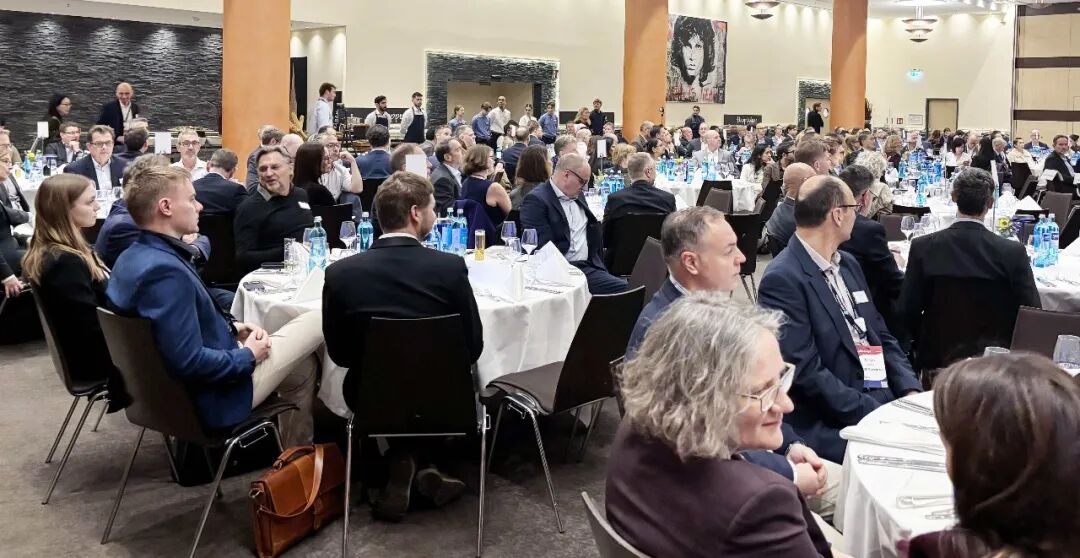
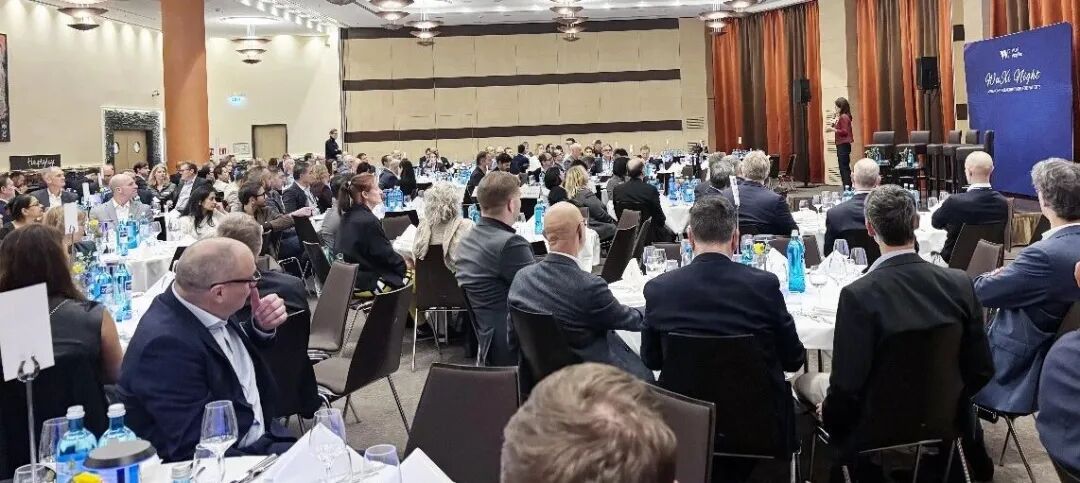
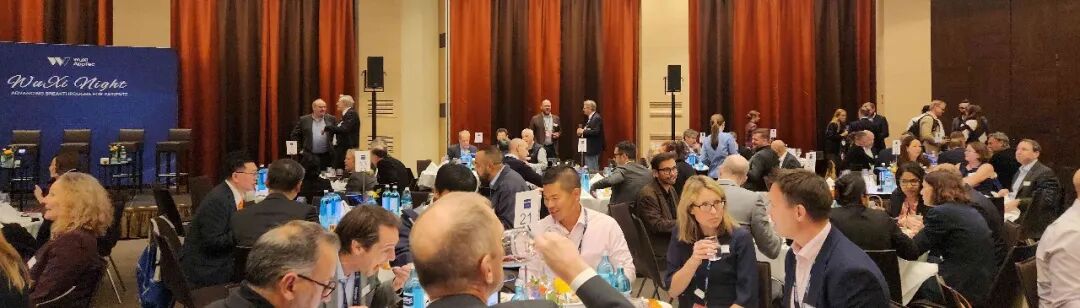
本周BIO-Europe大会期间,药明康德延续传统,于科隆举办“药明之夜”。近400位全球产业领袖相聚一堂,在全新的时代背景下探讨全球合作的未来方向。在BioM董事总经理Ralf Huss博士的主持下,多位嘉宾共同就同一话题分享了他们的洞见:让更多科学构想变成新药突破,我们还需要做什么?
“不进化,就难以生存”
一个创新生态体系是否充满活力,取决于它能否随时代变化而不断演进。在几位产业领袖看来,当下有三股趋势正在改变新药研发,也对创新者们提出了全新的要求。
首先,候选分子正变得越来越复杂。药明康德联席首席执行官杨青博士指出,内部分析显示,其合成的小分子药物分子量正不断上升,合成所需的步骤也在不断增加。
其次,要开发具有差异化的药物,需要进一步探索全新的生物学机制。随着新分子疗法层出不穷,如何找到新的生物学通路和新的作用机制,变得尤为重要。
第三,计算工具正不断拓展研究者的探索范围。AI能够生成新的科学假设,也能辅助药物开发,为优化研发决策、提升执行效率提供了新的可能。
科学不断进步,患者的需求也在变化。哪怕是传统的大型医药企业,也需要在新的时代,重新审视自身拥有的技术、业务与发展模式,即便这些曾是自己成功的基石。德国默克旗下M Ventures董事总经理Hakan Goker博士就回顾了公司的发展历程:从达姆施塔特的一家药房,逐步发展为涵盖医药、生命科学工具和电子科技的跨国公司。在他看来,德国默克历久弥新的背后,是持续回应市场需求的能力。“在如此漫长的时间里,公司必须不断创新,才能始终契合市场的需要。”
拜耳柏林Co.Lab负责人Ruth Shah博士则从拜耳发展的历史中,看到了同样的生存要求。她指出,固守某一项技术或某一个市场,反而可能让企业看不清下一步。“无论你是一家怎样的公司,规模有多大,都必须持续创新,才能生存下去。更直白地说:不进化,就难以生存。”
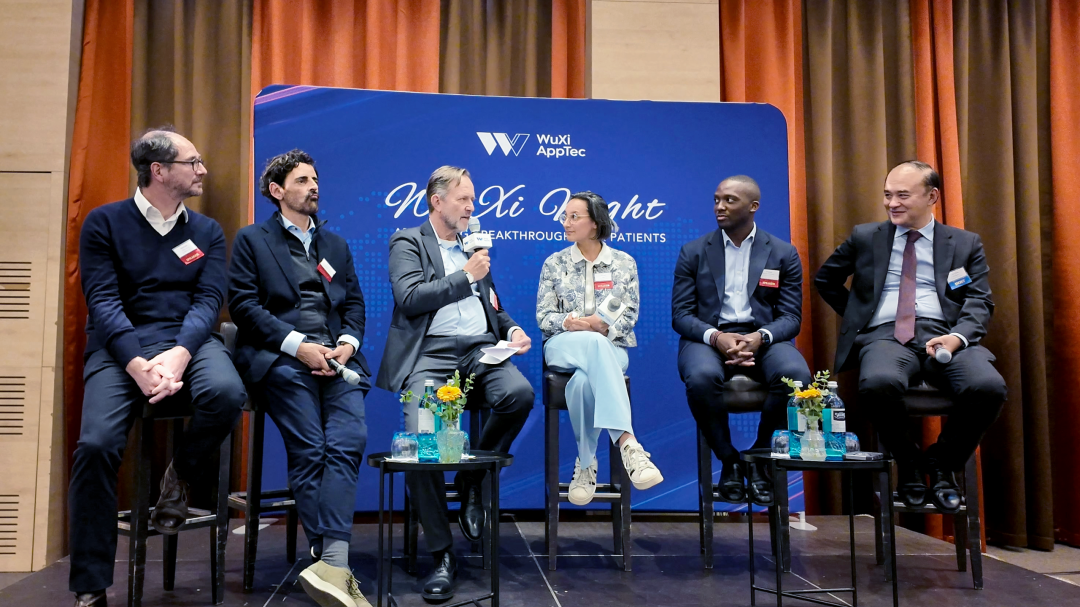
▲从左至右依次为:Kurma Partners管理合伙人Rémi Droller先生,M Ventures董事总经理Hakan Goker博士,BioM董事总经理Ralf Huss博士,拜耳柏林Co.Lab负责人Ruth Shah博士,黑石生命科学( Blackstone Life Sciences)的Kola Lawal博士,药明康德联席首席执行官杨青博士
对于投资者和新兴生物技术企业而言,围绕具有差异化潜力的科学发现创建新锐公司,也是回应变化的一种方式。Kurma Partners管理合伙人Rémi Droller先生介绍,早期投资,使其能够针对学术发现,匹配推进研发所需的团队与资源。“面向下一波创新,我们需要探索新的生物学机制,开发作用于新通路的新化合物。”他指出这样做的必要性。
新的工具,也可能帮助研究者识别并把握这些机会。黑石生命科学(Blackstone Life Sciences)的Kola Lawal博士认为,AI的潜力还在于改善研发最终产出的药物。他关注的下一个问题是:“我们如何发现更好的药物,又如何提高正在研发的药物的质量?”
总体来看,无论是调整业务战略、创建新公司,还是应用新的工具,生物医药产业正在以不同方式回应变化。但嘉宾们同样指出,找到回应的方向,只是一个开始。要将新的生物学发现,以及AI工具的预测结果转化为药物,还需要更有效的研发与检验方法。
需要创意,更需要执行
一个富有潜力的科学创意,怎样才能继续往前推进?在新药研发领域,创新者往往面临一连串选择:先做哪些实验?如何安排研究计划?有限的资金和人力又要用在哪里?毫无疑问,不论科学创意听起来多么可信,都需要研究证据的支持。而获得这些证据的速度,又取决于资金、工具和合作方式等因素。
资金可以决定项目平行推进的速度。Kola Lawal博士解释说,一款有潜力的药物,可能同时具有多个值得探索的方向,但企业未必有同时推进的资源。而投资者的支持,就可能把原本需要按顺序进行的研究平行展开,齐头并进,在同等的时间里探索新药的更多可能。“我们可以投入资金,让你在提交申请前,不必只做一项3期临床试验——你可以同时开展五六项研究。”他说。
他还指出,日常工具的进化,足以改变每天的研发工作:AI工具可以起草药品监管申报文件,再交由专业人员审核;它也可以分析临床研究的数据,判断哪些中心能够更有效地招募受试者。这些工作看似琐碎,却关系着一项研究何时能够启动,又能以怎样的速度推进。
Hakan Goker博士则希望这些工具能够延伸到更广泛的研发环节。他期待将计算技术与实验设备、实验方法等有机结合,优化小分子、多肽等不同类型药物的研发过程。“下一步创新将由工具来驱动。这些技术正在改善药物的识别、发现与开发流程。”他总结道。
当创新者能用更低的门槛获得外部的工具和专业能力,研发的方式也随之改变。杨青博士用了一个形象的比喻:“今天,一位独立创业者可以像乐团指挥一样,调动各种大模型、算法和智能体。”
在11月的药明康德投资者开放日上,杨青博士曾指出,新药发现的传统逻辑是设计、合成、测试、分析四者的循环:研究者设计出分子,将它合成出来,通过实验了解它的表现,再根据数据分析结果,调整下一轮设计。如今,AI驱动的药物发现(AIDD)和AI赋能科学研究(AI for Science),正在改变这个循环:参与设计的,既可能是人类专家,也可能是大模型或智能体。借助这些工具,研究者有望更快地提出更多分子设计和科学假设。
但计算机里产生的结果仍然只是预测,需要接受来自真实世界的检验。杨青博士预计:“随着越来越多的计算模型能够进行预测、生成新的假设,湿实验室(wet lab)中‘合成’与‘测试’的需求,可能会越来越大。”而药明康德在化学、生物和测试等领域的湿实验室能力,可以与AI工具形成互补,帮助计算与实验之间的循环更高效地运转。
杨青博士也提到了最近的一个案例:一家“只有一个人”的公司通过与药明康德等合作伙伴合作,推进项目开发,最终促成公司被收购。这样的案例表明,即便团队再小,也可以通过AI工具和外部合作,获得广泛而专业的支持。这样一来,创新者就可以专注于最为关键的研发问题,并让合作伙伴衔接起相应的工作。
这种连接也可以跨越国界。Ruth Shah博士介绍,通过Co.Lab的网络,一家初创企业可以在一个国家寻找临床专家,在另一个国家对接研究团队,再到其他地方接触投资者。对创业者而言,立足本地与走向全球,可以同时发生。“我们让这些新锐公司在本地扎根,融入所在城市的同时,也为它们打开通往全球的大门。”她说。
当资金有机会让更多研究平行开展,当工具帮助团队高效完成工作,当合作伙伴让每一名创新者都能调用最前沿的专业能力,接下来,关键就在于将所有工作高效衔接起来,持续推进项目。
一切为了患者
新药研发环环相扣。想要高效连接各个环节,就需要让早期研发中积累的洞见,能用于后续的工作。比如药物发现阶段的数据,可以为工艺开发提供方向;合成、纯化和制剂方面的经验,也可以帮助研究者及早调整和完善候选分子。分子越复杂,越需要不同领域的专家尽早坐到一起,共同考虑后面的路怎么走。
药明康德的一体化CRDMO平台,正是把这样的协作落实到具体工作中。从一场筛选、一次测试,到一个开发决策、一批商业化供应,依靠20多年来积累的经验,药明康德平台能将不同阶段的工作有机结合,帮助团队及早识别并解决瓶颈,让项目持续向前推进。
对初创企业来说,这种支持尤其重要。一个小团队可能坐拥充满潜力的科学发现,却没有足够的资源来一一建立研发所需的所有能力。而一体化平台则可以在各个阶段都提供相应的专业支持,让创业团队把更多精力放在核心科学问题和项目的发展方向上。
这也回到了“药明之夜”最初提出的问题:让更多科学构想成为新药突破,我们还需要做什么?从想法到药物,要经过一次次实验、一个个决策,也要跨过许多无法凭一己之力解决的难关。合作的意义,就在于让不同的专长汇聚起来,把一个人、一家企业尚未走通的路,共同向前推进。
如同科隆大教堂,一块石头接着一块石头,一代人接着一代人,最初的构想才有了今天的模样。新药研发也需要这样的接力。每一次实验积累的认识,每一位伙伴解决的难题,都可能让一种新的治疗选择,离患者更近一步。
正如药明康德副总裁、“药明之夜”主席蔡辉博士所说,台上的对话告一段落,台下的交流才刚刚开始。这些交流将延伸到实验室、临床研究和生产现场,成为下一步共同工作的起点。
对研发者而言,前方是仍待解答的科学问题;对患者而言,那里可能是一次新的治疗机会,是与家人相伴更久的盼望。让科学构想成为药物,最终是为了让这样的盼望多一分实现的可能。
因为患者仍在等待,而每一步向前,都与他们有关。
WuXi Night in Cologne: Connecting Innovation for Patients
A great idea matters, but bringing it to life takes expertise, persistence, and people working toward a shared goal. In Cologne, that simple truth is written into the city’s skyline: the original vision for Cologne Cathedral took shape through the hands of generations of builders. Great achievements often begin with one idea and become reality through collective effort.
Drug R&D calls for that same shared commitment—and new ways of working together. For patients waiting for treatment, time carries particular weight. How can new tools and closer collaboration across disciplines help teams connect their work earlier and advance activities in parallel? Innovators need both the persistence to realize a vision and the willingness to pursue faster, more effective ways to get there.
This has long guided WuXi AppTec’s work. For more than two decades, its integrated CRDMO platform has connected expertise across research, development, and manufacturing, helping innovators reduce delays between stages and translate scientific possibilities into medicines for patients more efficiently.
Building on its commitment to collaboration, WuXi AppTec continued its tradition of hosting WuXi Night alongside BIO-Europe this week, bringing together nearly 400 leaders in Cologne. In a panel discussion moderated by Dr. Ralf Huss, Managing Director of BioM, the speakers addressed a shared challenge: How can we help more great ideas become breakthroughs for patients?
“Evolve or Die”
For an ecosystem, continued success depends on its ability to evolve. The panelists highlighted three trends reshaping what innovators need to succeed:
Candidate molecules are becoming more complex. Dr. Steve Yang, Co-CEO of WuXi AppTec, described an internal analysis showing rising molecular weight and increasing synthetic effort among the complex small molecules produced by the company.
The search for differentiated medicines is moving into new biology. With many therapeutic modalities already available, identifying new mechanisms and pathways becomes increasingly important.
Computational tools are expanding what researchers can explore. AI can generate new hypotheses and support development activities, creating opportunities to improve both research decisions and execution.
As science advances and patient needs change, even the most established organizations must rethink the technologies, businesses, and approaches that once made them successful. Dr. Hakan Goker, Managing Director of M Ventures, reflected on Merck KGaA’s evolution from a pharmacy in Darmstadt into businesses spanning therapeutics, life science tools, and electronics. “They have maintained relevance to what the market needs over such long periods of time. So they had to innovate.”
Dr. Ruth Shah, Head of Bayer Co.Lab Berlin, described the same imperative through Bayer’s history of developing and divesting businesses. Remaining committed to a single technology or market, she argued, can prevent an organization from recognizing what it needs next. “No matter who you are as a company, or how big you are, you have to continue to innovate to survive as an organization. I would even be so bold as to say: evolve or die.”
▲From left to right: Mr. Rémi Droller (Managing Partner at Kurma Partners), Dr. Hakan Goker (Managing Director of M Ventures), Dr. Ralf Huss (Managing Director of BioM), Dr. Ruth Shah (Head of Bayer Co.Lab Berlin), Dr. Kola Lawal (Blackstone Life Sciences), Dr. Steve Yang (Co-CEO of WuXi AppTec)
Investors and emerging biotechs are responding by building companies around distinctive scientific opportunities. Rémi Droller, Managing Partner at Kurma Partners, explained that early investment allows Kurma to connect academic discoveries with the teams and resources needed to develop them. “For the next wave, we need to find biology, and just to develop new compounds in new pathways,” he said.
New tools could help researchers identify and pursue those opportunities. Dr. Kola Lawal of Blackstone Life Sciences sees the potential for AI to improve the medicines emerging from research. The next questions are “How do we identify better drugs, and how do we improve the quality of the drugs that we’re now producing?”
The industry is responding through changes in business strategy, company creation, and research technology. But identifying a promising direction is only the beginning. Turning new biology and computational predictions into medicines requires better ways to develop and test ideas.
Faster Progress Depends on Better Ways to Develop and Test Ideas
Moving a promising idea forward requires decisions about what to test, how to organize the work, and where to commit resources. The panelists explored how financing, development tools, and access to external expertise can help companies generate evidence and act on it more efficiently.
Capital can change the pace and scope of clinical development. Dr. Kola Lawal explained that a company advancing a promising asset may have several development opportunities but insufficient resources to pursue them together. Additional financing can allow studies to proceed concurrently, helping the company explore more of a medicine’s potential within the same period. “We can put capital to work so that you don’t have to run one phase 3, then apply—you can run five or six studies at the same time,” he said.
New technologies can also improve how development work is performed. Dr. Lawal described AI being used to draft regulatory documents for human review and analyze clinical-site data to identify more productive enrollment locations. These applications address specific tasks that influence how quickly studies can be prepared and conducted.
Beyond individual development tasks, better research tools could improve the process of identifying and evaluating drug candidates. Dr. Hakan Goker highlighted the potential of connecting computational technologies with physical machinery and experimental testing, supporting progress across small molecules, peptides, and other modalities. “The next piece of innovation will actually come through changing tools and technologies that are improving drug identification, discovery, and development,” he said.
The ability to coordinate external capabilities is also changing what an innovator can accomplish. “Today, a solo entrepreneur could orchestrate like a conductor in an orchestra—all the large models, all the different algorithms and agents,” Dr. Steve Yang said.
At WuXi AppTec’s Investor Day in November, Dr. Steve Yang explained that drug discovery traditionally follows a cycle of design, make, test, and analyze (DMTA): researchers design a molecule, synthesize it, evaluate its properties through experiments, and analyze the resulting data to inform the next round of design. Today, AI-driven drug discovery (AIDD) and AI for Science are changing this cycle. Designs may come from human experts, large AI models, or AI agents. With these tools, researchers could generate more molecular designs and scientific hypotheses at greater speed.
Computational predictions, however, still need experimental validation. As Dr. Steve Yang noted: “The ‘make’ and the ‘test’ part of the wet lab will become potentially higher and higher in demand, as more and more models in the dry lab will be able to predict and generate new hypotheses.” WuXi AppTec’s wet-lab capabilities across chemistry, biology, and testing can complement AI tools, helping the cycle between computation and experimentation run more efficiently.
He cited an entrepreneur working with 11 external partners, including WuXi AppTec. Such a model allows a small team to draw on extensive capabilities without building every function internally. Its effectiveness depends on connecting the right expertise with the experiments and decisions a program requires.
Dr. Ruth Shah highlighted how international networks can help founders make those connections. Through Co.Lab, a startup can seek clinical expertise in one country, research contacts in another, and investors elsewhere. “We give them local roots, so we embed them very much in the city where they’re operating, but we give them global routes,” she said.
Together, these approaches offer practical ways to sustain momentum: finance studies around the evidence needed, improve development workflows, and connect teams with capabilities beyond their own organizations. As programs advance, keeping those activities coordinated becomes increasingly important—linking discovery experiments with the development and manufacturing work that follows.
An Integrated Platform to Turn Scientific Ideas into Medicines
Connecting these activities means ensuring that what teams learn in one stage informs the next. Findings from discovery can shape process development, while insights into synthesis, purification, and formulation can help researchers refine a candidate before it advances. As molecules become more complex, bringing that expertise together early becomes increasingly valuable.
WuXi AppTec’s integrated CRDMO platform puts this approach into practice, helping customers connect individual experiments and development decisions with the longer journey toward clinical studies and commercial supply.
For emerging companies, access to expertise and infrastructure across that journey is particularly valuable. A small team may have a distinctive scientific idea without the resources to establish every capability internally. An integrated platform can support its changing needs as the program advances, allowing the team to concentrate on the science and strategy driving it.
The purpose of integration ultimately returns to the question that opened WuXi Night: how can more great ideas become breakthroughs for patients? Scientific ambition needs partners who can help carry it forward through successive experiments, development decisions, and manufacturing challenges.
In closing remarks, WuXi AppTec Program Chair Dr. Hui Cai expressed optimism about the industry’s future and invited participants to continue building those connections: “The conversation on the stage comes to an end. I hope the conversation in the room is just beginning.”
As with the vision that became Cologne Cathedral, progress depends on people bringing their expertise together to make an idea real. In drug R&D, that shared effort has an urgent purpose: patients are waiting.


