2026年08月21日 12:51:25【盘面】周五沪深两市双双低开,盘初权重股低迷,硬科技一度共振反弹,不过随着石油,有色,保险,煤炭等权重拉升,双创承压收窄涨幅,CPO,锂电,液冷等表现活跃。截至午间收盘,指数全线飘红,两市涨超9%的个股65只,跌超9%的个股38只,红盘个股数量三成出头。【技术分析】早评中讲到:“后续大盘大概率延续区间箱体运行格局,下方依托20日均线筑牢支撑,上方受年线压制形
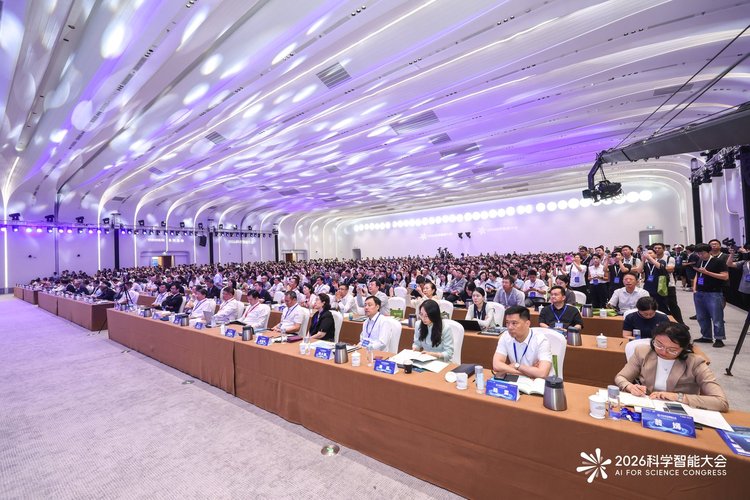
8月21日,2026科学智能大会在北京海淀中关村国际创新中心开幕。大会由“学术科协”科学智能专家委员会提供学术指导,以“人工智能变革科研范式”为主题,汇聚近50位院士、80余位青年学者、百余场高水平学术报告。中国科协党组书记、分管日常工作的副主席、书记处第一书记贺军科,北京市委常委、教育工委书记于英杰,中国科协党组成员、书记处书记王进展出席。来自政府、高校、科研院所、企业等机构的2500人参会。大
在8月21日举行的国务院新闻办公室“开局起步‘十五五’”系列主题新闻发布会上,财政部副部长廖岷介绍,财政作为国家治理的基础和重要支柱,宏观调控的方向和逻辑要与经济情景相适配。“十五五”时期,财政部将按照党中央、国务院的相关部署,加大财政逆周期调节力度,更加注重提升财政宏观调控的有效性精准性,为稳定宏观经济大盘、促进经济结构调整、推动经济社会高质量发展行稳致远奠定坚实基础。 “总的看,我们将加快构建
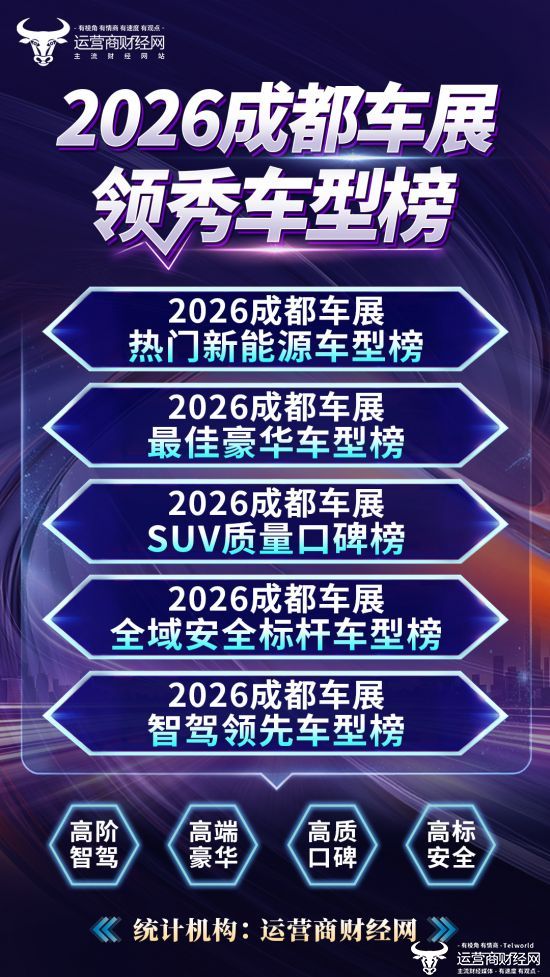
运营商财经网讯8月21日,一年一度的成都车展正式拉开帷幕!作为在汽车领域深耕多年的主流财经媒体,运营商财经网将正式推出“2026成都车展领秀车型榜”系列榜单。值得一提的是,“2026成都车展领秀车型榜”并不是单个榜单,而是以智能驾驶、发展潜力、安全可靠性、价格区间等作为主要评价维度,对近三个月发布、并在成都车展进行展出的众多新车型汇总整理,甄选出优秀车型,并从不同的评选维度编排出多个榜单,至少包
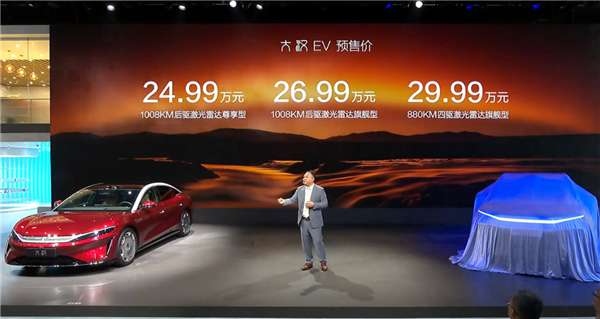
快科技8月21日消息,在今日开幕的成都车展上,比亚迪全新旗舰轿车大汉正式开售,此次只推出纯电版,共三款配置车型,售价区间24.99-29.99万元。大汉是比亚迪王朝网首款D级大型行政轿车,车身尺寸5256*1999*1510mm,轴距3130mm,主打高端商务市场。外观延续王朝龙颜家族语言,低趴溜背轿跑造型,配备主动开闭进气格栅、半隐藏式门把手、车顶一体式激光雷达,车尾为贯穿式中国结尾灯,提供双色
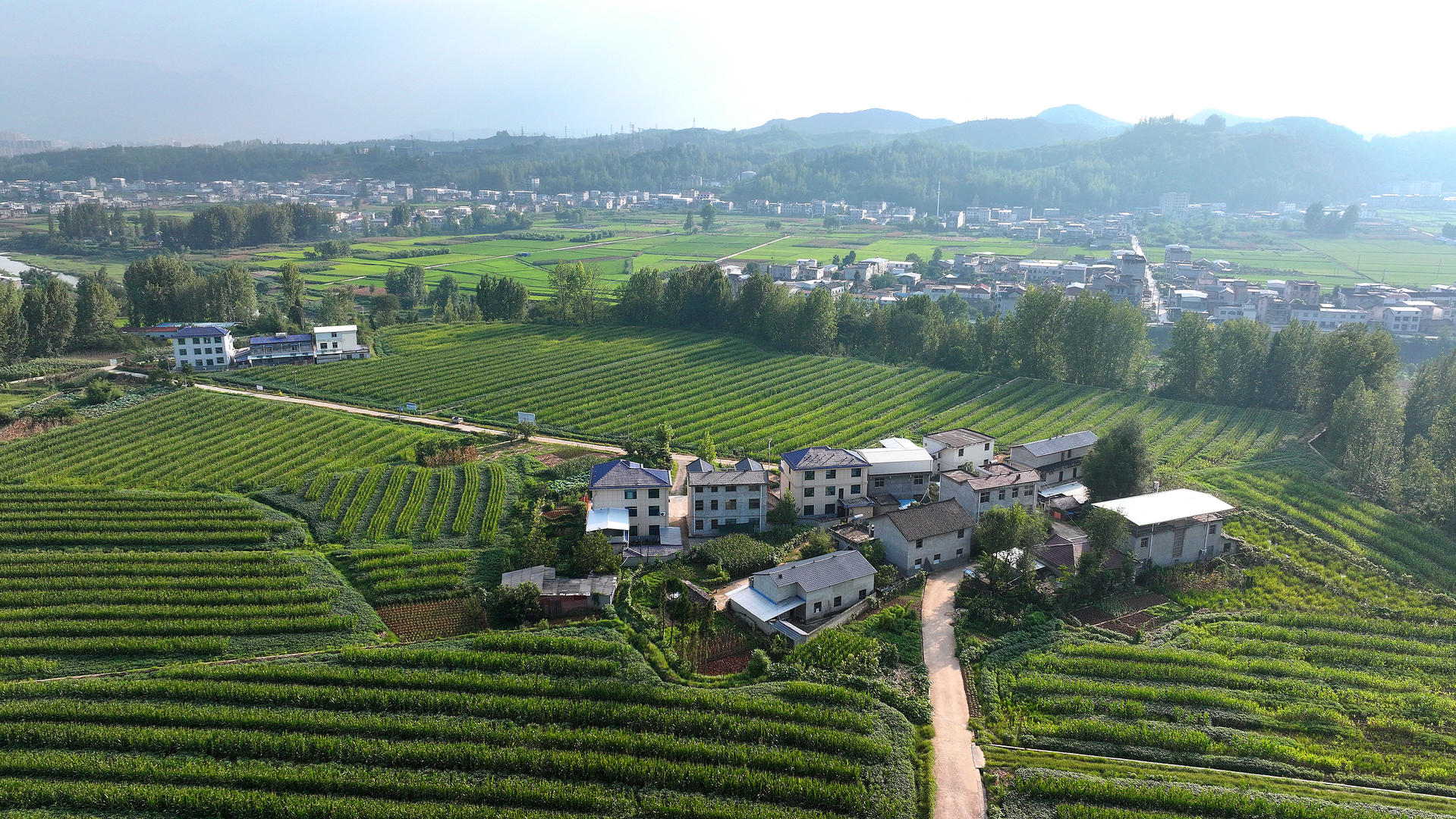
8月21日,国务院新闻办公室举行“开局起步‘十五五’”系列主题新闻发布会,介绍发挥积极财政政策作用,推动经济社会高质量发展有关情况。会上,财政部综合司司长李先忠介绍,农业农村现代化关系中国式现代化的全局和成色。“十五五”时期,财政部将认真贯彻党中央、国务院决策部署,继续发力支持推进乡村全面振兴和农业农村现代化。具体在三个方面接续发力。▲2026年8月20日,湖北房县,山上绿树成荫,山下田畴沃野,构
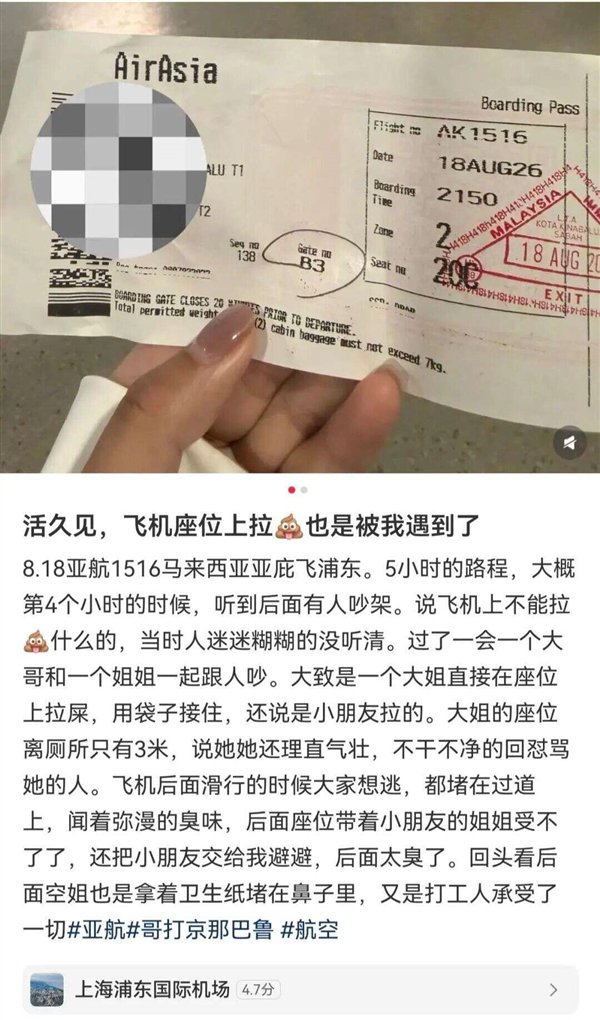
快科技8月21日消息,近日,一则航班不文明事件引发全网热议。多名网友在社交平台爆料,8月18日晚间起飞的亚洲航空AK1516次航班上,有乘客在客舱座位及地毯上就地排泄,熟睡乘客纷纷被熏醒,全机旅客被迫煎熬近40分钟。据悉,该航班于8月18日22:30从马来西亚哥打京那巴鲁机场起飞,次日凌晨3:30左右抵达上海浦东国际机场。事发凌晨2点左右,当时机舱内大部分旅客已进入熟睡状态。有亲历事件的乘客向媒体
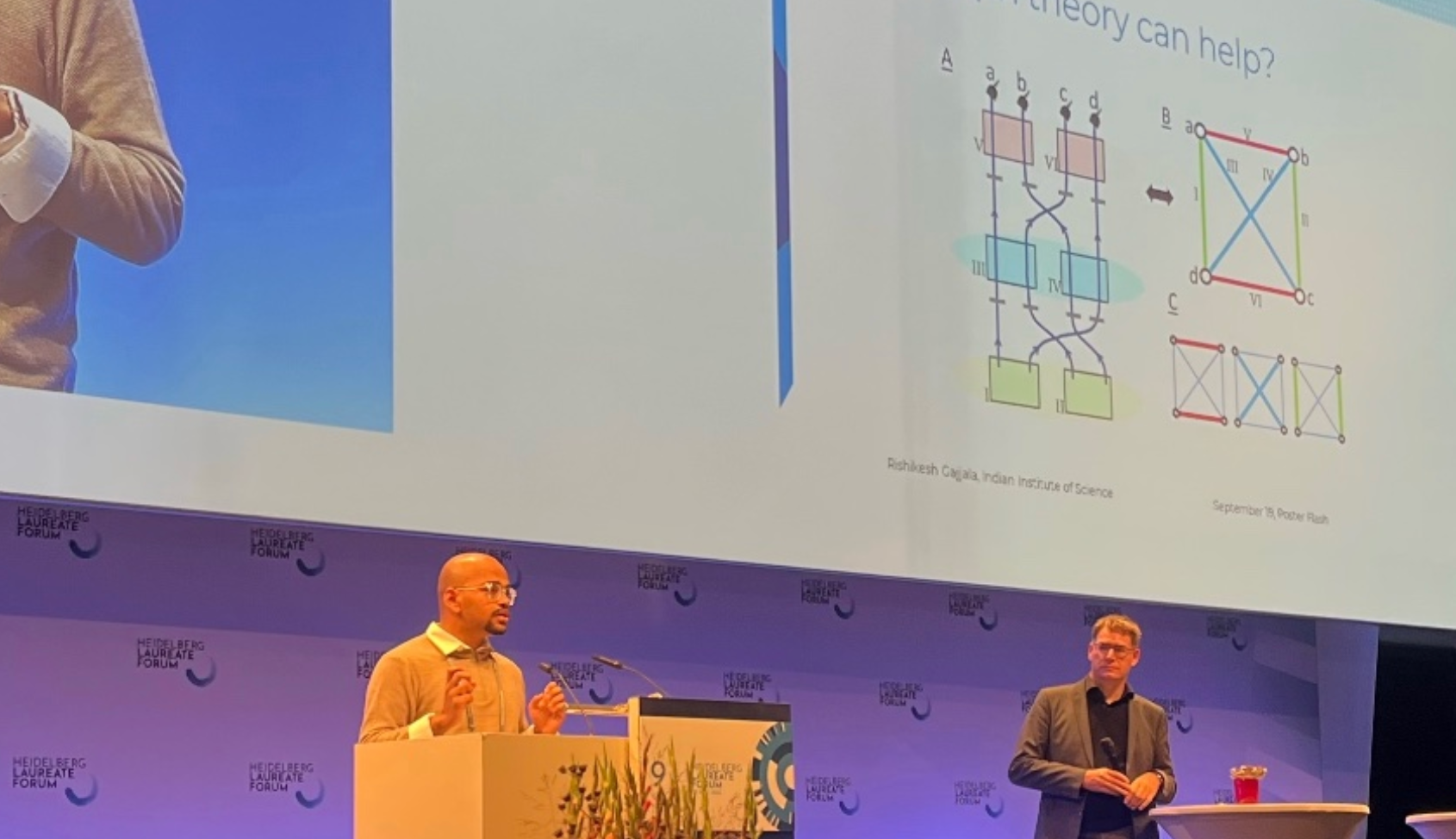
8月初,顶尖数学家齐聚旧金山OpenAI的办公室,探讨一个关乎生存的问题:如果人工智能很快将人类数学专家全部甩在身后,那么人类数学专家还能做什么呢?多伦多大学数学教授丹尼尔·利特在题为“数学的终结”的演讲中说:“我认为我们最终可能会进入一个没有高质量数学研究、人类数学专业知识完全丧失的世界。”数学家宣布退出数学学术界:不再寻求答案,转而验证答案在纽约大学阿布扎比分校完成博士后研究的数学家里希凯什·
【环球网科技综合报道】8月18日,江苏省常州市武进区与它石智航正式签署合作协议,具身机器人研发制造基地项目正式落地武进国家高新技术产业开发区。根据合作协议,双方将依托武进国家高新区的产业基底,共建集研发、制造于一体的具身机器人产业基地,布局汽车工业机器人、通用具身机器人及核心零部件的研发、生产与销售全链条,推动具身智能机器人实现从技术研发到规模化量产、商业化交付的全链路升级,带动机器人本体、核心零
创造力从来不是个体的天马行空,而是一群人的共同创造。 千问办公 × 淘宝教育首个 「企业级」AI竞赛 ,邀请每一个愿意重新定义工作的人: 用一个 真实的业务场景 一次 真实的效率飞跃 一份 经得起真实业务检验的作品 证明AI不是遥远的技术叙事,而是此刻就能上手的生产力。带上电商场景里的实战案例,让千问办公成为你的生产力! 🏢 参赛企业(持续增加中) 同创食品集团、CHANGHONG | 新网科技
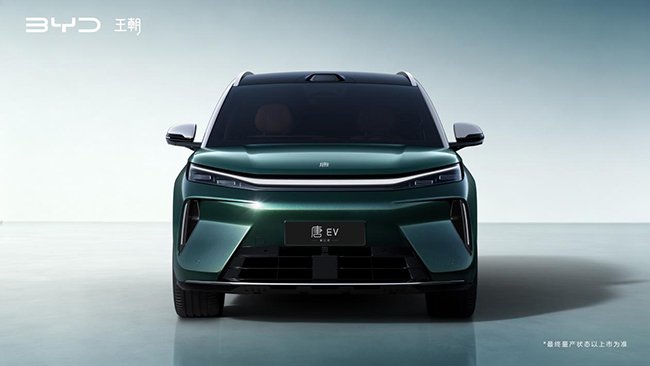
成都国际车展首日,比亚迪第三代唐成为全场焦点!这款8系大五座采用全新科技美学,共有30项同级第一功能和配置,全行业首发星际双屏,续航长达850公里,搭载云辇-A双腔空悬、智能四驱、天神之眼B,还有同级最强第二排!这台大五座王者,用旗舰级实力,满足了用户四大诉求:颜值够帅、空间够夯、智舱够顶、开起来够爽。颜值够帅,行业集成度最高的一体贯穿式大灯,重新定义旗舰审美现在买车最怕过时,今天追的流行,明天就
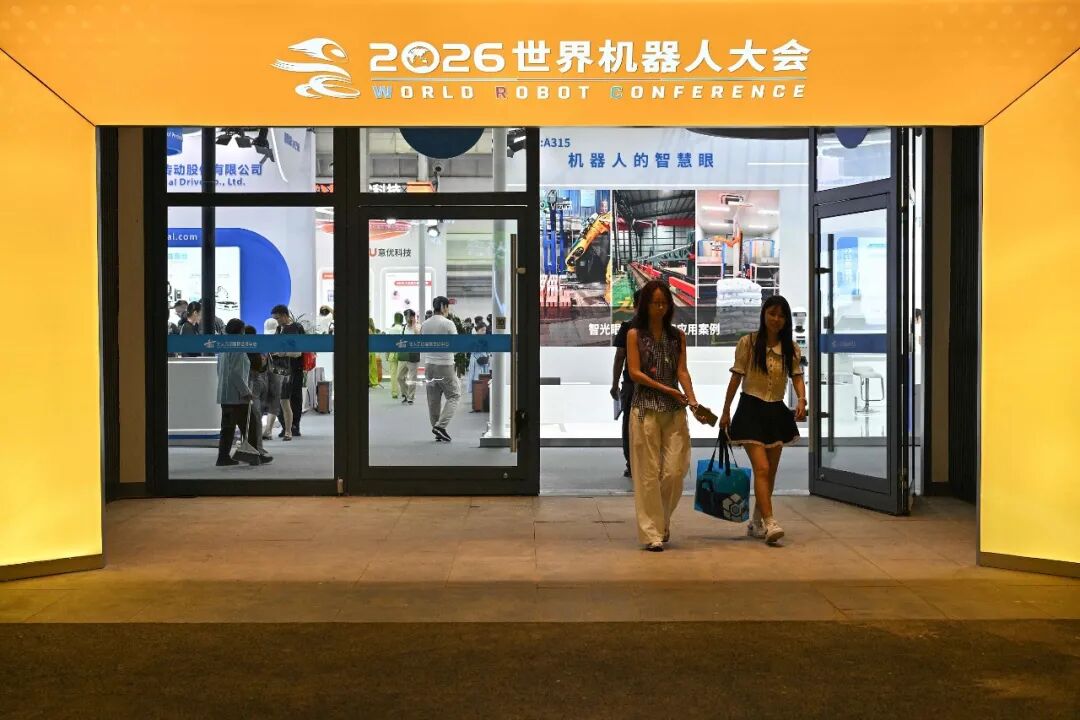
没来的一定要看,来了的不看等于白来。作者|白石 周永亮编辑|周永亮 李源8 月 19 日,北京亦庄的空气里飘着一种奇怪的兴奋,这是 2026 世界机器人大会开幕的日子。300 多家企业、2000 多件展品,几乎把具身智能行业能拿出的东西都搬到了这里:大模型、本体、关键零部件、数据,应有尽有。开幕当天,宇树科技敲钟上市,盘中市值一度冲破 4000 亿元,这可能是过去十年,中国机器人行业最接近「资本狂
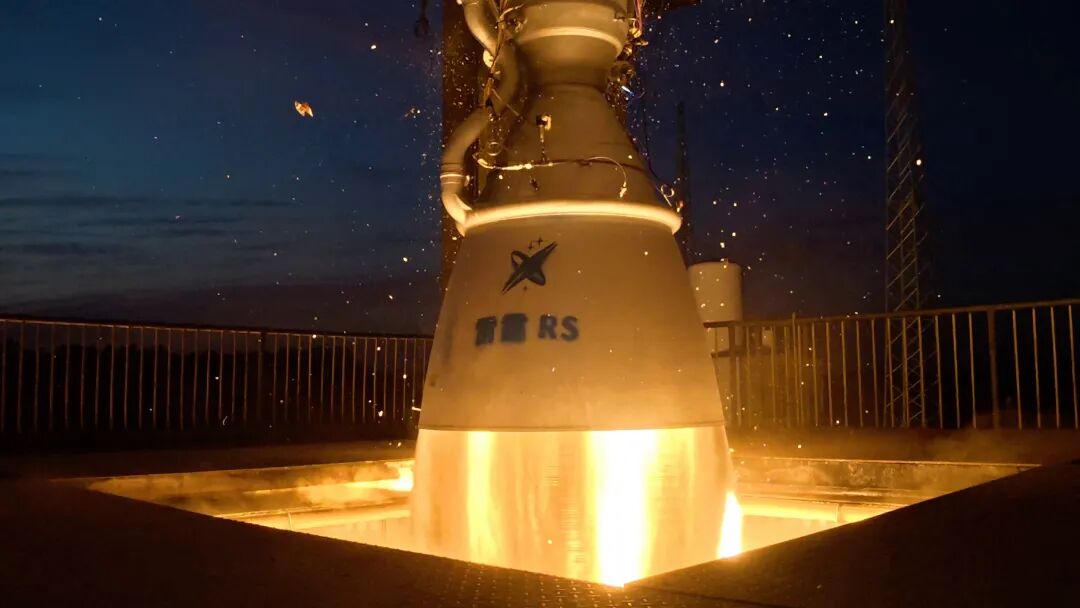
◎ 科技日报记者 付毅飞记者8月21日从深蓝航天获悉,该公司近期成功完成“雷霆-RS”130吨级液氧煤油发动机100秒长程热试车考核。该发动机为“星云二号”大型可回收运载火箭的配套主动力装置。此次试车实测推力达1297.5千牛(约132.3吨),各项参数全面达到设计预期,充分验证了发动机整机系统可靠性与推力室热防护性能,标志着该型发动机已跨过工程化应用的关键里程碑,为后续11机并联、回收复用等验证
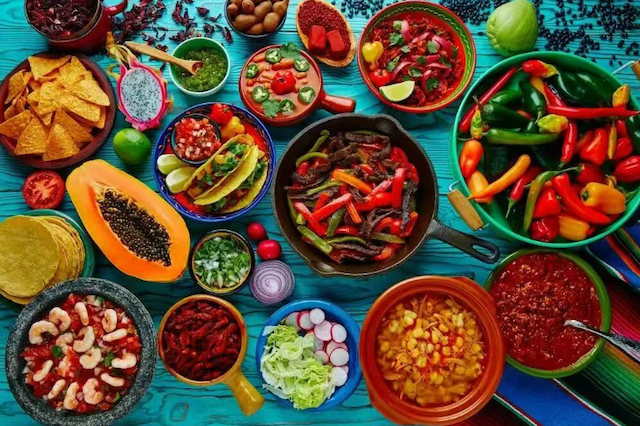
2026年08月21日 11:58:25Z 世代对猎奇风味与体验式饮食的消费需求,带动韩式甜辣、泰式酸辣以及墨西哥烟熏辣等异域辣味在国内快速兴起。区别于本土传统辣味,异域辣味主打甜、酸、辣、香复合,融合发酵、烟熏、果香等多重风味特征,成为当下辣味食品赛道的重要创新方向之一。一、猎奇&尝鲜驱动异域复合辣味热度持续走高综合欧睿国际、红餐产业研究院等公开行业洞察,尽管整体市场规模仍远小于中式辣味赛道,异
8月21日,国务院新闻办公室举行“开局起步‘十五五’”系列主题新闻发布会,介绍发挥积极财政政策作用,推动经济社会高质量发展有关情况。会上,财政部副部长廖岷介绍,扩大内需不是权宜之计,而是战略之举。今年更加积极财政政策的重头戏之一,就是创新设立了财政金融协同促内需的6项政策工具,中央财政专门安排了1000亿元资金,通过财政引导、金融投放、市场运作的传导链条,实现了“1+1>2”的政策效果。廖岷介绍说
AI报告
电话咨询
在线咨询
 五度妙笔
五度妙笔 企业透视镜
企业透视镜 API商城
API商城
 数据库
数据库